







How Does Coffee Beans Processing Shape Beethoven Coffee Flavor?
Beethoven coffee comes from Costa Rica's Tarrazu region, grown at 1980 meters on the highest-altitude estate in the area, and named for the composer who reportedly counted out 60 beans each morning. The Yellow Catuai variety undergoes washed processing to give a clean mouthfeel, rich aroma, and pronounced berry and citrus acidity that drinks like juicy fruit-toned coffee.
Yellow Catuai is a hybrid of Mundo Novo and Caturra, first bred in 1949 by Brazil's Instituto Agronomico de Campinas. After sorting out unripe and overripe cherries, the pulp is stripped and a centrifugal washer removes remaining mucilage to prevent over-fermentation, then the beans are rinsed and dried on shaded raised beds for 12 to 14 days. A recommended pour-over ratio unlocks the fruit notes.
Beethoven is not only famous for his music; it is said that every morning he had to precisely count out 60 coffee beans to brew his coffee, and in Costa Rica's Tarrazu region there happens to be a coffee bean named after him. This coffee uses the Yellow Catuai variety and, after washed processing, displays a clean mouthfeel and rich aroma, with a pronounced berry and citrus acidity on the palate, like a cup of juicy fruit-toned coffee. This article will take you through the origin background, variety source, and processing method of this Beethoven coffee bean, and share Front Street Coffee's recommended pour-over coffee-to-water ratio to help you fully unlock its flavor potential.
Beethoven is revered as the Saint of Music and the King of Symphonies, and this musician who defied the powerful was also a devoted coffee lover. Legend has it that every morning he would count out exactly 60 coffee beans one by one, and only coffee brewed with this number could satisfy him. This coffee bean produced in Costa Rica is identified precisely by Beethoven's name.
Front Street Coffee Costa Rica Beethoven
Coffee region: Tarrazu
Grading standard: (SHB)
Coffee variety: Yellow Catuai
Processing method: Washed processing
Growing altitude: 1980M (the highest-altitude estate in the Tarrazu region)
The flavor is expressed as an overall clean mouthfeel, rich aroma, and a strong berry and citrus acidity on the palate, drinking like a cup of juicy fruit-toned coffee.
[Canet Estate] is located in the highest-altitude area of the Tarrazu region and is also the area with the greatest concentration of fruit cultivation in Costa Rica. The estate mainly grows passion fruit, and its coffee cultivation is very limited, with coffee planted only on one specific plot and given especially meticulous management.
[Yellow Catuai] (Yellow Catuai; Catuai Amarillo) is a hybrid of Mundo Novo and Caturra, originally a variety successfully bred by Brazil's Instituto Agronomico de Campinas in 1949.
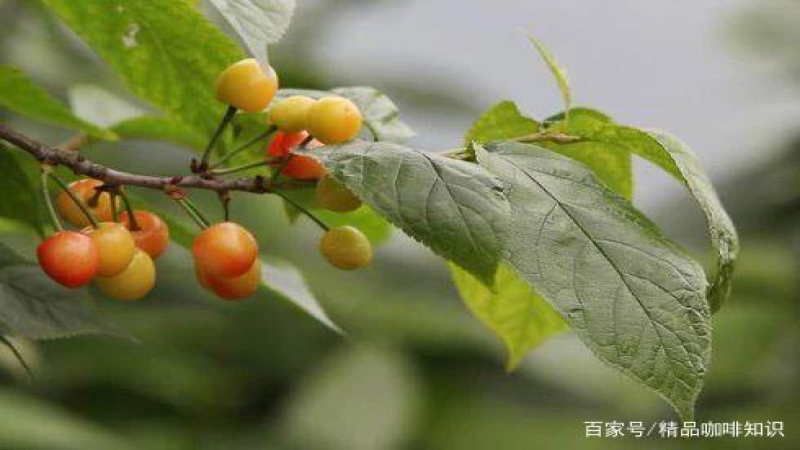
[Washed processing] After picking is completed, the cherries first undergo a sorting step to remove unripe or overripe fruit again, then the pulp is stripped, and a centrifugal washing machine is used to remove the remaining mucilage on the bean surface, thereby avoiding over-fermentation. They are then rinsed clean with water and finally placed on shaded raised drying beds to dry for 12 to 14 days, during which they are continuously turned to ensure even drying. Beans that undergo washed processing usually present a clean and bright mouthfeel.
The above content is compiled by CoffeeHunters, a coffee news website.


