







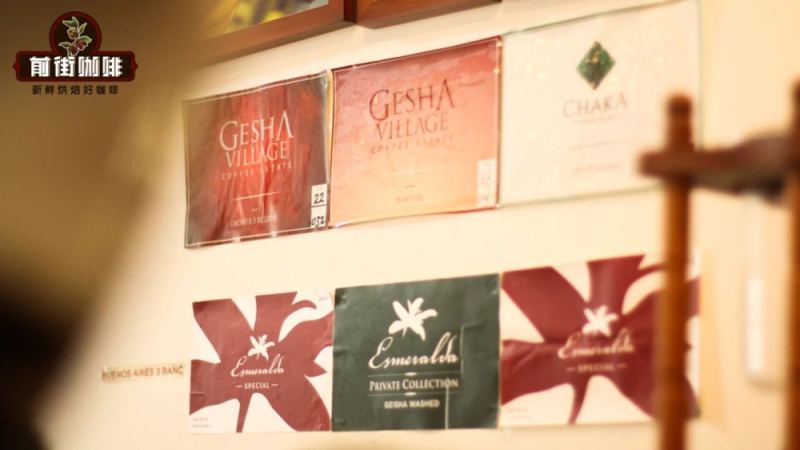
Geisha Coffee Beans from Ethiopian Forest to Panama
Geisha coffee beans originated in the forests of the Geisha Mountains in southwestern Ethiopia. In 1931 a British collector gathered beans there, and in 1932 they were exported to Kenya; the variety then passed through Uganda, Tanzania and Costa Rica, reaching Panama in the 1970s. In 2004, Panama's Hacienda La Esmeralda won the BOP with it.
The name sounds close to the Japanese word for geisha, and around 2006 the variety reached China, where it became known as Geisha. In Panama it was first planted only as windbreaks because yields were so low, before its floral aroma, delicate fruit acidity and tea-like finish brought fame as panama geisha.
Geisha is one of the most dazzling varieties in today's specialty coffee world, but what we usually call Geisha mostly refers to the Geisha from the Panama region. This variety originated in the forests of the Geisha Mountains in Ethiopia, Africa, and passed through Kenya, Uganda, Tanzania, and Costa Rica before finally taking root in Panama. In 2004, Panama's Hacienda La Esmeralda won the BOP green bean competition with Geisha, establishing its legendary status in specialty coffee ever since. Geisha has extremely low yields and is very picky about its growing environment, yet this is precisely what gives rise to its captivating floral aromas, delicate fruit acidity, and tea-like sweet finish. This article will guide you through Geisha's discovery journey and variety characteristics, and recommend Front Street Geisha coffee beans suitable for both entry-level and advanced enthusiasts.
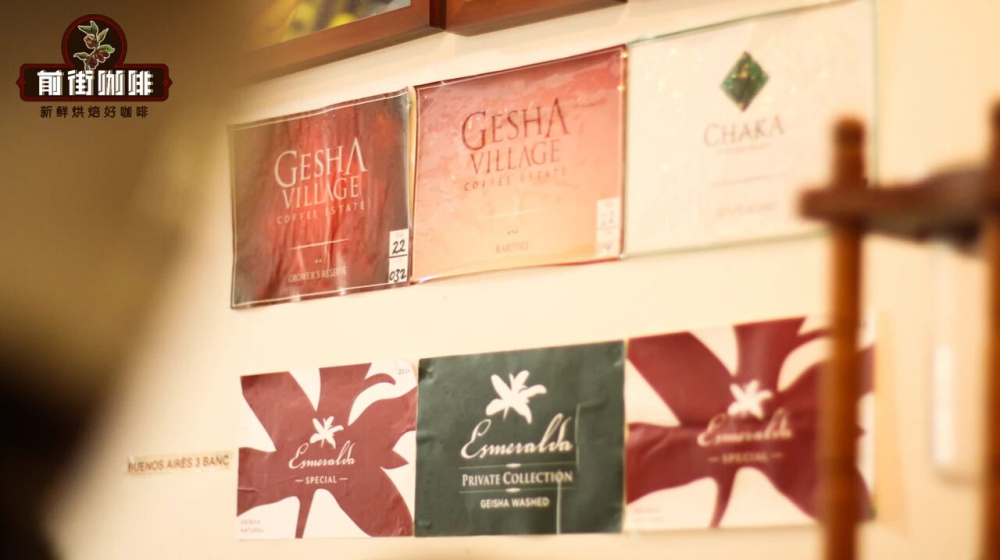
What we usually refer to as Geisha mostly means Panama Geisha. Although coffee originated in Africa, Geisha rose to fame in the coffee world mainly for two reasons: first, in 2001, Panama's Hacienda La Esmeralda discovered its unique flavor; second, starting from 2004, it won the Panama Coffee Green Bean Competition (BOP) championship for multiple consecutive years.
The pronunciation of Geisha is very close to "geisha" in Japanese. Around 2006, Mr. Yuan of Coffee Rum first introduced Panama Geisha to China. Its explosive flavors of flowers and fruits were stunning, so Mr. Yuan named this variety "瑰夏" in Chinese, and the name has been used ever since. Therefore, many people also habitually call Geisha coffee beans "geisha coffee beans."
Front Street Geisha coffee beans originate from the Kaffa forests of the Geisha Mountains in Ethiopia. In 1931, a British man collected coffee beans in the forests around the Geisha Mountains in southwestern Ethiopia, and in 1932 these beans were exported to Kenya. In 1936, Geisha was introduced to Uganda and Tanzania; in 1953 it reached Costa Rica; and in Panama, it was in the 1970s that Mr. Francisco Serracin of Don Pachi Estate introduced the Geisha variety from CATIE in Costa Rica.
When Geisha was first introduced to Panama, because its yield was too low, people were unwilling to spend effort cultivating it, so it was planted in windbreaks as wind-blocking trees to protect other coffee trees. It wasn't until 2003 that the son of Panama's Hacienda La Esmeralda owner faintly smelled a captivating floral aroma among a pile of processed coffee beans, and followed the scent to find this batch of coffee beans from the windbreak. After verification confirmed it was the Geisha variety, in 2004 the estate separated it out and sent it to compete in the BOP green bean competition, where it won first place. Geisha coffee became famous overnight, also establishing Hacienda La Esmeralda's position in the specialty coffee world.
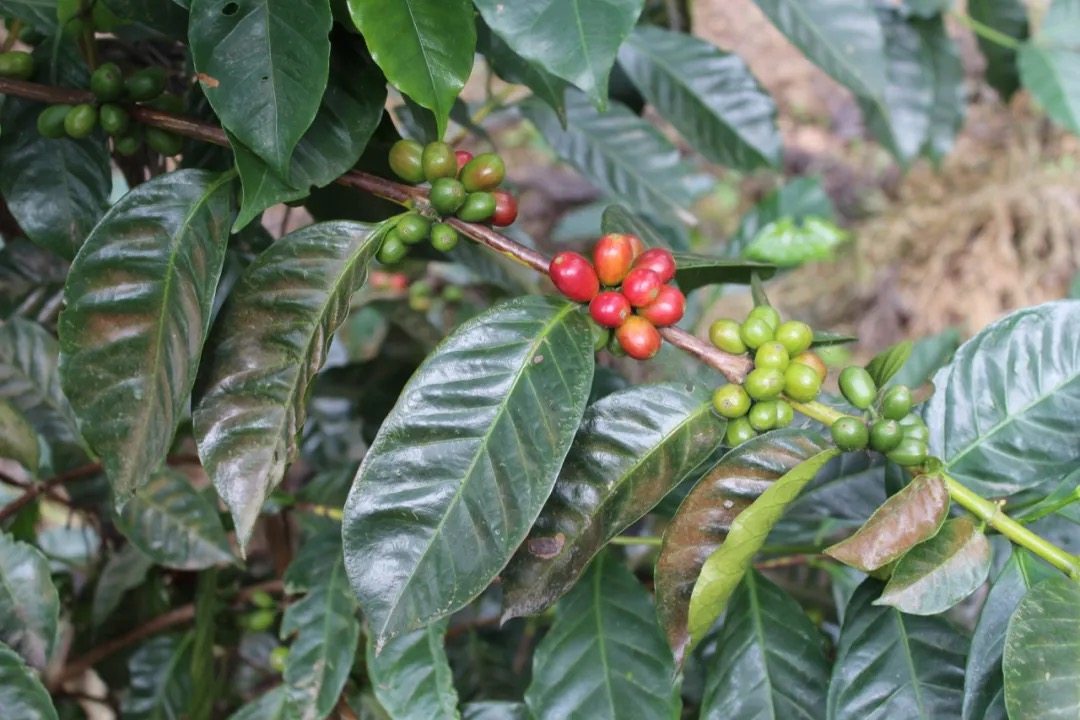
Compared with other coffee varieties, Geisha's biggest characteristic is its extremely low yield. Its tree form shows long internodes between branches, few flowers, and few fruits. Geisha coffee beans are slender in shape, pointed at both ends, and plump and full in the middle.
Geisha is very "picky" about its growing environment, requiring cultivation in areas with high altitude, cloud cover or abundant shade trees, and fertile soil in order to display its rich and captivating floral aromas, delicate and elegant fruit acidity, and tea-like sweet finish.
For a first taste, you can buy Front Street Boquete Geisha. This is an entry-level premium Panama coffee from a high-altitude growing region, cultivated with the same Geisha variety as major renowned estates, possessing a wonderful orange-blossom honey charm, with a clear and serene mouthfeel—it doesn't taste like coffee at all, but more like a cup of fruit tea.
If you are an advanced enthusiast, you can buy the high-value Front Street Esmeralda Green Label Geisha; if you are giving it to friends and family or sharing with connoisseurs, you can choose the highest-grade Front Street Esmeralda Red Label Geisha, where you can taste the rich aromas brought by the estate's meticulous management.
The above content is compiled by CoffeeHunters, a coffee news website.


