







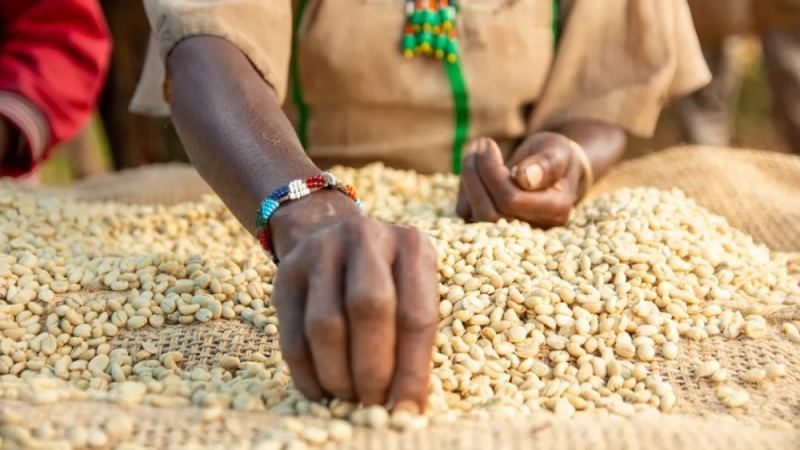
What makes Yirgacheffe coffee taste so bright?
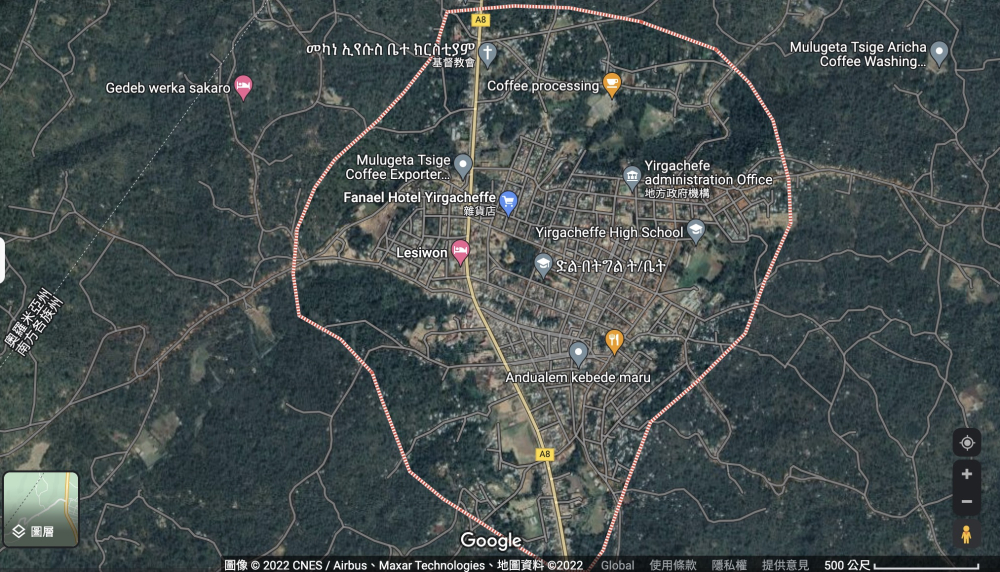
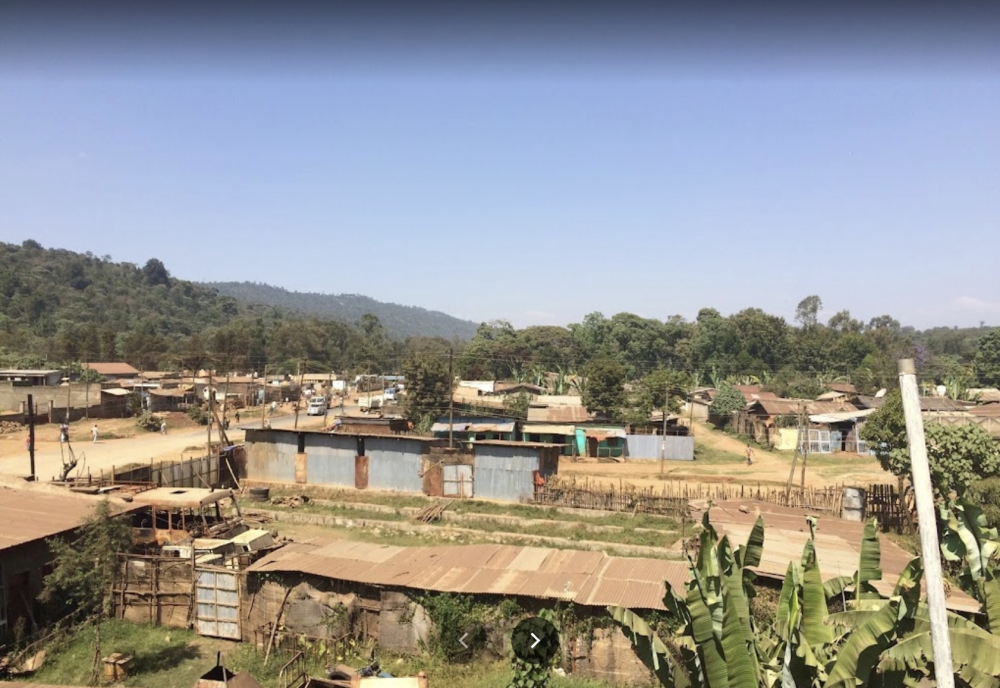
Yirgacheffe is a town in Ethiopia that was once part of Sidamo Province and now falls under the Gedeo Zone. Beans from the area are known for citrus acidity, white floral aroma, honey-like sweetness, and a tea-like finish. The Gotiti Cooperative, a well-known washing station there, produces washed coffee that many drinkers seek out for hot and iced pour-over.
Three factors explain the flavor: high-altitude growing conditions, naturally mixed local varieties, and traditional coffee bean processing. Ethiopia redrew its administrative regions in 1995, but the Yirgacheffe name kept its market value because traders singled out beans with those distinctive floral and lemon notes. Washed and natural lots differ in clarity and fruit intensity, which changes how the coffee performs over ice.
Yirgacheffe is one of Ethiopia's most iconic coffee regions, known for its bright citrus acidity and elegant floral aromas. And the Gotiti Cooperative, as one of the better-known cooperatives in the Yirgacheffe area, has washed-process coffee beans that are deeply favored by coffee lovers. This article will walk you through the regional background and grading methods of Yirgacheffe, help you understand the difference between washed and natural processing methods, and share in detail the complete brewing parameters and flavor performance of Front Street Coffee's Gotiti Cooperative coffee beans in both hot pour-over and iced pour-over scenarios, so you can consistently reproduce a cup of juice-like iced coffee at home.
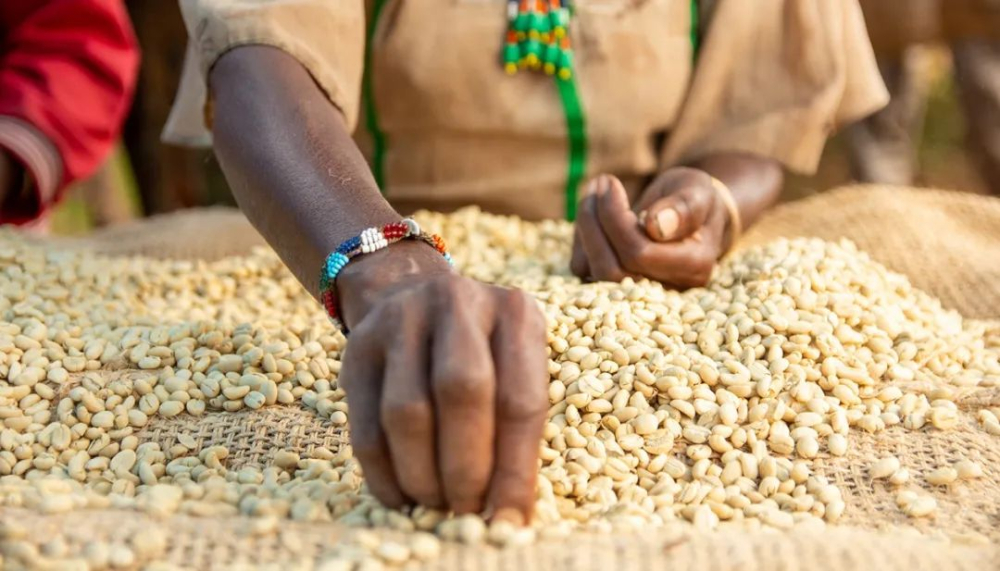
Yirgacheffe was originally just a small town under the jurisdiction of Ethiopia's Sidamo Province, but the coffee beans produced there, with their refreshing flavor profile and bright, lively acidity, won the favor of a large number of coffee enthusiasts and gradually developed into one of the most high-profile regions in the global coffee industry.
In the past, most people's understanding of coffee flavor stayed at richness and bitterness, and the arrival of Yirgacheffe coffee beans broke many people's preconceptions about coffee flavor. That distinct citrus acidity, delicate floral aroma, honey-like sweet finish, and the tea-like sweetness that lingers after swallowing conquered many consumers who grew up in China's tea-drinking culture.
The reason Yirgacheffe coffee beans can perform so outstandingly, according to Front Street Coffee, is mainly attributable to three aspects: the high-altitude growing environment, naturally mixed coffee varieties, and purely traditional coffee processing methods.
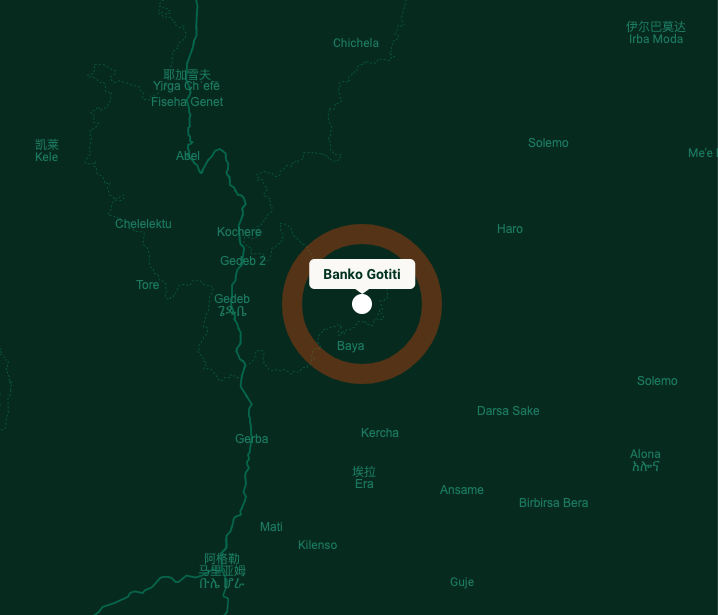
As Front Street mentioned earlier, Yirgacheffe was originally part of Ethiopia's Sidamo Province (sidamo) and was a small town. But in 1995, Ethiopia carried out administrative division adjustments, Sidamo no longer existed as an independent administrative region, and Yirgacheffe was accordingly placed under the jurisdiction of the Gedeo Zone (GEDEO).
Afterward, coffee traders discovered that the beans produced in the Yirgacheffe area carried very unique white floral and lemon-citrus aromas and were extremely popular in the consumer market. So many people would deliberately single out coffee beans from the Yirgacheffe region during export in order to sell them at a higher price.
By 2009, the Ethiopian Commodity Exchange implemented a certification system in several specific production areas (Wenago, Yigacheffe, Kochere, Gelena~Abaya), classifying them into those with classic Yirgacheffe flavor (Yigacheffe A) and those without classic Yirgacheffe flavor (Yigacheffe B). In other words, the Yirgacheffe you drink in a cafe today may not actually come from the place called "Yirgacheffe," but it can still be labeled with the name Yirgacheffe, similar to how Yonghe soy milk does not necessarily come from Yonghe.
Most of the Yirgacheffe we can encounter today refers to a production area or regional concept. In the Yirgacheffe area, there are many cooperatives dedicated to centralized coffee bean processing, such as Kochere, Worka, Gotiti, Chelelektu, Misty Valley, Konga, and others, all of which are relatively well-known and frequently mentioned.
When trading these beans, green bean merchants generally label them with Yirgacheffe plus the cooperative name to indicate which village and cooperative in Yirgacheffe this batch of beans comes from. Ethiopian coffee naming is mostly related to place names, but not all categories are divided by place name. For example, the Sidamo Huakui 8.0 on Front Street's bean list is a nice-sounding name given by a domestic green bean trader to highlight its selling point.
Ethiopia is the birthplace of all coffee varieties, so to this day there are still large numbers of wild or native coffee varieties in the region that have not yet been discovered and certified. Because the number of varieties is huge and their composition is complex, most Ethiopian farmers do not subdivide the coffee trees they grow by variety, but plant and harvest them as a mix. These coffee varieties are collectively called Heiroom (heirloom).
Because the varieties differ, the size of the coffee fruit also varies. Front Street Coffee (FrontStreet Coffee) has observed in practice that coffee beans from the Ethiopian region often appear in uneven sizes. This is a normal phenomenon and also a notable characteristic of coffee beans from this region.
In Ethiopia, limited by the regional climate and conditions, people usually adopt the most traditional processing methods when obtaining coffee beans: washed and natural.
The reason Yirgacheffe can possess such a distinct style, aside from its innate terroir, is to a large extent thanks to the washed processing technology introduced by the Ethiopian government in 1972 from Central and South America. Farms using the washed method must build washing tanks and be able to continuously introduce fresh water, so production costs are relatively higher. During processing, the fermented beans are placed in the tank, and by pushing them back and forth, using the friction between the beans and the force of flowing water, the coffee beans are washed until smooth and clean. Every step removes impurities and defective beans, so the quality of the green beans is more uniform, and the final trading price is also higher than that of coffee processed by the natural drying method.
The processing flow for washed coffee beans is: after the coffee fruit is harvested, remove bad fruit first, then remove the pulp and mucilage, then place the beans in a clean water tank to ferment and break down the pectin, then wash them with clean water and sun-dry them. Through cupping by Front Street Coffee (FrontStreet Coffee), it has been found that coffee beans processed by the washed method have very clean and bright acidity and flavor, and can also very intuitively let people feel the quality level of the coffee beans.
For natural coffee beans, after the coffee fruit is harvested, bad fruit is first removed, and then the fruit is directly sun-dried until it reaches a suitable moisture content before being bagged and packed. Through cupping by Front Street Coffee (FrontStreet Coffee), it has been found that coffee beans processed by the natural method have a very full sweet-and-sour sensation, along with a soft fermented aroma.
In the Yirgacheffe area, because water resources are very abundant, most coffee beans from this production area are processed by the washed method. Among them, the most representative is none other than the "Medium-Light Roast - Yirgacheffe Gotiti Cooperative Coffee Beans" sold by Front Street Coffee (FrontStreet Coffee).
Front Street Coffee (FrontStreet Coffee) - Yirgacheffe Gotiti Cooperative Coffee Beans Region: Yirgacheffe Gedeo Zone production area Producer: Gotiti Cooperative Altitude: 1900-2300m Variety: local native species (Heirloom) Processing method: washed processing
Yirgacheffe coffee beans are grown at high altitudes, and the beans are relatively hard, so medium-light roasting will not cause too much change to the structure of the coffee beans themselves. Therefore, for coffee beans like Yirgacheffe that present floral and fruity notes at high altitude, Front Street uses a water temperature of 90-91 degrees Celsius and a grind size like fine granulated sugar (80% passing through the Chinese No. 20 standard sieve).
Three-stage extraction: In the first stage, use 30g of water to bloom for 30 seconds; in the second stage, pour 95g of hot water; when the coffee bed drops halfway, begin pouring the third stage of 100g until all the coffee has dripped through. Be careful to start pouring from the center point and maintain a small stream and gentle force in circles throughout to avoid uneven extraction.
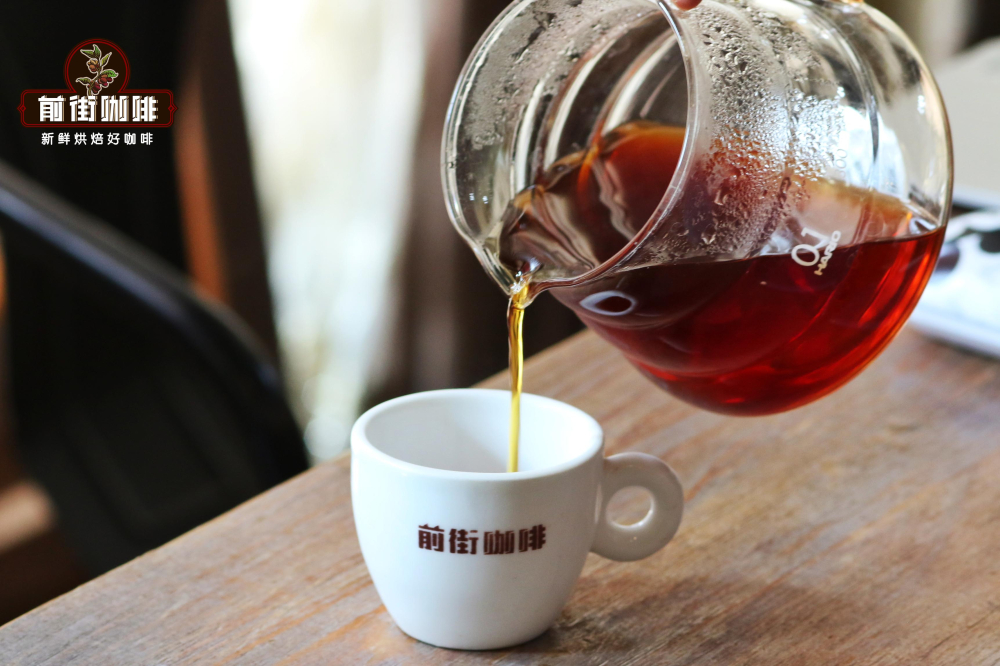
Flavor performance of Gotiti pour-over coffee: after grinding, it has elegant jasmine and citrus-like acidity. After extraction is complete, the coffee has a clear, bright lemon acidity on the palate, with prominent sugarcane sweetness. As the temperature drops, it presents a green tea-like mouthfeel, with a lasting finish.
Sharing the parameters for iced pour-over coffee
Regarding what parameters to use for iced pour-over, Front Street once mentioned a formula in an article: iced pour-over = coffee powder (fine grind) + 10 times hot water + 5 times ice. Here, combined with fruit-acid-type medium-light roasted coffee beans, we pair it with a water temperature of 91-93°C, a small stream poured in circles, and a three-stage method, so that the extraction time falls between 1 minute 50 seconds and 2 minutes, and you can easily brew a pot of iced coffee with excellent flavor.
The juicy sensation in coffee usually comes from the rich fruity aroma you smell combined with the sweet-and-sour, juicy feeling the mouth perceives when drinking, reminding people of the experience of eating a certain fruit. When placed into today's iced pour-over theme, it means we need to obtain both the acidic aromatic substances of the early stage and pursue the sweetness of the middle and later stages in order to satisfy a sweet-and-sour juicy mouthfeel. And such a requirement cannot be met by water flow agitation alone, so Front Street also added one action: stirring.
Coffee beans: Ethiopia·washed Gotiti Cooperative
Dose: 15 grams
Coffee-to-water ratio: 1:11 (160 grams hot water)
Ice: 75 grams
Grind size: EK43s setting 9.5 (C40 roughly around 22 clicks)
Dripper: Hario V60
Three-stage: 30 grams, 90 grams (+ stirring), 45 grams
Before pouring, still put the ice in the server first, then add all the coffee powder. The first bloom stage remains unchanged; keep a small stream and pour 30 grams in circles from the center outward.
After 30 seconds, begin pouring 90 grams of hot water in circles with a larger stream while raising the water level. When the scale shows 120 grams, stop pouring, use a small spoon to draw 5 circles along the wall of the dripper in one direction, then wait for the coffee liquid to slowly flow down.
When the water in the dripper is about to reach the bottom, use the same small-stream, small-circle pouring technique as in the first stage to pour the remaining 45 grams of hot water until all the coffee liquid has dripped through. Then you can remove the dripper and finish extraction. The time will roughly fall within the range of 1 minute 55 seconds to 2 minutes 5 seconds.
The washed Gotiti brewed this way first gives a mouth-watering sweet-and-sour sensation like yellow peach, sweet orange, and pomelo on the palate, with an overall tendency toward yellow stone fruit notes. Because of the added stirring action, besides rich fruit acidity, the coffee also carries a clear, moist sweetness, and under the cooling of the ice, it is just like drinking a cup of refreshing fruit tea.
The above content is compiled by CoffeeHunters, a coffee news website.


