







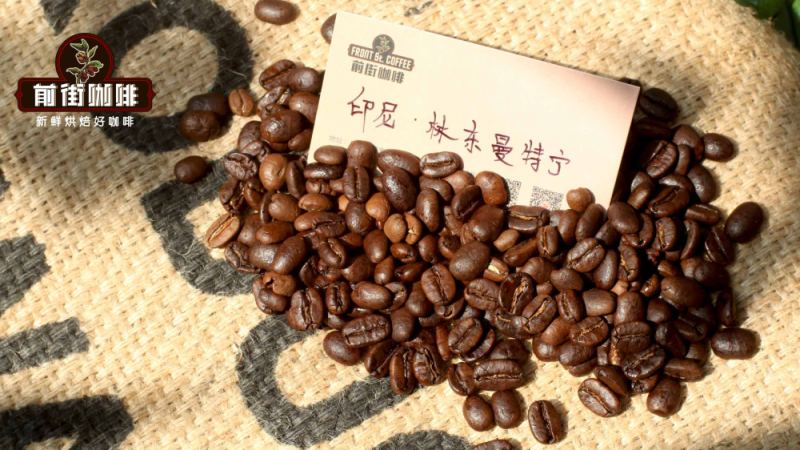
What Is an Arabica Bean and How Does Mandheling Fit In?
Mandheling is a representative coffee of Sumatra, Indonesia, and its name comes from a mispronunciation of the local Mandailing ethnic group rather than a place or variety. It is grown at 750 to 1,500 meters and belongs to Indonesia's scarce Arabica coffee beans, known for rich aroma, full body, and low acidity. It works as a single-origin or as a blend base.
Two common types are PWN Golden Mandheling, which undergoes multiple rounds of hand-sorting, and Lintong Mandheling, an entry-level everyday bean. Both are wet-hulled. Brewing parameters and a staged extraction method help bring out their character, and adding fresh milk can soften bitterness for drinkers who find the high body and herbal notes too strong. Golden Mandheling coffee is the higher-graded option of the two.
Mandheling coffee is a representative coffee of Sumatra, Indonesia. Its name originates from a mispronunciation of the local Mandailing ethnic group, and behind it lies an interesting story of Japanese soldiers bringing coffee beans back home. Mandheling is known for its rich aroma, full body, and low acidity, making it suitable for drinking as a single-origin coffee or as a base bean for blends. Front Street Coffee has introduced many types of Mandheling, among which PWN Golden Mandheling and Lintong Mandheling are the most representative. The former undergoes multiple rounds of hand-sorting and offers outstanding quality, while the latter is an entry-level everyday bean. This article will introduce the flavor and variety characteristics of these two wet-hulled Mandheling coffees respectively, and provide Front Street Coffee's brewing parameters and staged extraction method. Finally, it will also answer whether Mandheling can be paired with milk—for those who are not used to high body and herbal flavors, adding an appropriate amount of fresh milk can soften the bitterness and make the taste more acceptable.
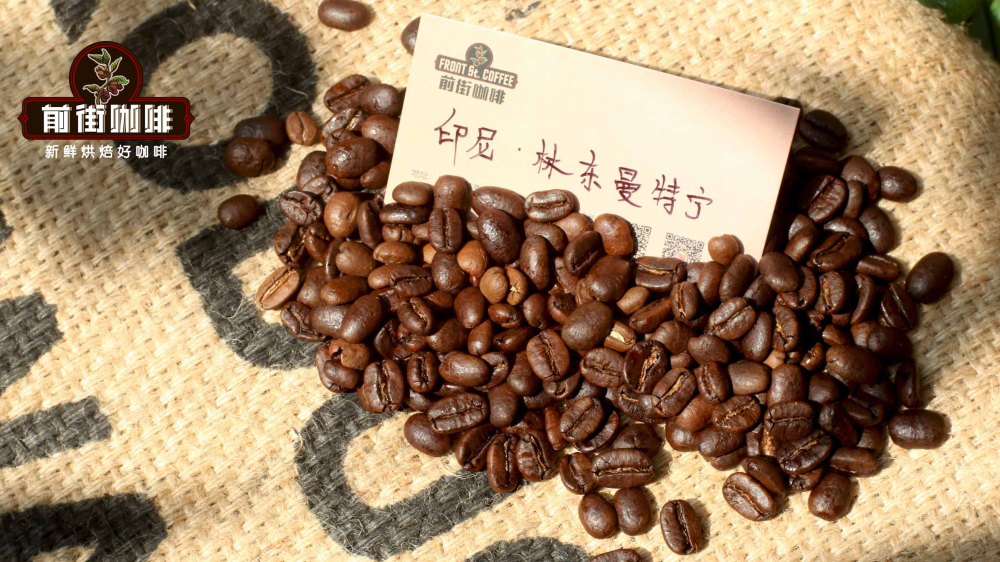
People who frequently drink specialty coffee may have noticed that coffee beans are mostly named after their producing region, place name, or variety, but Mandheling coffee beans are an exception. Its name is neither a place of origin nor a variety, but a mispronunciation of the Indonesian Mandailing ethnic group.
This story dates back to Japanese soldiers returning to Japan after the colonial period in Indonesia. They could not forget the deliciousness of the local coffee, so through trade partner connections, they asked locals to help collect high-quality coffee beans, including this Mandheling. The Japanese liked this coffee very much and asked for its name. Because the commercial source could not be disclosed, the locals casually said "Mandheling." Later, the Japanese asked an Indonesian coffee trader to ship 15 tons to Japan, and unexpectedly it became very popular there. The name Mandheling thus spread.
Flavor Characteristics of Mandheling Coffee
As Front Street Coffee mentioned above, Mandheling coffee beans are produced on the island of Sumatra in Indonesia, so they are also called "Sumatra coffee." Mandheling is grown in highland mountains at an altitude of 750-1500 meters and belongs to Indonesia's scarce Arabica coffee beans. Among them, the first-grade Mandheling produced in Takengon and Sidikalang is the best in quality. Sumatra's mysterious and unique natural environment gives Mandheling a rich aroma, full body, and intense flavor, with slight chocolate and syrup notes.
In addition, because Mandheling coffee beans themselves have very low acidity, even if kept warm for a long time or made into iced coffee, they will not develop an unpleasant sourness or astringency. After roasting, the coffee beans are relatively large, and the green beans are brown or dark green, with a special caramel-like aroma and a mellow, rich taste. Most coffee lovers prefer to drink it as a single origin, but it is also an indispensable variety when making coffee blends.
Over the years, Front Street has introduced many kinds of Mandheling coffee beans, among which 2 have the most representative flavors. Next, Front Street Coffee will introduce the characteristics of the following 2 wet-hulled Mandheling coffee beans in terms of flavor and variety respectively!
Front Street PWN Golden Mandheling Coffee Beans
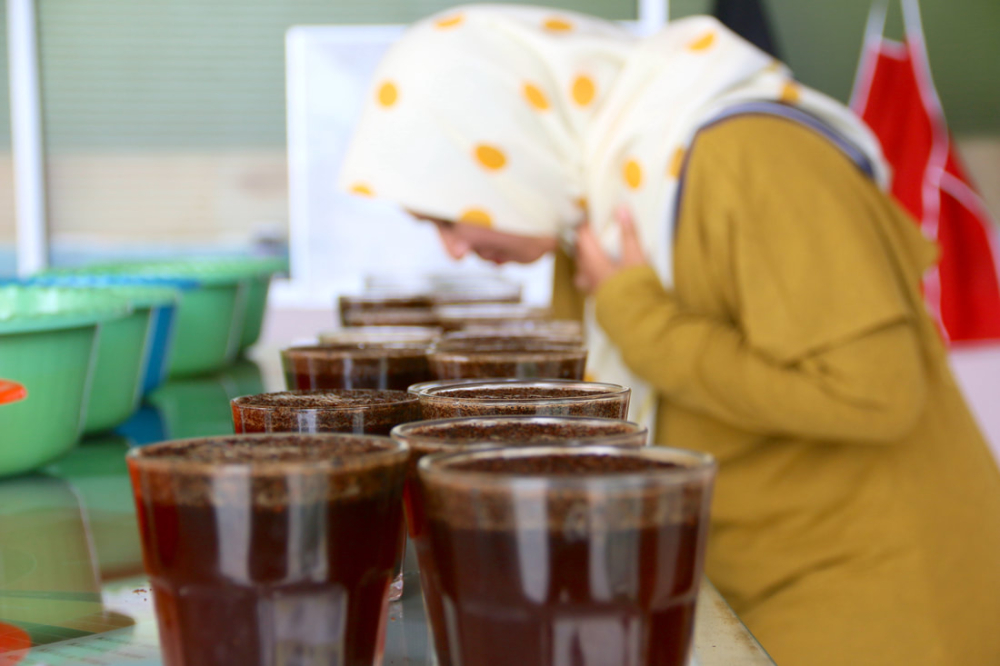
Country: Indonesia Region: Sumatra, Aceh, Gayo Mountain Altitude: 1100-1600m Variety: Ateng Processing Method: Wet-hulled Flavor: Baked toast, nuts, pine, caramel, herbs
When talking about "Golden Mandheling," we have to start with PWN. This abbreviation is often mixed together with the name Mandheling coffee. It is actually the abbreviation of a company—Pwani Coffee Company.
This company is a very famous local coffee purchaser in Indonesia, mainly purchasing Mandheling coffee. It has acquired coffee from almost all of Indonesia's best producing regions, so most of the beans from PWN are unique specialty products. Golden Mandheling is a product produced by this company. After the green beans are purchased, they undergo multiple rounds of manual hand-sorting to select plump, defect-free beans. In the end, only these good beans, having gone through layer after layer of selection like a talent contest, can be classified as Golden Mandheling.
However, PWN has trademarked Golden Mandheling, which means that from now on only Golden Mandheling produced by PWN can be considered true Golden Mandheling. Many beans on the market that are not produced by PWN but bear the Golden Mandheling name should actually be called specialty Mandheling. So Golden Mandheling is merely a product named by the company.
Front Street Coffee Indonesian Lintong Mandheling Coffee Beans
Country: Indonesia Region: Sumatra (Lintong) Altitude: 1100-1600m Variety: Typica, Caturra Processing Method: Wet-hulled Flavor: Baked toast, nuts, caramel, pine, herbs
Lintong Mandheling is produced in the Lintong mountain area in north-central Sumatra, near Lake Toba. Front Street's entry-level everyday bean from Indonesia's Mandheling producing region comes from here. Lintong Mandheling also uses the unique wet-hulled method, creating its characteristics of low acidity and high body.
Front Street Mandheling brewing parameters: Kono dripper, 1:15 coffee-to-water ratio, 15g coffee dose, 88°C water temperature, grind size (70-75% passing through a No. 20 standard sieve).
Brewing method: staged extraction.
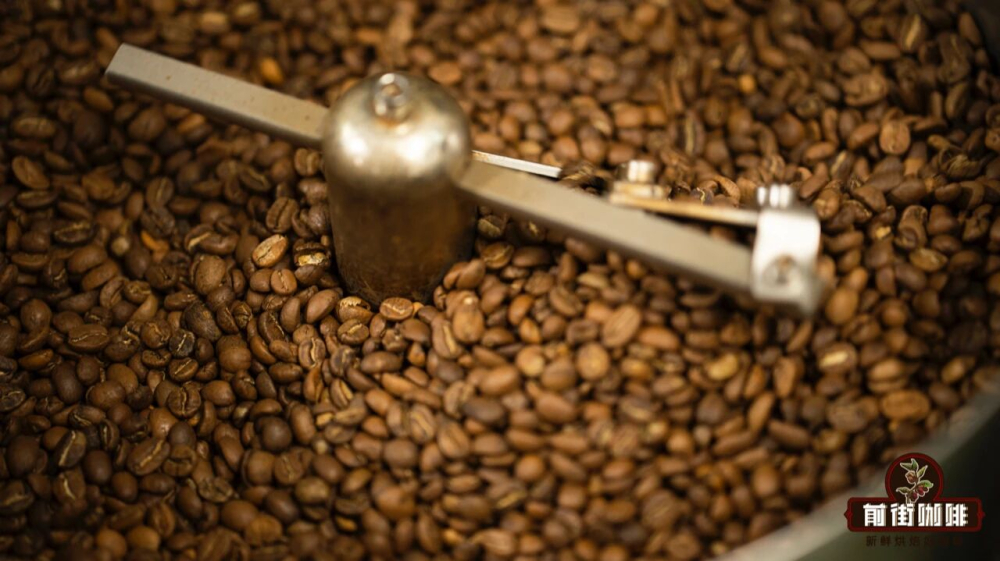
Use 30g of water for a 30-second bloom. Pour in a small stream in circles until 125g, then pause for a stage. When the water level is about to expose the coffee bed, continue pouring until 225g and stop. When the water level is about to expose the coffee bed again, remove the dripper. (Start timing from the beginning of the bloom.) The V60 dripper extraction time is 2'00"; the Kono dripper takes slightly longer, at 2'10".
The brewed wet-hulled Mandheling enters the mouth with herbal, medicinal plant notes, dark chocolate, caramel, a sweet finish, high body, and weak acidity. For friends who usually like drinking lattes, it may not be easy to accept, so an appropriate amount of fresh milk can be added to soften the coffee's bitterness and sharpness.
The above content is compiled by CoffeeHunters, a coffee news website.


