







Which beans suit pour-over coffee, and where does geisha coffee fit?
Pour-over suits a wide range of beans, and beginners can start with a medium roast before moving to brighter lots. The method controls water temperature and flow more precisely than machine brewing, so it restores each bean's original flavor and adjusts to personal taste. The guide covers bean choice, basic equipment, and a three-stage extraction.
Emerald Red Label geisha coffee beans are used as the worked example of flavor performance, since geisha lots typically show floral and fruit notes when brewed carefully. Water temperature, grind, and pour timing are matched to the bean, much like brewing Gongfu tea. The process is also calm and social, which helps explain the growing interest in pour-over.
Brewing a pot of aromatic coffee for yourself and your family in the early morning not only refreshes the mind but also injects a beautiful start into the day. Pour-over coffee is similar in principle to brewing Gongfu tea—different bean varieties require matching water temperatures, equipment, and times. Compared with machine brewing, pour-over techniques allow more precise control of water temperature and flow, restoring the original flavors of the coffee beans, and can be flexibly adjusted according to personal taste preferences. The brewing process itself is also a form of practice, allowing one to become calm and focused, and it is also convenient for entertaining guests and making friends. This article will outline the key points for pour-over beginners: which coffee beans are suitable for pour-over, what basic equipment is needed, the specific operation of three-stage extraction, and the flavor performance of Emerald Red Label Geisha, helping you brew a good cup of coffee that belongs to you.
The ancients said it well: a good state of the day starts in the morning. Making a hearty breakfast for family and yourself in the morning, and then brewing a pot of aromatic coffee, is not only good for body and mind and refreshing, but also gives the whole day a beautiful beginning. The techniques of pour-over coffee are similar in principle to brewing Gongfu tea; different types of tea leaves have their own requirements for water temperature, vessels, and steeping time; to drink an excellent cup of coffee, the same rule applies.
Compared with machine brewing, using the pour-over extraction method allows more free control of water temperature and flow, restoring the flavor of each coffee bean as much as possible, while also adjusting the brewing method according to your own taste preferences. In the process of brewing coffee, one gradually learns to appreciate coffee and becomes calm and focused; moreover, coffee is a great helper for entertaining guests, easily opening up conversation and thus making more friends. This is precisely why pour-over coffee has become increasingly popular in recent years.
Making pour-over coffee is not complicated. If you are new to pour-over, follow the steps below to brew a cup of coffee with your own personal style.
Which coffee beans are suitable for pour-over?
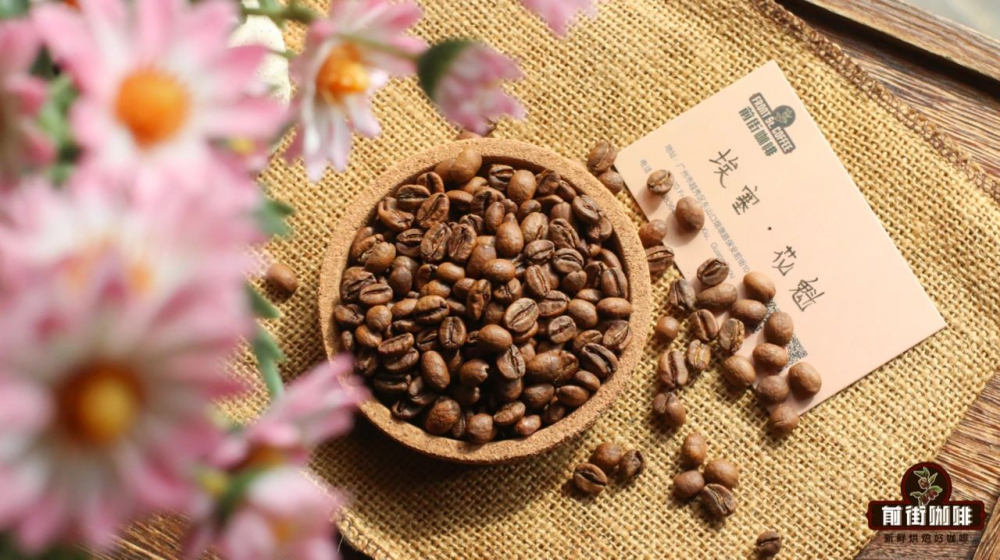
The types of coffee beans suitable for pour-over are quite rich. Here Front Street lists a few beans that most people will like for your reference: friends who prefer floral notes can try Front Street Panama Emerald Estate Red Label Geisha coffee, which is one of the highest-priced coffees in the world; if you like a refreshing and slightly acidic taste, Front Street Flower Queen coffee is a good choice, with black tea and berry flavors;
If you pursue a balanced taste, that is, neither acidity nor bitterness is prominent, Front Street Brazil Red Bourbon coffee is worth trying; as for drinkers who prefer a solid and mellow flavor, it is recommended to get the highest-grade Front Street Golden Mandheling coffee. This bean has undergone multiple manual selections, and the defect rate has been pressed very low, so the aroma is clearer and the sweet aftertaste is more outstanding. The above coffee beans can be ordered from Front Street stores and the Front Street Tmall flagship store. In order to let everyone experience the complete tasting period of the beans, all coffee beans sent by Front Street are guaranteed to be roasted within 5 days.
Preparation of basic brewing equipment
There are many optional pieces of equipment for pour-over coffee, but if you are just starting out, at the beginning you only need the most basic few, and later you can gradually add more according to your preferences.
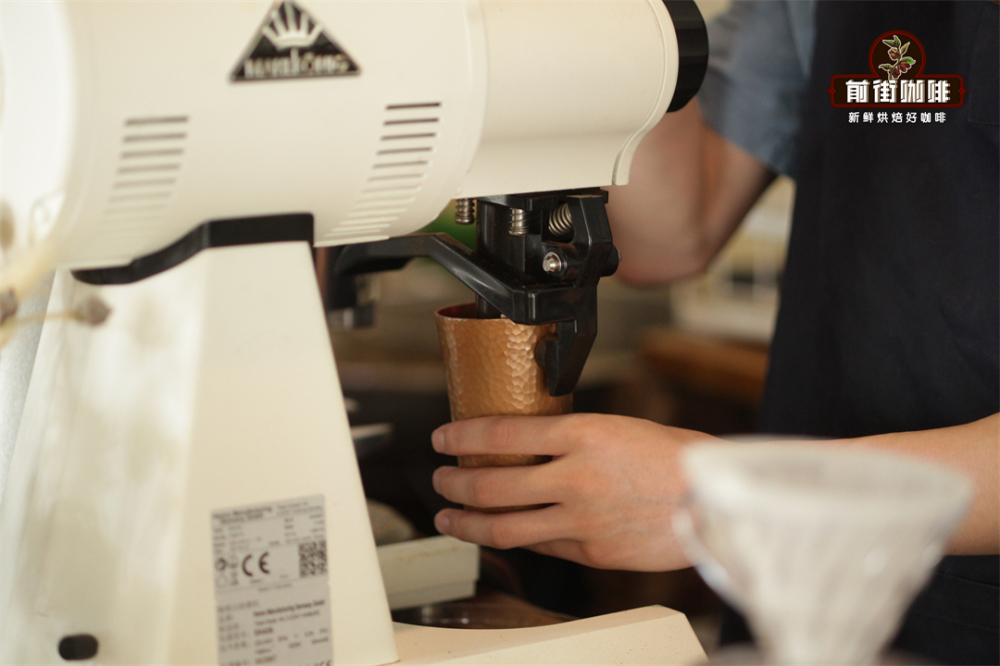
Grinder: It is recommended to buy a high-quality "burr grinder." A high price does not necessarily mean good grinding quality, but choosing a machine with more ideal grinding uniformity makes it more likely to achieve even extraction and accurately present the flavor.
Digital scale: Similar to roasting, if you want to brew precisely and reproduce a certain flavor, you must grasp the correct extraction yield, so a digital scale is indispensable. It is best to choose a digital scale with a sensitivity of 0.1 grams, making it convenient for you to precisely control each brewing process.
Pour-over kettle: Beginners are recommended to use a narrow-spout kettle, because it can flexibly adjust the water flow speed and amount, and even affect the state of the coffee grounds tumbling during brewing.
Dripper: The pour-over drippers on the market vary in shape, size, number of outlet holes, and material, and each coffee enthusiast has their own preference. Overall, as long as you master the principles and key points of pour-over extraction, any style will do.
Filter material: The material placed in the dripper for filtration is roughly divided into three types: cloth, paper, and metal. Beginners are advised to first use the most common filter paper. It can be thrown away with the coffee grounds after use, which is convenient and hassle-free, and it is recognized as leaving the least sediment in the coffee while also filtering out coffee oils.
Extraction method for pour-over coffee
Preparation in advance: Boil a pot of water
Prepare a bag of freshly roasted Front Street Panama Emerald Red Label Geisha coffee beans
Weigh 15 grams of coffee beans and grind them (fine granulated sugar coarseness, 80% passing through a No. 20 sieve)
Recommended coffee-to-water ratio: (1:15 or 1:16) Rinsing the filter paper:
First place the dripper on a mug or kettle, put the filter paper into the dripper, and rinse the filter paper with hot water. This can reduce some of the papery taste of the filter paper mixing into the coffee and also preheat the brewing equipment. Then pour out the water inside.
Front Street uses three-stage brewing:
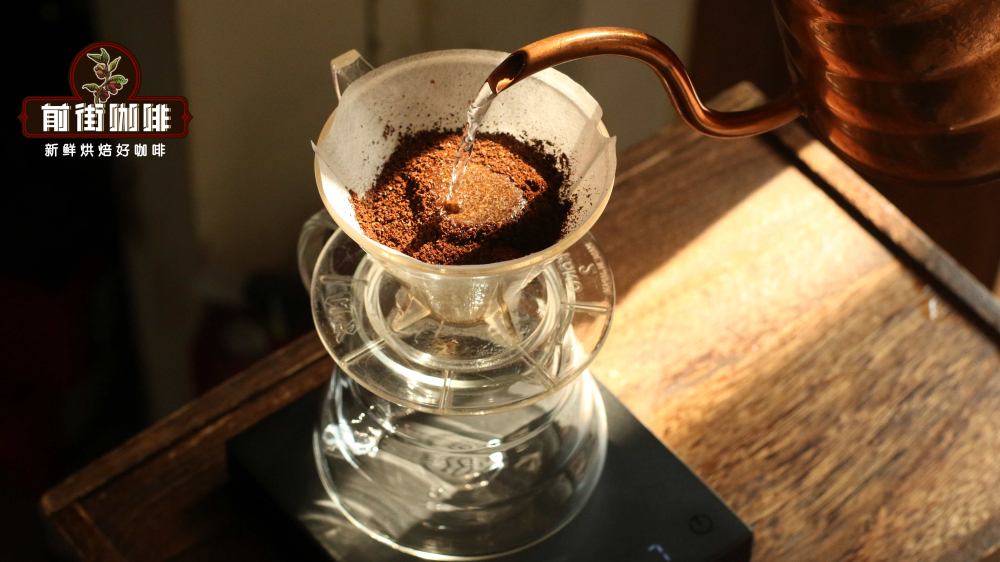
First pour 15 grams of coffee grounds into the dripper and tare the weight to zero. For the first stage, pour 30 grams of water for blooming, bloom for 30 seconds, and start timing at the same time. Throughout, pour with a thin stream from the center point and spiral outward, paying attention to wetting the entire coffee bed.
For the second stage, switch to a slightly larger stream and pour 120 grams of water, with the intention of raising the entire coffee bed. The water column should be poured vertically and evenly. At this point the timing scale shows 150 grams, and pouring is completed at around 55 seconds.
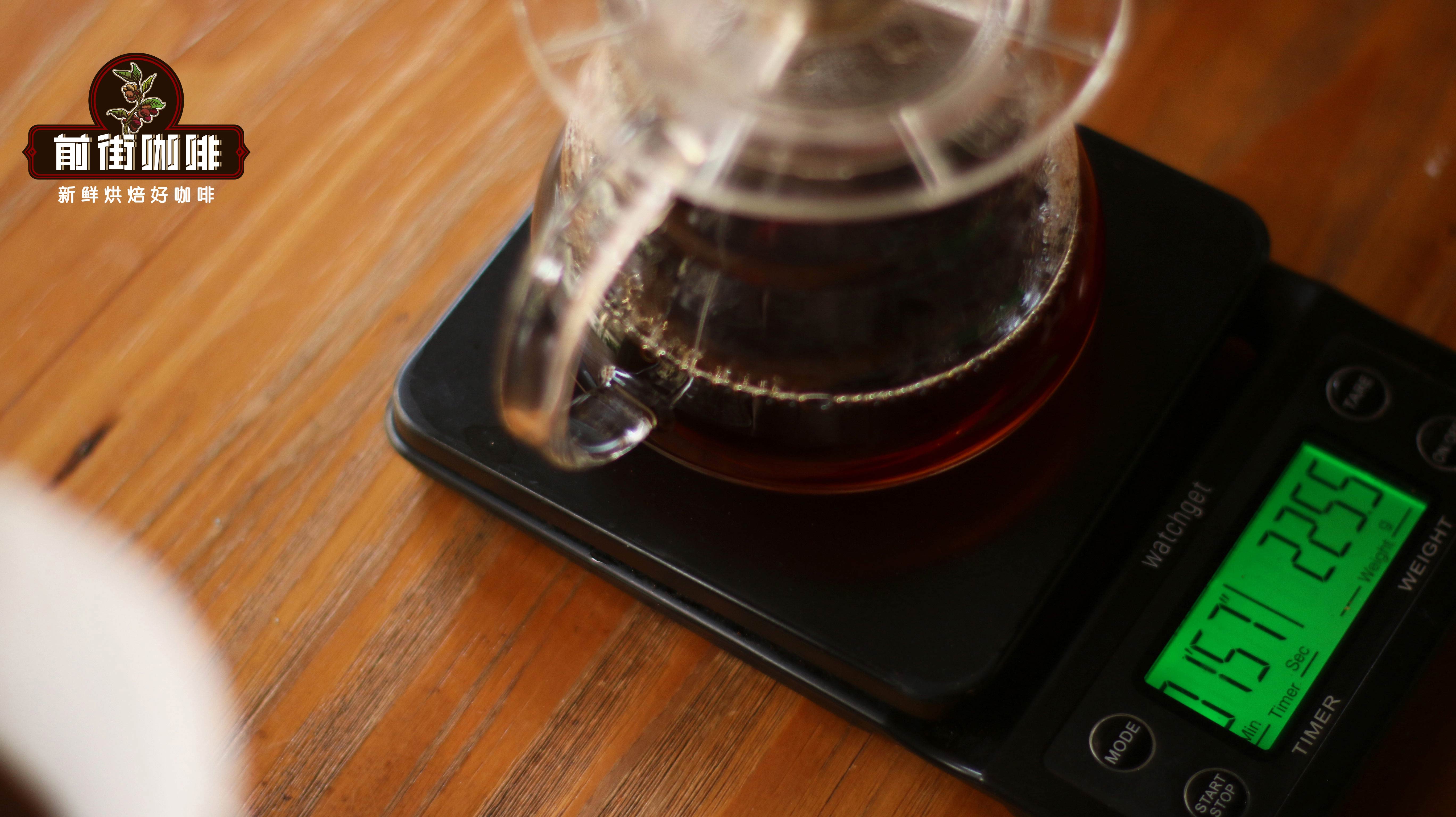
When the liquid level drops to the halfway point, begin the third stage by pouring 90 grams in a small spiral with a thin stream. Be careful not to make the spiral too large, otherwise it is easy to scatter the coffee bed and cause under-extraction. The final total water amount is 240 grams, and dripping ends at about 2 minutes 10 seconds. After removing the dripper, swirl the coffee liquid in the server to mix it evenly, and then you can begin tasting.
The pour-over Emerald Red Label Geisha has an elegant entry of rose, citrus, strawberry, and tropical fruit acidity, with a long and pleasant black-tea-like aftertaste. The flavor layers present different aspects as the temperature changes, and the overall mouthfeel is very smooth.
The influence of pour-over parameters on flavor
If you are just starting out, the flow rate, water temperature, and duration during pour-over all require a period of practice to master. In this process, you will gradually learn to adjust the strength and find the best flavor according to the roast level of different coffee beans.
The above content is compiled by CoffeeHunters, a coffee news website.


