







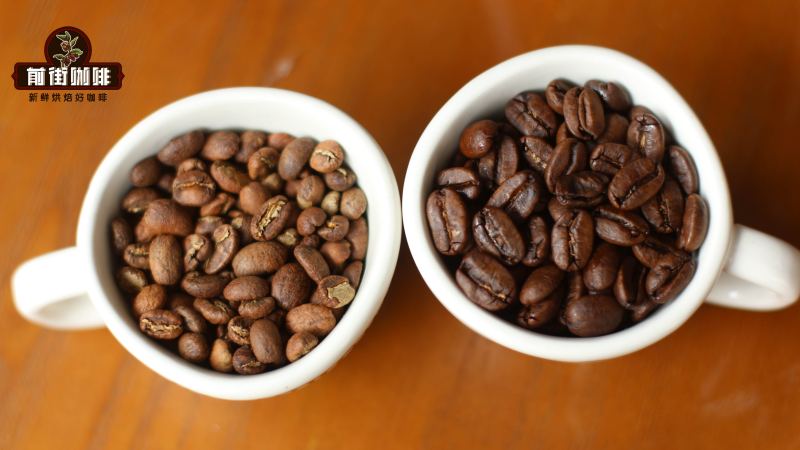
How Does the Roasting Process Affect Bean Choice?
Buying coffee beans that suit your taste comes down to a few criteria: the roast date, the packaging, the regional flavor, and whether the beans are a blend or single origin. Always choose freshly roasted beans. Look for bags that clearly state the roast date rather than a shelf life or expiration date, and buy from roasters that focus on fresh roasting.
The roasting process matters because darker and lighter styles develop flavor differently. The three common styles are light, medium, and dark roast; lightly roasted beans keep more of a coffee's origin character, while darker roasts push toward caramel and chocolate. High-quality bags also carry a one-way degassing valve, releasing carbon dioxide so the beans stay fresh; after about 50 days, most aroma is gone.
To buy coffee beans that suit your taste, there are actually some simple yet key criteria for judgment. This article goes through, one by one, the tips worth paying attention to when selecting coffee beans—from roast date, packaging design, and regional flavors, to the choice between blends and single-origin coffees, and the three roasting styles of light, medium, and dark. Front Street Coffee, drawing on its own products, shares how to pinpoint the bag of beans that suits you best based on your daily drinking habits and flavor preferences, helping coffee lovers avoid detours amid a dazzling array of choices and quickly enjoy a cup of coffee at its best.
No matter which roast level you prefer or what brewing method you're used to, Front Street believes that mastering some practical experience in buying coffee beans is both necessary and valuable.
The first point, and the one that must not be overlooked, is to always choose freshly roasted beans. When buying, look for those that clearly indicate the roast date—note, not the shelf life or expiration date—and come from professional roasters with a good reputation who focus on fresh roasting.
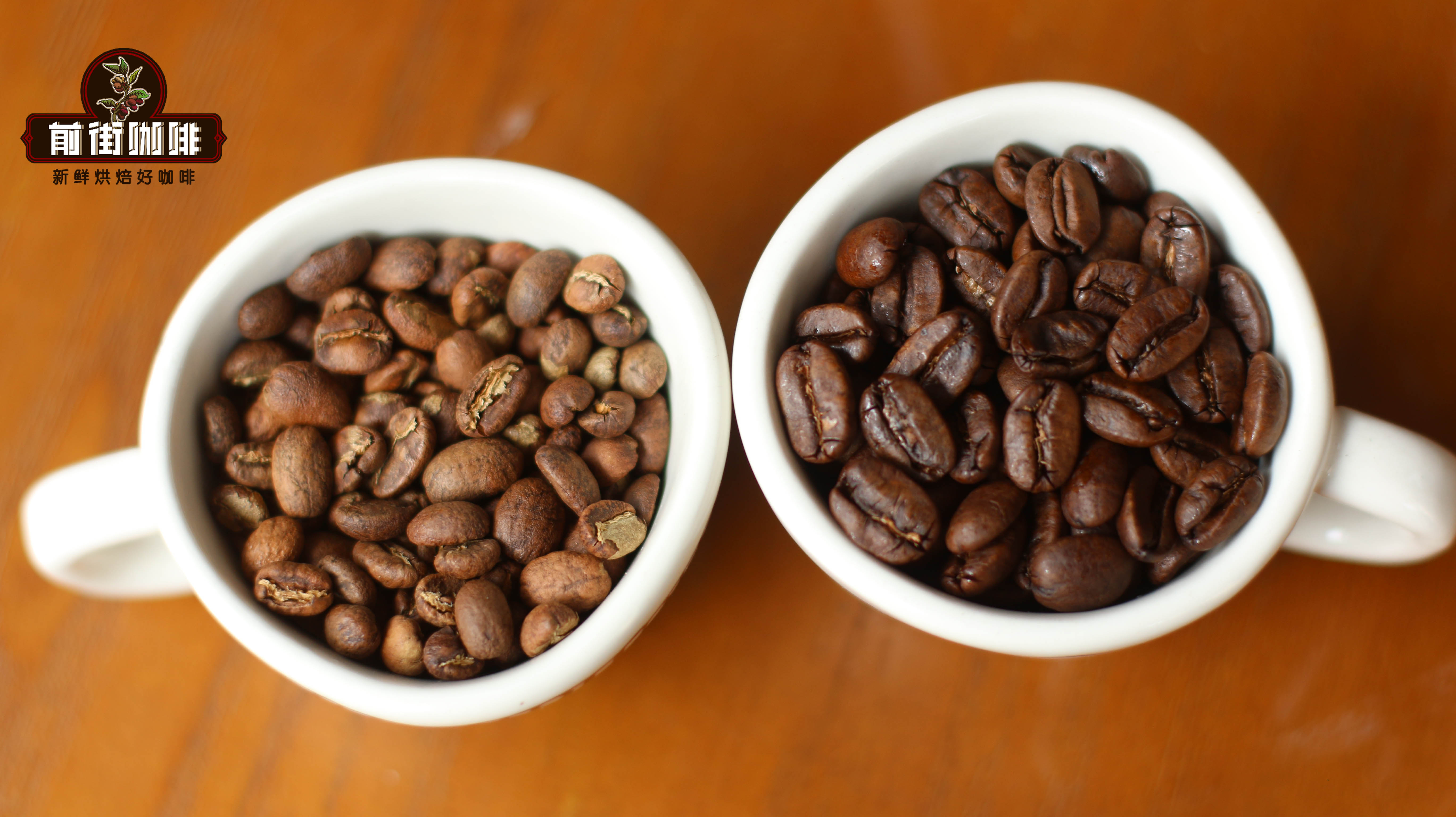
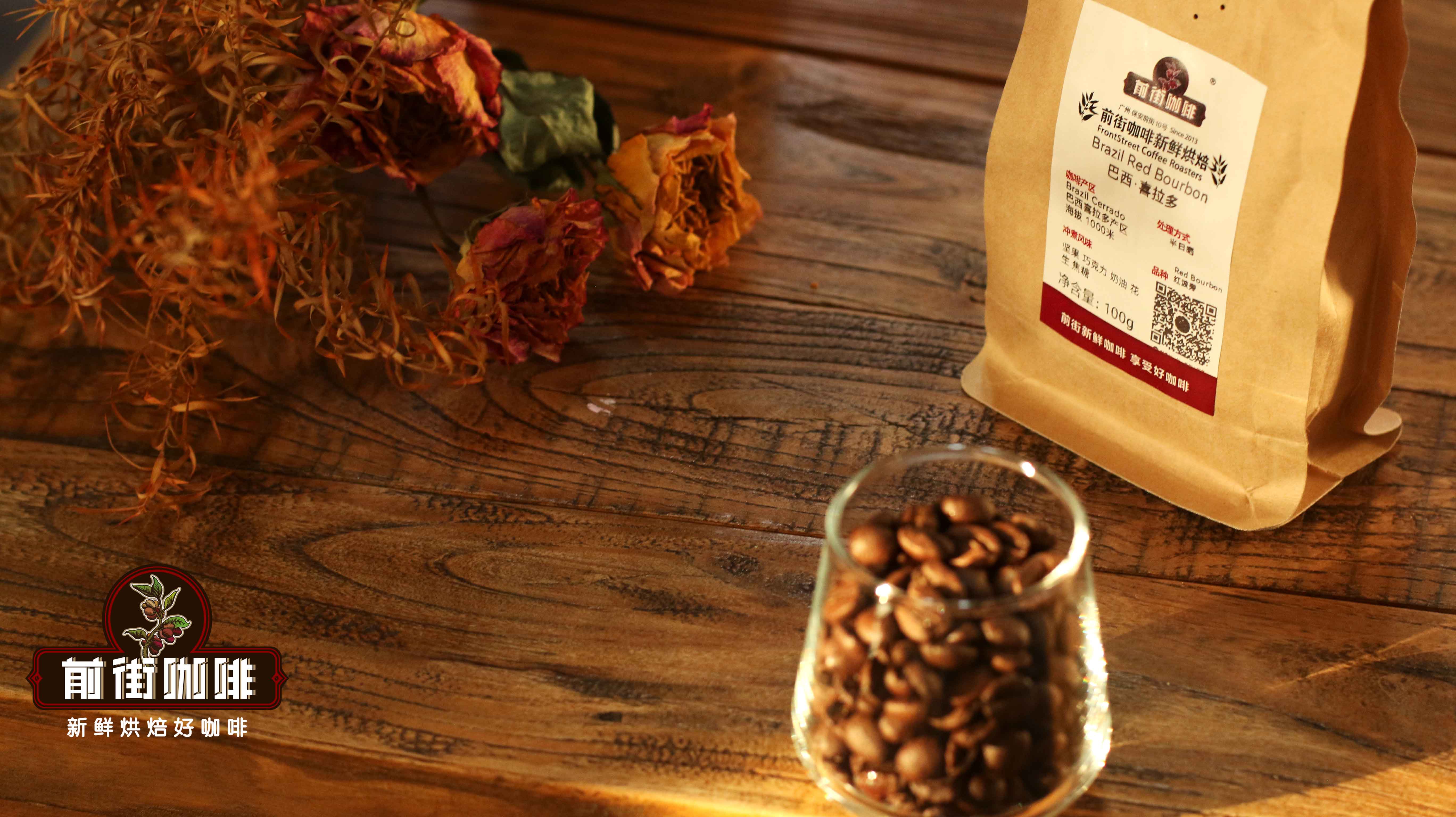
Every bag of coffee beans sold by Front Street is shipped within 5 days of completing the roast, and the packaging is equipped with a one-way degassing valve to ensure the beans are still in their freshest state when they reach the customer. High-quality coffee bags generally have a button-sized vent at the top of the bag, commonly known as a "one-way degassing valve," whose purpose is to allow the carbon dioxide naturally released by the coffee beans to escape smoothly.
The reason Front Street repeatedly emphasizes the importance of fresh roasting is that the longer coffee beans are stored, the more noticeably their flavor fades. Beans roasted more than 50 days ago have basically lost almost all their aroma, and at that point, no matter how expensive the coffee is, it won't taste good when brewed. Therefore, it's recommended to drink them as soon as possible within the optimal flavor period.
Choosing Origins by Taste
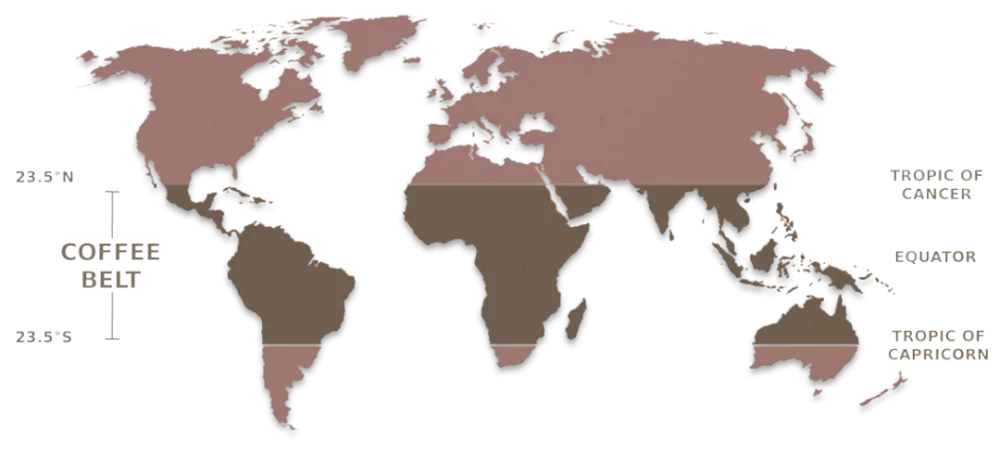
Climate conditions, altitude, growing environment, and processing methods all influence the flavor coffee ultimately presents, and differences between different origins are often quite significant—each region has its own flavor personality.
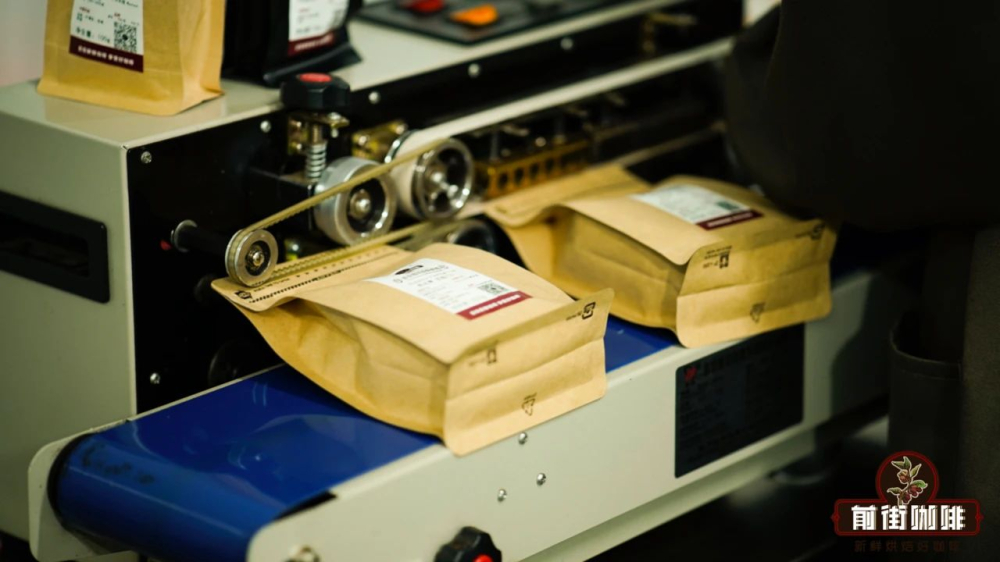
Central and South America Coffee from this region tends to have more pronounced sweetness, obvious caramel notes, relatively mild acidity, and moderate body. You can try Front Street Costa Rica Tarrazu, Front Street Colombia Huila, and Front Street Brazil Red Bourbon.
Africa Most African coffees are rich in fruity flavors, layered and complex, with bold aromas, low bitterness, and a light, pleasant drinking experience. Recommended: Front Street Fruit Ding Ding, Front Street Kenya, and Front Street Huakui.
Asia Asian coffees tend toward dark, bitter, and intense flavors, with strong taste, sometimes with obvious herbal notes and a thick mouthfeel. Opinions on Asian coffee vary from person to person—some love it, while others find it hard to adapt to. The most representative example is Front Street Mandheling coffee.
Blend or Single-Origin
This topic is quite interesting, but ultimately, whether to choose a blend or a single-origin comes down to personal preference. Most roasters believe that blended coffee beans offer more stable flavor performance. Recommended: Front Street Classic Espresso Blend, Front Street Specialty Espresso Blend, and Front Street Strawberry Candy Espresso Blend—suitable for making espresso or moka pot coffee, with a rich taste and abundant crema. If you care more about the unique character of the coffee, then prioritize single-origin coffee. Not only are there many varieties to choose from, but the same bean brewed with different brewing equipment will also present different flavors and aromas.
To find the coffee you like best, the most effective approach is to keep trying new blends and single-origins until you encounter the one that suits you most. At the same time, you can also directly ask the merchant for help by telling them your flavor preferences—usually they'll be more than happy to help you find the most suitable beans.
Coffee Bean Roasting Styles
The roasting process plays a decisive role in shaping coffee flavor. By degree of darkness, there are generally three types: light, medium, and dark.
The darker the roast, the lower the acidity and the heavier the mouthfeel, because the coffee beans gradually lose their original flavors during roasting. But this isn't necessarily a bad thing—dark-roasted beans often carry a unique and appealing chocolate or caramel aroma, and Front Street Commercial Blend has exactly these characteristics.
Conversely, lightly roasted beans retain more acidity and carry only a slight roasted taste. Recommended: Front Street Butterfly. This type of coffee is suitable for brewing with a siphon, pour-over drip, AeroPress, and cold brew—these methods can more fully bring out the beans' inherent flavors.
Medium roast sits between dark and light roast, suitable for brewing with a moka pot or French press, and can also be pour-over brewed or used to make espresso. Medium-roast coffee has a very wide range of options, with representatives including Front Street Xizhao, Front Street Bird of Paradise, and Front Street Yunnan Arabica.
Front Street's suggestion is to first figure out which coffee you drink most often, then use that to determine which roasting style suits you best. Among them, medium roast has the widest range of applications, light roast offers more complete flavors, and dark roast has more pronounced chocolate notes. It's worth trying coffees of different roast levels to ultimately find the one that best suits your taste.
The above content is compiled by CoffeeHunters, a coffee news website.


