







Why Is Huila Coffee a Colombian Staple?
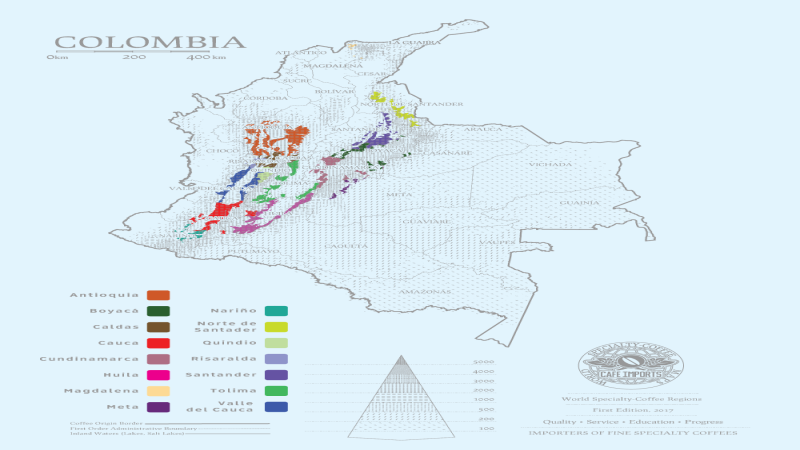
Huila supplies roughly 18 percent of Colombia's total coffee production and received Denominación de Origen certification in 2013, according to the Colombian Coffee Growers Federation. The region sits in the southern Central Cordillera near Huila Volcano, where mineral-rich volcanic soil and high canyon slopes block cold currents. In the cup, Huila coffee combines nutty and chocolate aromas with bright fruity acidity.
Several Huila lots have placed well in Cup of Excellence competitions, which is one reason roasters and cafes keep returning to the region. The washed Huila in Front Street's daily beans line is roasted for balance and brewed simply, whether on a pour-over setup or an american coffee machines routine at home. Processing is mostly washed, preserving the clarity that defines the area.
As a globally renowned coffee-producing country, Colombia's southern specialty region of Huila has attracted considerable attention in recent years. This article will analyze the Huila region from the perspectives of its geographical and climatic conditions, cultivation patterns, and processing methods, interpreting its unique flavor profile that combines nutty and chocolate aromas with bright fruity acidity. It will also introduce the variety selection, roasting approach, and brewing plan for the washed Huila in Front Street Coffee's daily beans series, helping coffee enthusiasts better understand the flavor expression of this classic origin and find a daily staple coffee that suits them.
Colombia's coffee-growing regions are extremely vast, and different regions present their own unique flavor profiles due to differences in geographical environment and processing methods. The core area of specialty coffee is mainly concentrated in southern Colombia, with Huila, Cauca, and Nariño being familiar names among them. In this article, Front Street Coffee will focus on the Huila region, which has been growing steadily in popularity in recent years.
According to statistics from the FNC (Colombian Coffee Growers Federation), the Huila region contributes about 18% of Colombia's total coffee production and officially obtained Denominación de Origen certification in 2013. Front Street Coffee believes that the reason Huila coffee is so widely favored is not only its production volume, but more importantly its stable quality and good reputation. Lots produced by farms in this region have repeatedly won honors in Cup of Excellence competitions, and many roasters, baristas, and cafés are happy to prioritize recommending Huila beans. This is due to Huila coffee possessing both abundant nutty and chocolate aromas and a bright, appealing fruity acidity, and its refined flavor has led it to be regarded as one of the representatives of Colombia's top specialty coffee. Front Street Coffee also regards it as Colombia's "flagship" and has included it in its daily beans product line.
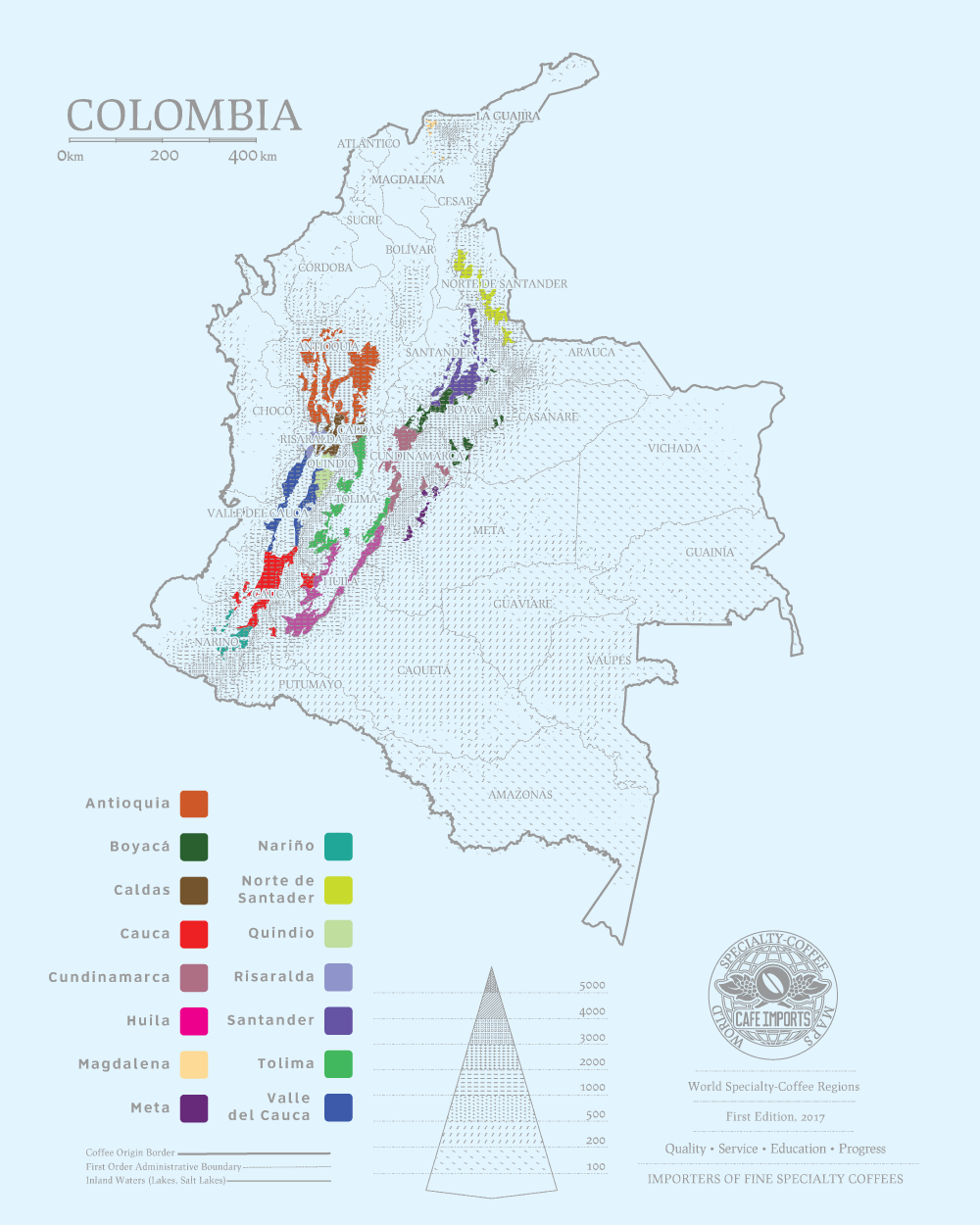
Huila is located in the southern part of the Central Cordillera, adjacent to Huila Volcano, and its soil is rich in volcanic minerals. Around it are high-altitude hills and canyon slopes of various forms. This terrain not only blocks the intrusion of cold currents but also allows mountain breezes to bring coolness, avoiding the troubles of high temperatures. The Colombian River converges here, bringing abundant water and moisture, with annual precipitation reaching 2,000 to 3,000 millimeters. Thanks to these superior geographical and climatic conditions, Huila has become a representative region for high-quality coffee worldwide.
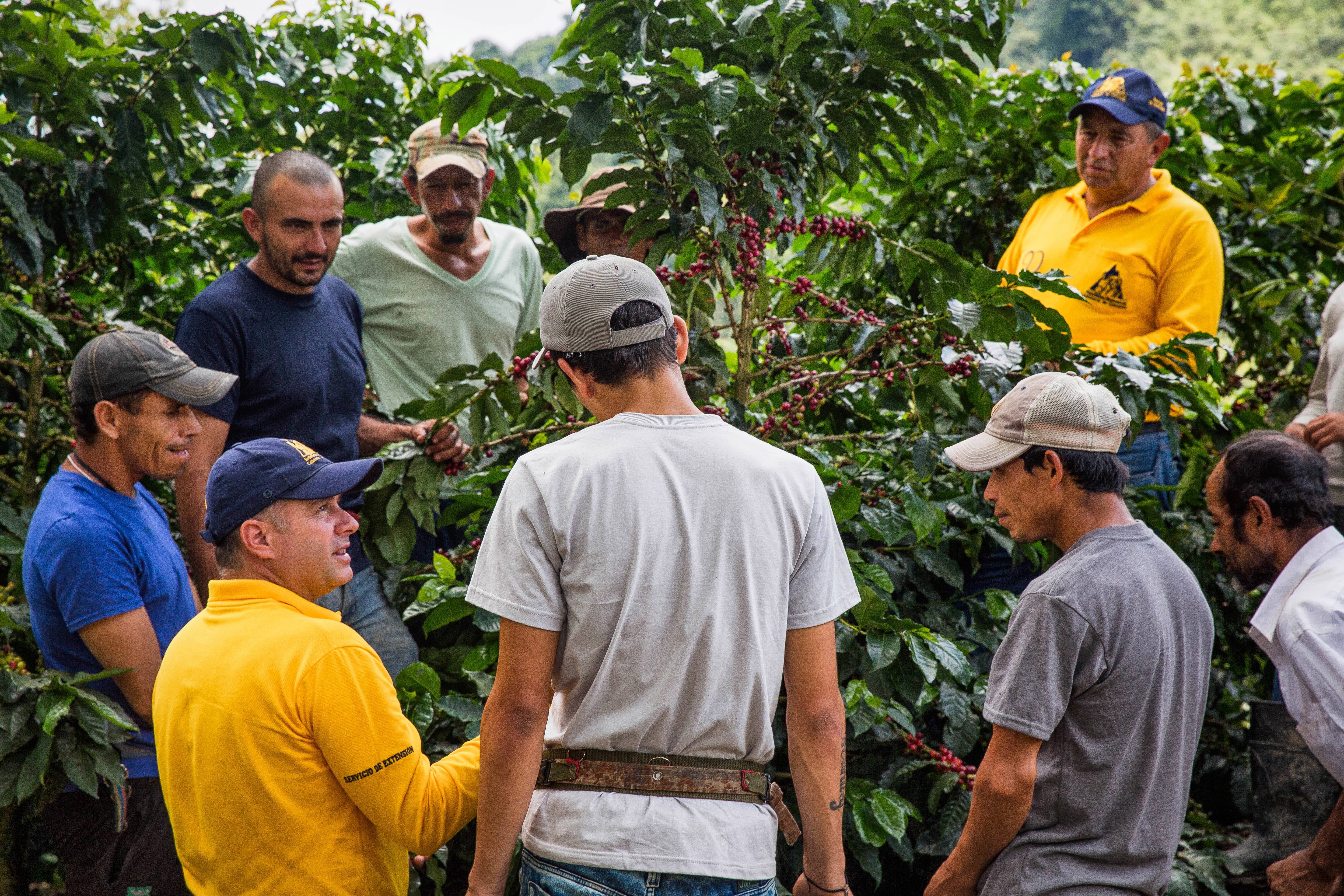
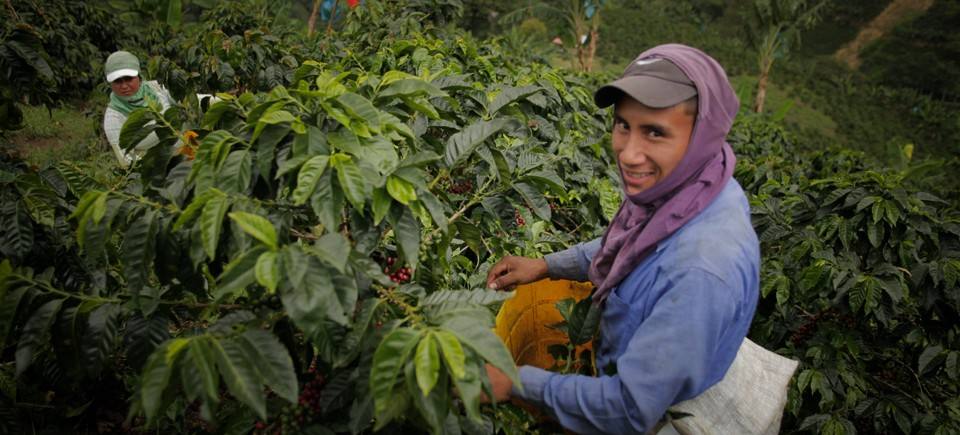
Local cultivation is mainly based on small farms, with an average farm size of only about 1.5 hectares. Whenever the coffee cherries ripen, farmers are busy with hand-picking. Huila is rich in freshwater resources, and growers usually choose the washed method to process green beans. After manually picking ripe coffee cherries, they are depulped the same day. Most farms are equipped with pulpers and complete depulping with hand-cranked machines, followed by fermentation for 28 to 40 hours, then manual washing. The parchment coffee is then dried for 12 to 20 days.
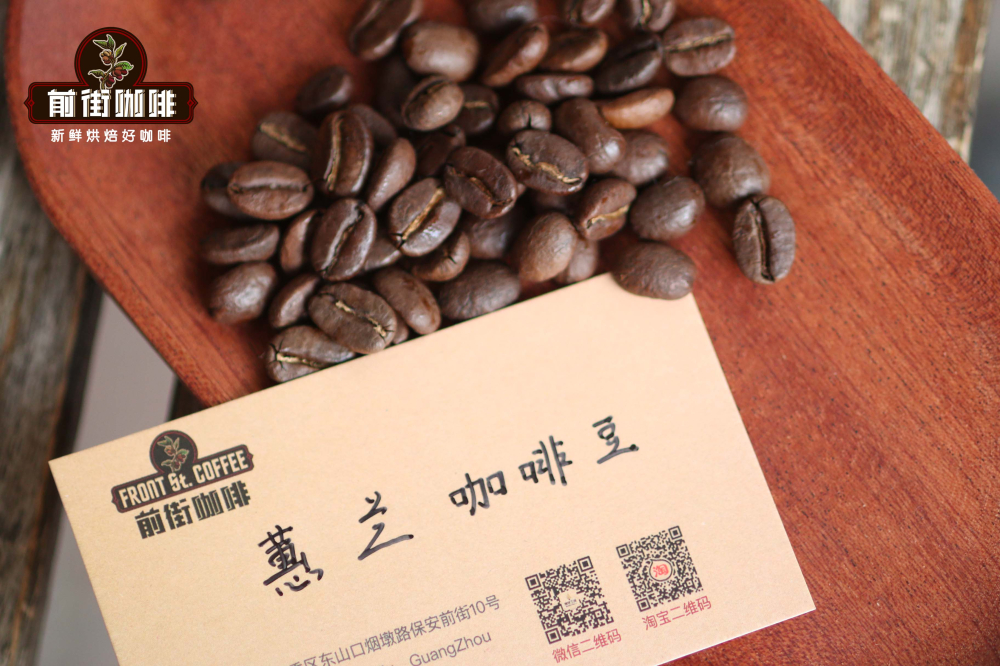
Nowadays, there are many Colombian coffees on the market that use innovative processing methods, with more concrete flavor expression. Front Street Coffee believes that if you want to truly understand a coffee origin, you should start with the flavor of the coffee itself, that is, return to natural processing methods: washed and natural. The washed process can significantly reduce the proportion of defects in coffee beans, preserve the beans' original flavor, and bring higher cleanliness. The Colombian daily beans launched by Front Street Coffee are exactly washed processed, using the widely locally grown Caturra variety. The Front Street Coffee daily beans series is sold in 100-gram small packages. Friends who are just getting into coffee can perceive the flavor differences of major classic origins through tasting, and then find the type they prefer.
Caturra naturally mutated from the ancient Bourbon variety and was first discovered in Brazil in 1937. Its tree shape is relatively short, and its disease resistance is not particularly strong, but because it is suitable for dense planting and has a higher fruiting rate, its yield is more considerable than varieties such as Bourbon. Caturra is widely planted in various Central American countries and is also a frequent winner in many coffee competitions. Many coffees on Front Street Coffee's bean list include Caturra. If you want to understand the flavor characteristics of this variety, Front Street Coffee recommends the Colombian daily beans, which use washed Caturra. After roasting, Front Street Coffee will conduct cupping. The Caturra shows bright acidity, with a cup full of fruity notes, while medium-dark roasting presents the sweet aromas of chocolate and nuts.
The washed Huila daily beans have both soft acidity and moderate body and sweet aftertaste. Front Street Coffee hopes to express the classic Colombian nutty base while retaining some acidity, so it chose medium-dark roasting. Before launching each new coffee bean, Front Street Coffee conducts at least one cupping evaluation. Cupping helps us present the strengths and weaknesses of coffee more objectively.
Front Street Coffee's flavor descriptions for each coffee during cupping are all based on freshly roasted beans. If coffee beans are stored for more than one month, the aroma may have partially dissipated, making it difficult to reproduce during brewing. Front Street Coffee is well aware of the importance of freshness, so it only ships coffee beans within 5 days after roasting, ensuring that everyone receives them at their optimal tasting period.
Considering that the Huila daily beans use medium-dark roasting, with a flavor leaning toward the rich and full-bodied route of nuts and chocolate, deeper roasting makes the coffee beans more porous and the coffee grounds more absorbent. To avoid extracting too many undesirable flavors, Front Street Coffee uses a medium grind size. As for water temperature, Front Street Coffee appropriately lowers it to avoid a burnt and bitter taste in medium-dark roasted coffee, and pairs it with a KONO dripper for extraction.
Unlike the V60 dripper, the KONO dripper's only exhaust position is at one quarter of the ribs. When the water level rises above the rib area, the water volume inside the dripper continues to rise, increasing pressure through the weight of the water. Because the outlet is relatively small, the contact time between coffee particles and water is extended, and when water is poured in, soluble substances can be brought out more effectively, thereby enhancing the coffee's body and richness.
Brewing parameters: KONO dripper, 90°C water temperature, grind size with 75% passing a No. 20 standard sieve, 1:15 coffee-to-water ratio, 15 grams of coffee, three-stage extraction.
Pour the coffee grounds into the V60 dripper, wet the bed with twice the amount of water as the coffee grounds, form a dome and bloom for 30s, then pour in a thin stream in circles from the inside out until 125g, pause, wait until the bed drops to half the height of the dripper, continue pouring the third stage with the same thin stream until 225g, and once all the coffee liquid has filtered through, remove the dripper. The time is about 2 minutes.
This Colombian Huila daily bean has obvious roasted aromas of chocolate, nuts, and caramel on the palate, smooth and sweet, with moderate body, a clean mouthfeel, and as the temperature drops, a pleasant soft acidity can be felt.
For professional coffee knowledge exchange and more coffee bean information, please follow Coffee Workshop (WeChat public account: cafe_style)
For more specialty coffee beans, please add the private WeChat of Front Street Coffee (FrontStreet Coffee), WeChat ID: qjcoffeex
The above content is compiled by CoffeeHunters, a coffee news website.


