







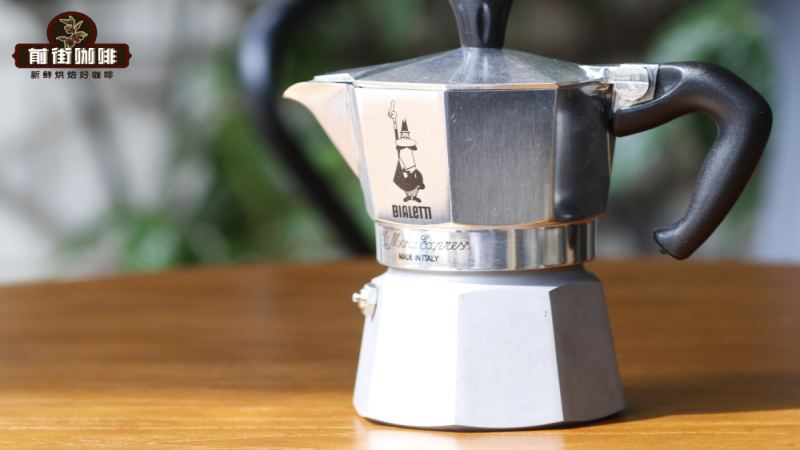
How Do You Choose Between Single-Valve and Double-Valve Moka Pots?
Moka pots come in two main designs, and the choice between them shapes the cup. Single-valve models rely on the pressure built up by the water vapor itself, producing a lighter, softer coffee, while double-valve models use a pressurized valve that raises the extraction pressure, giving a thicker body with more pronounced crema and intensity.
Both designs have been around for decades, though newer pressurized versions have revived interest. Beyond the valve, the filter basket matters: filling it level with grounds creates enough resistance for even extraction, while using half a basket speeds up the flow, which tends to yield a thin, sharp, and often bitter cup.
In recent years, the popularity of pressurized moka pots has brought this classic coffee device, which has been around for over ninety years, back into the public eye. Many coffee enthusiasts are concerned about the same question: how exactly should one choose between a single-valve and a double-valve moka pot? At the same time, the correct way to use a moka pot has also attracted much attention. Front Street Coffee will systematically sort out the relevant knowledge about moka pots in this article, including whether the filter basket must be filled, how to make a delicious cup of moka pot coffee with a smaller amount of grounds, and the specific differences between single-valve and double-valve models in structure, extraction performance, and suitable users, to help everyone make a suitable choice according to their own needs.
For more specialty coffee knowledge, please follow the WeChat public account: Front Street Coffee (FrontStreet Coffee)
The arrival of a new generation of pressurized moka pots has once again made this coffee device, which has a 90-year history, the center of discussion. The moka pot has thus welcomed a new wave of popularity. Many friends hope Front Street will talk about how to choose between single-valve and double-valve moka pots, and some also want to know how to use a moka pot, so Front Street decided to popularize the relevant knowledge about moka pots.
Must the moka pot filter basket be filled?
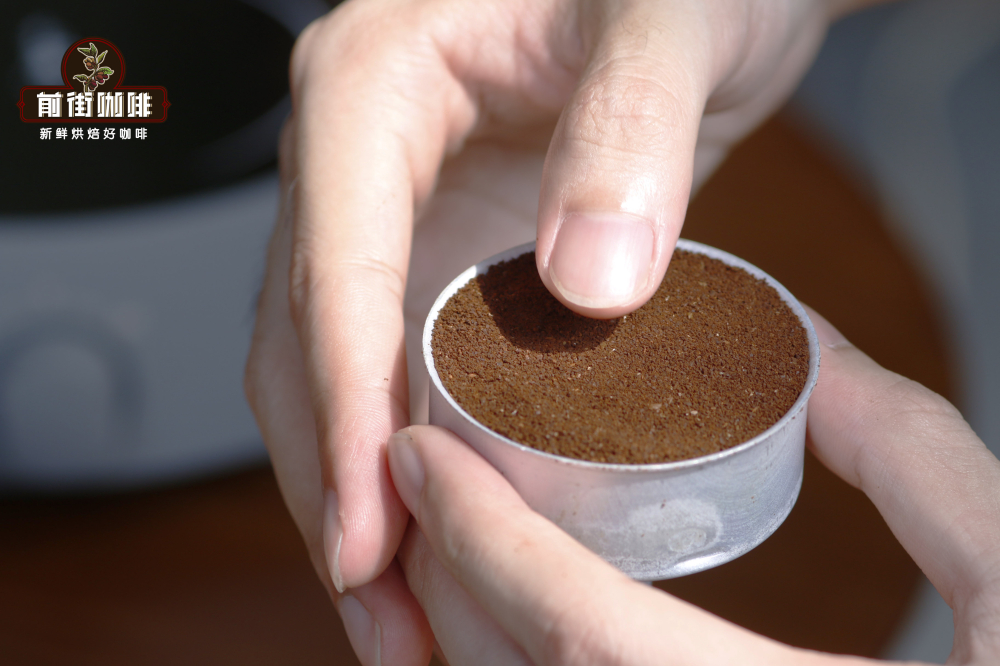
When adding grounds to the moka pot filter basket, it is recommended to fill it up, as the extracted coffee will be better than if only half is added. If only half the grounds are added, the resistance encountered by hot water passing through the coffee will decrease, and the extracted coffee will tend to taste weaker and not be rich enough. So it is not that it must be filled, but that when it is not filled, the coffee made may not taste as good.
The reasoning is not complicated: the less coffee grounds there are, the less resistance the hot water encounters, and the easier it is for the coffee liquid to enter the upper chamber. This shortens the extraction time, causing the coffee to have a sharp sour taste; second, because the hot water continuously washes through, the bottom layer of grounds is over-extracted, making the coffee unbearably bitter.
In articles about espresso extraction, Front Street often mentions that water is lazy and will preferentially choose the "path" with less resistance to pass through, commonly known as the "channeling effect." Therefore, in addition to changes in resistance, reducing the amount of grounds also leaves a certain amount of space inside the filter basket. When the hot water moves upward, it will preferentially bypass the coffee bed and directly enter the upper chamber, and this portion of coffee liquid is very likely to be under-extracted.
If you want to make a cup of moka pot coffee with less coffee grounds, Front Street recommends that when pouring the coffee grounds into the filter basket, first gently tap left and right to let the fluffy coffee grounds settle naturally, so that the particles become closely connected. Then find a small spoon and gently "press" the coffee bed with the back of the spoon until the coffee bed has completely dropped to the halfway position. In order to avoid over-extraction caused by the hot water contacting the thinned coffee bed for too long, before loading the filter basket, first pour half the amount of high-temperature hot water into the lower chamber, which can effectively shorten the heating time. When the moka pot's output fills the bottom, immediately remove it from the heat source, and use residual heat to release all the remaining coffee liquid.
After this adjustment, not only did no sputtering occur, but a small amount of foam layer was also produced, and the concentration was much higher. Front Street made this "half-dose moka pot coffee" into iced milk coffee. On the palate, there were obvious cocoa and creamy flavors, with a balanced and mellow mouthfeel.
So, is a moka pot better with a single valve or a double valve?
According to differences in structure and function, moka pots are divided into single-valve and double-valve types. Single-valve means the extracted coffee liquid flows out directly from the small hole at the top; a double-valve moka pot, on the basis of the hollow tube, is additionally equipped with a pressure valve. During extraction, the small hole on the hollow tube where the coffee liquid comes out is blocked, and a certain steam pressure must be reached to push it upward and open. Therefore, the double-valve moka pot with greater steam pressure can extract richer coffee oils, and the flavor is also more intense. But increased pressure also easily leads to over-extraction of the coffee, so the grind size and amount of coffee grounds need to be adjusted.
Front Street believes that the single-valve moka pot has a higher margin for error, and the coffee it brews is not easily over-extracted, making it more friendly to beginners who are new to coffee; while the double-valve moka pot requires greater pressure for output and easily extracts oils, but the risk of over-extraction is also greater, and with a little carelessness the coffee made will be very bitter.
The above content is compiled by CoffeeHunters, a coffee news website.


