







Is Huakui 8.0 Suitable for SOE and Americano?
Ethiopia Sidamo natural Huakui 8.0 suits SOE brewing. Sun-dried processing leaves the beans with fermented fruit aromas, berry sweetness, and a juicy body, so a single-origin espresso pulled from it reads as syrupy and fruit-forward. Diluted into an americano, those berry notes stay intact and the cup keeps its weight without turning harsh.
SOE means single origin espresso, a shot pulled from one origin rather than a blend. Because Huakui 8.0 was washed and dried as whole cherries in Sidamo, it carries more sugar and body than a washed bean, so roasters tend to take it to a medium level for espresso and adjust grind and dose to keep extraction even.
The Sidamo region is famed for its rich, juicy body and full berry flavors, and Huakui 8.0 is a quintessential example of this style. This article begins with the sun-dried processing method, outlines the regional character of Sidamo coffee, traces Huakui's journey from winning the TOH competition to being named and launched on the market, unpacks the true meaning of the so-called "Huakui flavor," and offers Front Street Coffee's roasting plan and extraction parameters for whether Huakui 8.0 is suitable for making SOE. Whether you prefer pour-over, cold brew, or espresso machine, you'll find practical reference here.
Whenever a customer comes to Front Street to pick out Ethiopian coffee beans, the barista always starts with a question: "Would you like the kind of Ethiopian with bright acidity, or the kind with a fuller juice-like body?" When faced with a dizzying array of Ethiopian beans and unsure which to choose, Front Street's baristas use the signature bright citrus acidity of the Yirgacheffe region, along with the intense fruity aroma and juice-like body of the Sidamo region, to help customers quickly pinpoint their preferred flavor direction.
Generally speaking, the "sun-dried flavor" of single-origin coffee is a rather vague description. Those who love it call it elegant and aromatic, while those who aren't used to it find it odd-tasting. Even seasoned coffee enthusiasts who can tell at a single sip that a bean has been sun-dried would probably struggle to articulate exactly what "sun-dried flavor" tastes like.
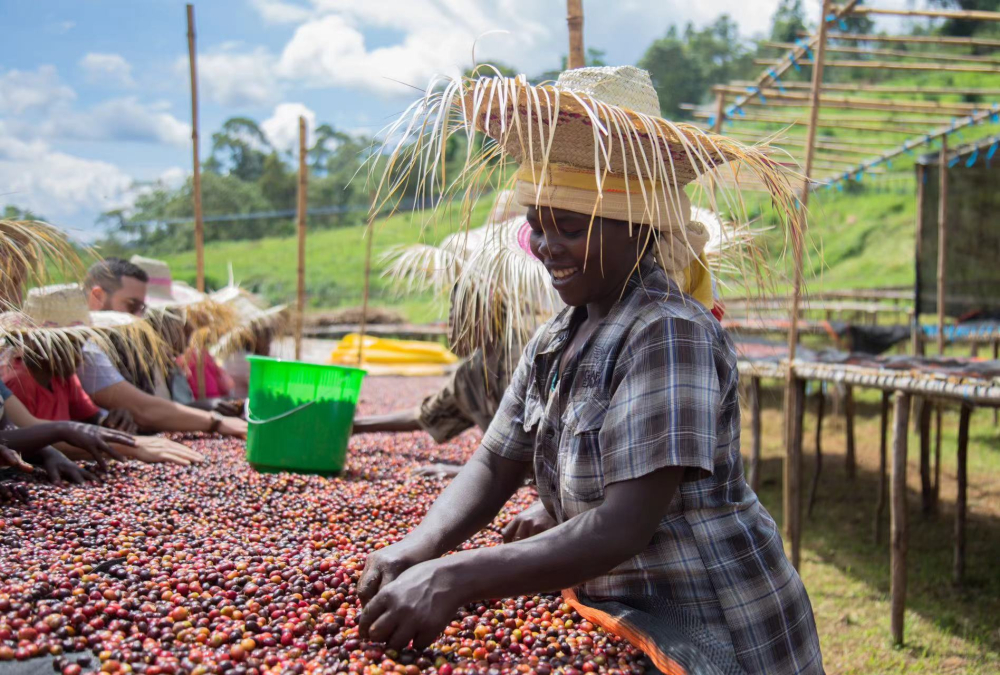
The so-called sun-dried flavor actually comes from the tastes that coffee beans accumulate during the sun-drying process. In converting coffee cherries into green beans, washed and sun-dried are the two common methods. Sun-dried processing involves drying the whole coffee cherry directly, so the beans absorb sugars from the fruit pulp and mucilage, giving off a slight fermented aroma and a more pronounced sweetness when drunk.
How coffee beans are sun-dried
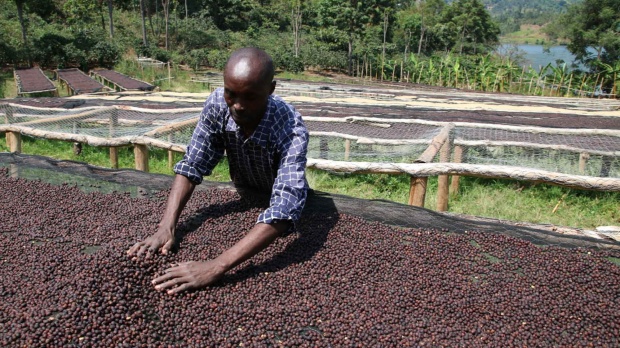
Every harvest season, farmers in the Sidamo region pick only ripe red cherries, placing them one by one into baskets. The harvested cherries are uniform in size, at a similar stage of ripeness, and free of impurities. At the start of processing, defective beans as well as underripe or overripe cherries are removed by hand. The coffee cherries are then spread out on raised wooden frames or entire drying racks for sun-drying, which prevents the beans from touching the ground and absorbing off-flavors.
During drying, the cherries must be turned constantly to ensure even dehydration; every three to five days, farmers manually remove moldy or defective beans. Once the fruit skin has dried and hardened, a huller is used to remove the dry, hard skin. After obtaining the green beans, farmers perform one final round of sorting to achieve the desired cup profile.
Is sun-dried coffee from the Sidamo region good?
Ethiopia is a globally significant coffee exporter, with major producing regions including Sidamo, Yirgacheffe, Kochere, Harar, and Jimma. Sidamo is an important origin for specialty beans, and its coffees are known for outstanding fruit notes and delicate, elegant flavors.
The Sidamo region is located in southern Ethiopia, extending east to the Arsi and Bale administrative zones and west to the Gamogofa administrative zone, with coffee cultivation at altitudes between 1,400 and 2,000 meters. The local economy is primarily agricultural, and coffee-growing areas mainly surround the Great Rift Valley. In recent years, Sidamo has developed rapidly and has become an important coffee export hub. The coffees of this region are extremely diverse; different soil types, microclimates, and countless native coffee varieties mean that coffee from each town shows distinct differences and unique character.
Thanks to the sun-dried processing method, the coffee beans of this region have fuller berry acidity and a smooth body, making them highly favored by coffee consumers worldwide.
Representative sun-dried coffee beans from the Sidamo region
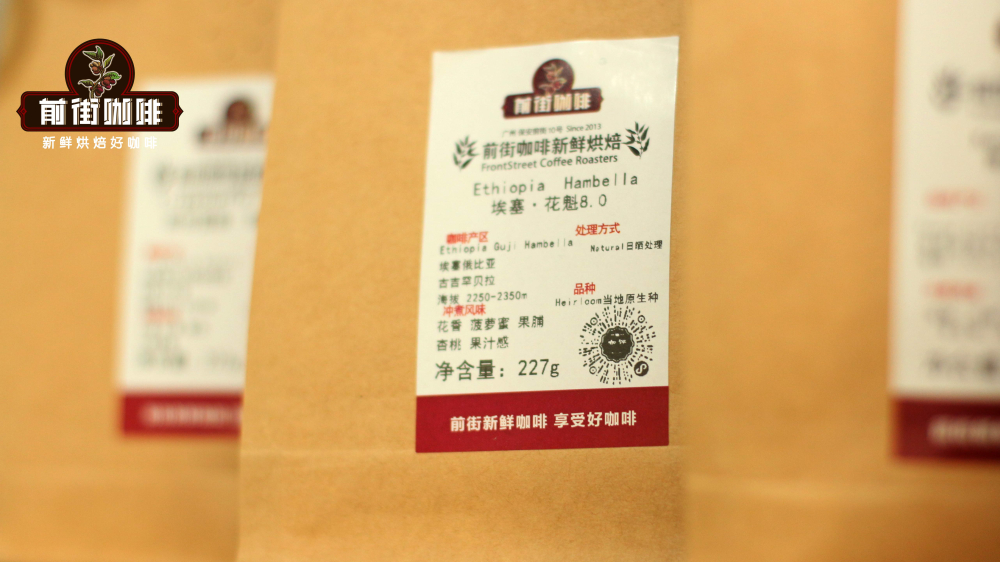
Front Street Coffee – Sidamo Huakui 8.0 Coffee Beans
Continent: Africa
Country: Ethiopia
Origin: Hambela, Sidamo
Processing station: Buku Abel Processing Station
Coffee variety: Heirloom (Ethiopian native variety)
Altitude: 2250-2350m
Processing method: Sun-dried
What is "Huakui Coffee"? Why is it called "Huakui"?
Before becoming "Huakui," it was originally a competition-level award-winning bean from Ethiopia. In February 2017, Ethiopian DW Coffee Company entered a sun-dried coffee bean from the Buku Abel Processing Station in Hambela, Sidamo, in the TOH (Ethiopia National Taste of Harvest competition) organized by the African Fine Coffees Association, and with its intense berry aroma and creamy texture, it took first place in the sun-dried category that year.
That same year, the winning lot was spotted by a green bean trader in Beijing, and because of its champion status, it was named "Huakui" (meaning "chief of a hundred flowers, outshining all others") and launched on the domestic market. Later, this "Huakui" was chosen as a competition bean by a contestant in a China coffee brewing championship, defeating a field of opponents using Geisha and taking the runner-up spot that year—this was Huakui's first taste of fame in China.
As its popularity on the competition stage continued to rise, this traditional sun-dried bean from the Buku Abel Processing Station successfully "debuted," and with its affordable price and crowd-pleasing flavor, it quickly became recognized in the industry as a high-quality Ethiopian coffee.
What is the "Huakui flavor"?
To distinguish it from the original, the green bean trading company added an X.0 suffix to each subsequent year's lot, counting from 2017, the year Huakui was born. For example, the 2018 lot was called "Huakui 2.0," the 2019 one "Huakui 3.0 and 3.1"... Last year's release was "Huakui 7.0," so the 2024 lot is naturally Huakui 8.0, and so on. This way, the suffix lets you identify which year's lot the Huakui you bought belongs to.
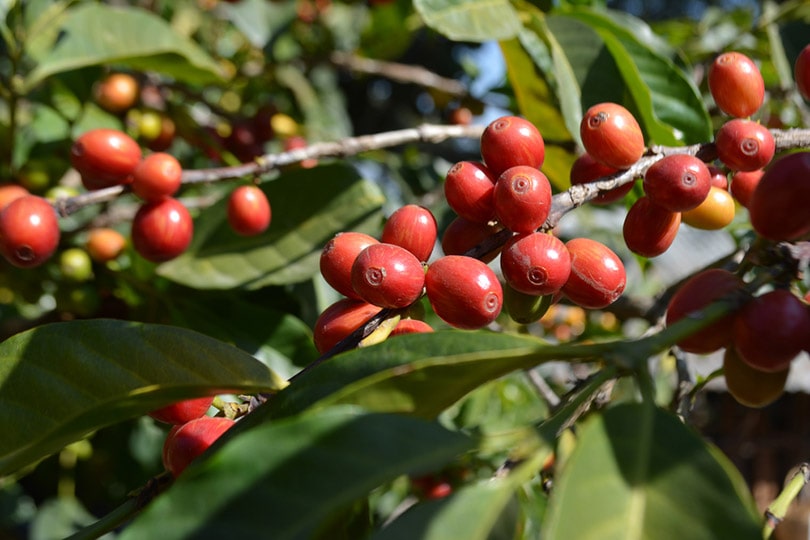
Taken literally, Huakui might make you think it's a coffee "overflowing with floral fragrance." That's not the case—Huakui's floral notes aren't particularly intense; instead, its fruit aromas stand out remarkably, such as creamy strawberry, mango, jackfruit, citrus, and blueberry. It has the ripe tropical fruit flavors characteristic of Sidamo sun-dried beans, often leaving a deep impression, and it was precisely this rich berry aroma that won "Huakui" first place in the TOH green bean competition that year.
However, as everyone knows, coffee is fundamentally an economic crop. A given year's yield and quality are first influenced by factors such as climate, rainfall, altitude, soil, and fertilization and weeding, and then differences in processing details (sunlight duration, temperature, humidity) bring about different flavor expressions—Huakui is naturally no exception. Therefore, each year's Huakui beans will differ somewhat in taste compared with the previous year.
Is sun-dried Huakui coffee suitable for making SOE?
Many coffee enthusiasts have this habit when they come across a bean they love: not content to taste it with just one extraction method, they want to use every tool at hand to brew it every possible way—and the highly personalized SOE is one of the most popular approaches. Take Front Street's recently launched Ethiopia Huakui 8.0: with its full fermented fruit aroma and the mellow sweetness unique to sun-dried coffee, it has become a daily staple for many enthusiasts, and it's also tempting those with espresso machines at home to try their hand at recreating a café-style Huakui SOE latte or SOE americano—just thinking about it is delightful.
Compared with dark-roasted blends, making a floral-fruity SOE is a real test of a barista's extraction skill. You not only have to consider the bean's roast level but also adjust extraction parameters according to actual conditions to bring out the best flavor and mouthfeel in the espresso. If you don't choose the right bean and aren't familiar with the espresso-making process, it's easy to mess up—the resulting coffee is either so bitter it's hard to swallow or so sour and astringent it's hard to drink. In Front Street's view, choosing a coffee bean suited to SOE extraction not only lets you easily make a delicious espresso, but also makes americano or latte, once water or milk is added, twice as good with half the effort.
Take the Huakui coffee we're discussing today: considering that everyone brews it differently after purchase, Front Street's roasters have specially developed two different roast profiles—one is a medium-light roast for cold brew and pour-over, and the other is a medium roast suitable for espresso machines and moka pots. For example, if you like something simple and convenient and use cold brew, or pursue a sense of ritual with pour-over extraction, you can choose the medium-light roast; if you prefer golden crema, or want to pour delicate latte art patterns, Front Street recommends the SOE roast profile.
Extraction parameters for SOE Huakui espresso
Coffee beans: Ethiopia Huakui 8.0
Dose: 20g
Yield: 40g
Dose-to-yield ratio: 1:2
Extraction time: 26-32 seconds
Grind setting: Galileo 2.0
The espresso machine used at Front Street's shop is the commercial single-group "Lelit Bianca," which can adjust extraction by changing pressure, with a maximum pressure of 11 bar. A home espresso machine only needs to reach 9 bar to meet the needs of extraction and milk frothing, paired with a Galileo espresso grinder.
The espresso machine Front Street uses has a double-basket capacity, requiring 20 grams of coffee powder each time, with a dose-to-yield ratio of 1:2—that is, 40 grams of coffee liquid within a reasonable time. Extraction time is related to the flow rate of the coffee powder; generally, a single extraction is controlled between 20 and 35 seconds. Less than 20 seconds and the coffee tends to taste thin and weak; more than 35 seconds and it's prone to over-extraction, resulting in a burnt, bitter taste. So Front Street controls the espresso time within the 26-32 second range.
Before extraction, wipe the portafilter basket dry, turn on the grinder, and grind a double dose of coffee powder, placing it on an electronic scale to measure and adjust until the weight reaches 20 grams. Then use a distribution tool to level the coffee powder, and press down vertically with a tamper to compact the puck firmly, ensuring more stable extraction.
Then turn on the extraction switch to release water for 1-2 seconds to moisten the group head while also washing away stuck coffee grounds. Place an electronic scale under the cup that will catch the espresso, tare it to zero, and place it together under the group head during extraction.
Gently lock the portafilter onto the group head and flip the extraction switch down. Watch the changes in the extracted liquid; when the scale shows 40 grams of coffee liquid at around 30 seconds, flip the extraction switch down. Brewing parameters will vary slightly with daily air humidity and the condition of the coffee beans, so the dose, grind setting, and extraction yield need to be adjusted accordingly.
The extracted Huakui SOE can be drunk directly—remember to pair it with a glass of water to rinse your mouth. You'll then taste the dense crema and the rich tropical fruit sweetness and acidity of the coffee beneath, along with a gentle, light floral note.
If you can't accept espresso's intense bitterness, you can of course, according to your preference, add 160g of ice water or warm water at a 1:4 ratio to make a refreshing SOE Huakui americano; if you like milk coffee, you can also add 240g of steamed warm milk at a 1:6 ratio to soften the espresso's mouthfeel, and you'll end up with a cup of SOE Huakui latte that tastes like creamy strawberry cookies.
The above content is compiled by CoffeeHunters, a coffee news website.


