







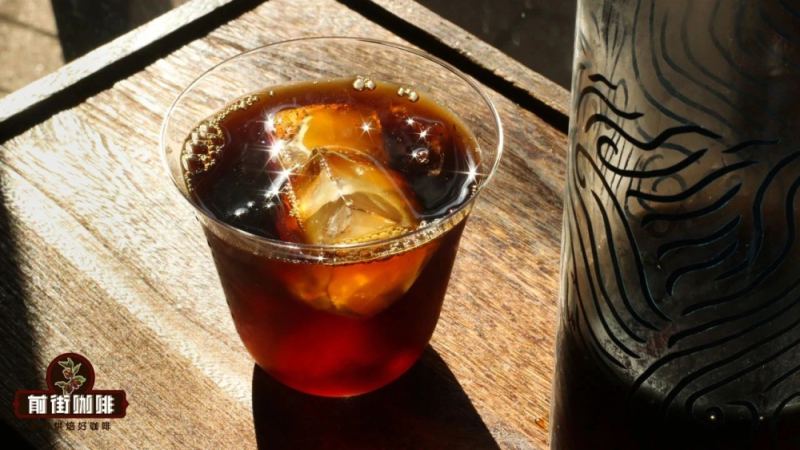
How Does Cold Brew Coffee Extraction Work?
Cold brew coffee is made by steeping coffee particles in low-temperature water for an extended period, usually many hours. Because the water stays cold, the liquid picks up less bitterness than hot brewing and shows more sourness, sweetness, and fermented notes. It differs from iced Americano and iced latte, which are hot espresso chilled and diluted with ice, water, or milk rather than brewed cold from the start.
The cold brew family splits into two methods: iced drip, which needs a special dripper and is mostly ordered in cafes, and cold steep, which is simple enough for home use and preserves the bean's original flavor. A typical iced Americano tastes bitter in a sharper way, while cold brew leans sweeter and softer. Darker roasts tend to show more pronounced flavor in cold extraction.
The iced coffee family has many members, including iced Americano, iced latte, iced pour-over, cold brew, and iced drip. The first three are essentially hot coffee cooled and diluted with ice or milk, while cold brew takes a completely different route. Cold brew is further divided into iced drip and cold steep; the former requires special equipment, while the latter can be easily made at home. Due to low-temperature extraction, cold brew coffee has less bitterness than hot extraction and more prominently features sourness, sweetness, and fermented flavors. This article will unfold step by step from the definition of cold brew, bean selection, to specific brewing steps, and recommend three Front Street single-origin coffees suitable for cold brew to help you make delicious cold brew coffee.
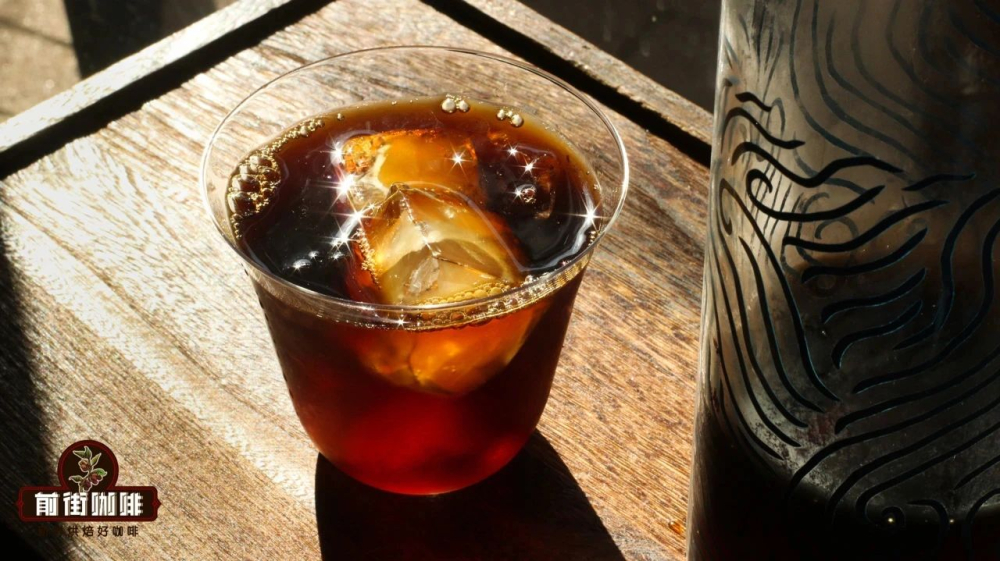
What exactly does iced coffee refer to?
Literally, any coffee drunk cold can be classified as iced coffee. The iced Americano, iced latte, iced pour-over, as well as cold brew and iced drip that we usually encounter, all fall into this broad category. However, iced Americano, iced latte, and iced pour-over share a common method—first extract a highly concentrated hot coffee, then use ice cubes, cold water, or milk to lower the temperature and dilute the concentration, ultimately obtaining a cold drink.
The scope of cold brew coffee includes two types. One is iced drip coffee, which must be made with a special iced drip pot, so most people do not make it at home but instead order it at cafes. The other is the common cold steep coffee, which has a low operational threshold, requires little effort, and can well present the original flavor of the coffee beans, making it particularly popular in home use scenarios.
What exactly is cold brew coffee (Cold Brew)?
Calling it cold brew, the core lies in the fact that the coffee particles complete extraction in low-temperature water. The direct result of low water temperature is that the coffee liquid does not easily develop bitterness like hot water extraction, with sourness and sweetness becoming more prominent, and often carrying a relatively clear fermented aroma. Also because of the low temperature, cold brew takes much longer than hot water brewing.
Coffee beans are seeds, and the oils contained in seeds are usually richer than other parts of the plant. Therefore, regardless of the variety, the darker the roast, the more obvious the oils are on the bean surface and in the mouthfeel. Light-roasted coffee has a lighter mouthfeel, strong fruity juice sensation, prominent fruity acidity, and upward-lifting floral and fruity aromas; using it for cold brew results in low bitterness and a delicate texture. Dark-roasted coffee has a heavy mouthfeel, intense flavor, and low aromas, closer to the "coffee taste" in the public impression. So, if you want to replicate a delicious cold brew, medium-light roasted beans would be a more suitable choice.
If you plan to keep a bag of beans at home that can be used for both pour-over and cold brew, and you also want to taste richer layers of flavor, you might want to look at these three currently very popular single-origin coffees:

1. Front Street. Washed Gedingding: From Yirgacheffe Town, when used for cold brew it emits the fresh fragrance of floral, citrus, lemon, honey, and green tea;
2. Front Street. Strawberry Candy Geisha Blend: This bean is a blend of Geisha from Panama and Costa Rica, with both the light aroma brought by washed processing and the sweetness retained by honey processing. After making cold brew, it presents notes of rose, raisin, and fruit gummy, and the aroma still lingers in the mouth after drinking;
3. Front Street. Sun-Dried Huakui: Produced in the Guji Hambela region as a champion bean, the refined sun-dried processing gives it flavor characteristics of light floral, strawberry, guava, and dried mango, and when made into cold brew it also has a black tea finish.
How to make cold brew coffee?
Step one, find a clean 200ml glass bottle with a lid that can be sealed, ensuring it is oil-free.
Step two, weigh 20 grams of coffee beans for cold brew and grind to a medium coarseness, roughly equivalent to granulated white sugar particles (based on the Chinese No. 20 standard sieve, with a passing rate of about 75%).
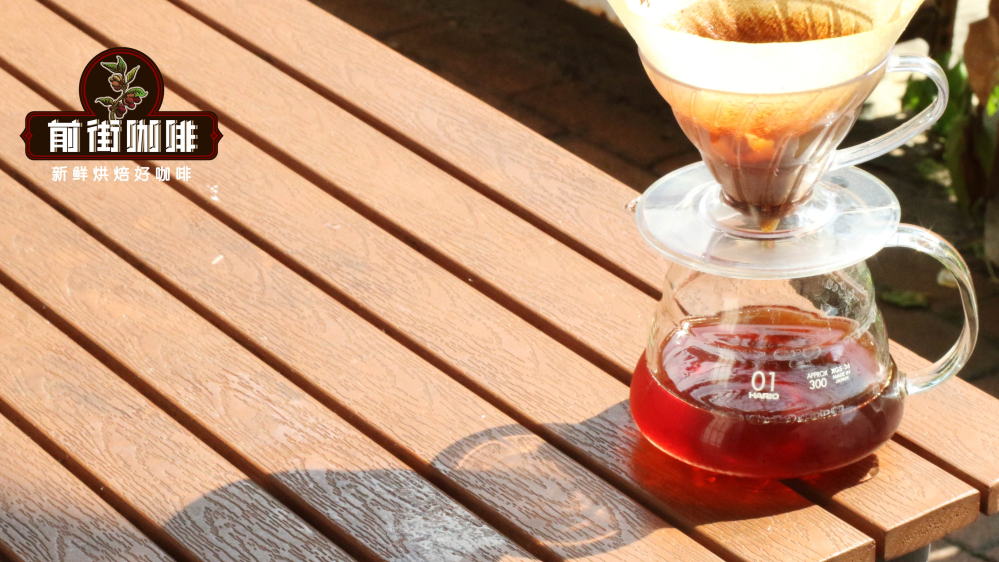
Step three, put the coffee grounds into the glass bottle and pour in room-temperature or ice water at a ratio of 1:10. Stir thoroughly so that every coffee particle comes into contact with water, then seal well and place in the refrigerator's cold storage area to steep for 8 to 12 hours. During this period, no shaking is needed; just let it sit.
After steeping is complete, use filter paper or another filtering tool to separate the coffee grounds, and it is ready to pour out and drink.
The above content is compiled by CoffeeHunters, a coffee news website.


