







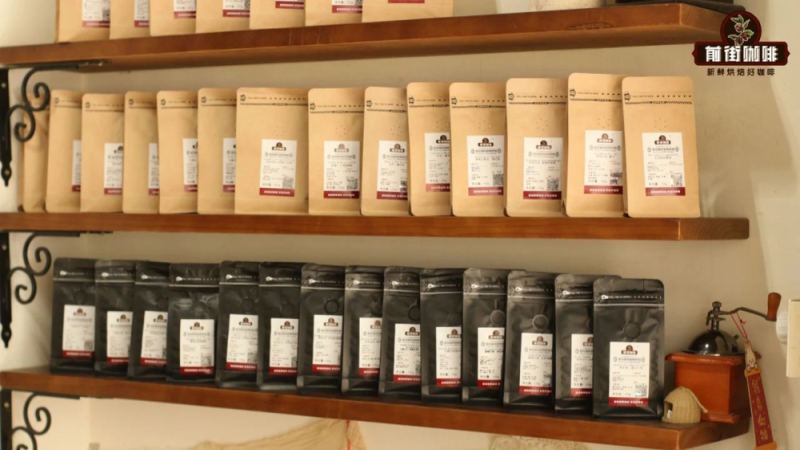
How Do Washed and Natural Yirgacheffe Beans Compare?
Washed and natural processing send Yirgacheffe in two directions. The washed Gotiti Cooperative lot shows the classic profile: clear acidity, floral notes and a clean body, and it works well as an entry point for anyone new to Ethiopian coffee. The natural Red Cherry Konga amplifies tropical fruit and sweeter, heavier aromatics.
Ethiopia is the birthplace of coffee, and its highlands, wide day-night temperature swings and misty mornings suit the crop, though the plant also grows in other tropical highland regions where can you grow coffee beans is the question in practice. The article adds pour-over parameters for both lots so drinkers can compare processing side by side.
Ethiopia, as the birthplace of coffee, enjoys exceptional growing conditions and a rich variety of processing methods. This article focuses on two representative coffee beans from the Front Street Yirgacheffe series—the washed Gotiti Cooperative and the natural Red Cherry Konga—and systematically examines how washed and natural processing methods affect flavor. From the Gotiti Cooperative's independent journey, the introduction and improvement of washed techniques, to how natural processing amplifies tropical fruit notes, and then to specific pour-over extraction parameters and flavor descriptions, the full text covers origin background, processing details, and tasting practice, providing coffee lovers with a complete Yirgacheffe flavor guide.
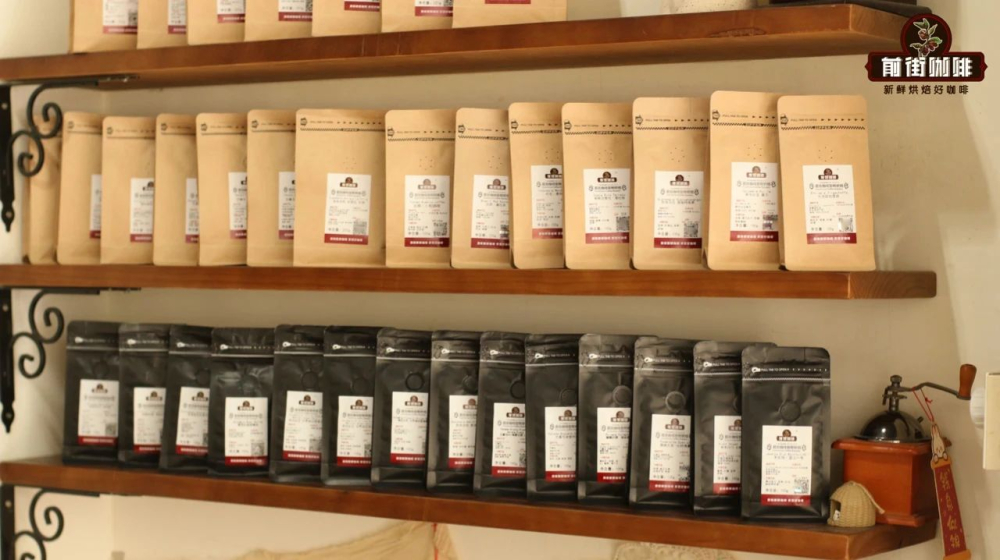
Ethiopia produces a large number of specialty coffee beans with distinctive styles, among which the most iconic are the washed Gotiti Cooperative, the natural Red Cherry Konga, and the Sidamo natural Huakui from the Front Street Yirgacheffe series.
If you are just beginning to explore Ethiopian coffee, then starting with an entry-level Front Street washed Yirgacheffe coffee bean would be an ideal choice; it is very likely to open up a completely new taste experience for you. Front Street washed Yirgacheffe everyday beans use washed processing with medium-light roasting, presenting the classic Yirgacheffe flavor profile, and are suitable for pour-over, cold brew, French press, and many other brewing methods.
As the world-recognized birthplace of coffee, Ethiopia possesses astonishing variety resources and outstanding quality. Coffee is not only a key local economic crop and export product, but is also deeply integrated into its long cultural tradition. It can be said that coffee is what Ethiopians are most proud of.
Ethiopia has extremely high elevations, and its vast highland areas create superior climatic conditions and pronounced temperature differences between day and night. In the early morning, mist spreads and mountain winds blow; in the afternoon, sunlight is abundant; after nightfall, temperatures can drop to the teens without frost, making it a natural treasure for growing coffee. Ethiopia has many producing regions, and different soil and microclimate conditions, combined with differences in post-processing methods, give each coffee its own distinctive flavor. In domestic cafés, the most frequently mentioned flavor representatives are probably Yirgacheffe, Sidamo, and Guji, whose unique aromas are widely celebrated in the coffee community.
Thanks to Ethiopia's superior natural conditions, coffee trees can be seen almost everywhere, and every household grows them together with other crops around their homes. Because individual household output is limited, after harvesting, coffee cherries are usually sent directly to processing stations in town for processing, and are ultimately sold under the name of the processing plant (cooperative), such as the Gotiti Cooperative, a well-known local production team. This garden-style cultivation is the most common local model and also provides many Ethiopians with a basic supplement to their income.
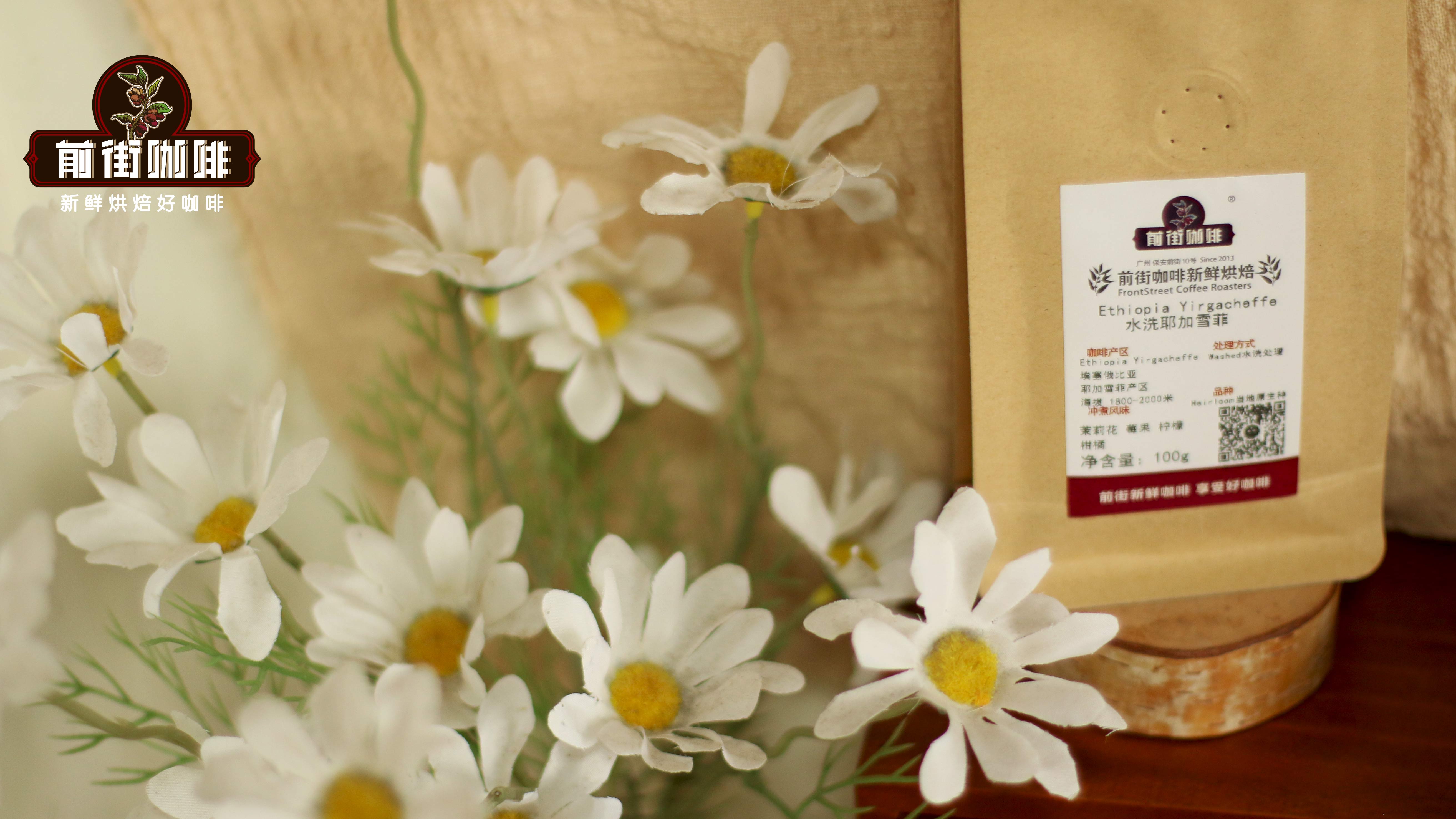
The Washed Technique of the Gotiti Cooperative
The name of the Gotiti Cooperative (Banko Gotiti) comes from a small village in the Gedeo region and is known for producing some of Ethiopia's finest coffee. Gotiti was originally part of the Worka Woka Cooperative under the Yirgacheffe Coffee Farmers Cooperative Union YCFCU (which includes 26 cooperatives and 45,000 members). Later, with its mature washed technique, it became independent in 2012 and grew into a widely known team.
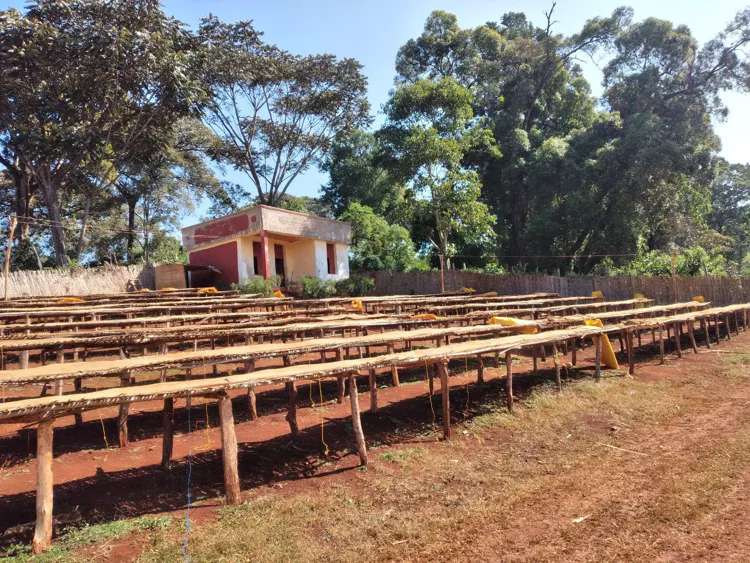
In traditional practice, after farmers harvest coffee cherries, they spread them directly on patios or the ground and rely on sunlight to dry them. Once the moisture content of the coffee fruit drops to about 12%, it can be hulled and bagged. This processing method easily gives the coffee beans earthy flavors, over-fermented notes, and rotten fruit flavors. To improve the defective flavors caused by sun-drying, Ethiopia introduced washed processing technology from Central and South America. Cooperative members sort, wash, ferment, and remove the skin and mucilage from purchased coffee cherries, then dry them on raised beds. Every step must be handled properly to ensure the quality of the final coffee.
Washed processing freed Yirgacheffe coffee from its previous inconsistent quality. After roasting, the flavor shows fresh citrus notes and elegant white floral aromas, and is overall bright and delicate. Because of this, Yirgacheffe became independent from the Sidamo producing region and became the renowned region it is today in the coffee world.
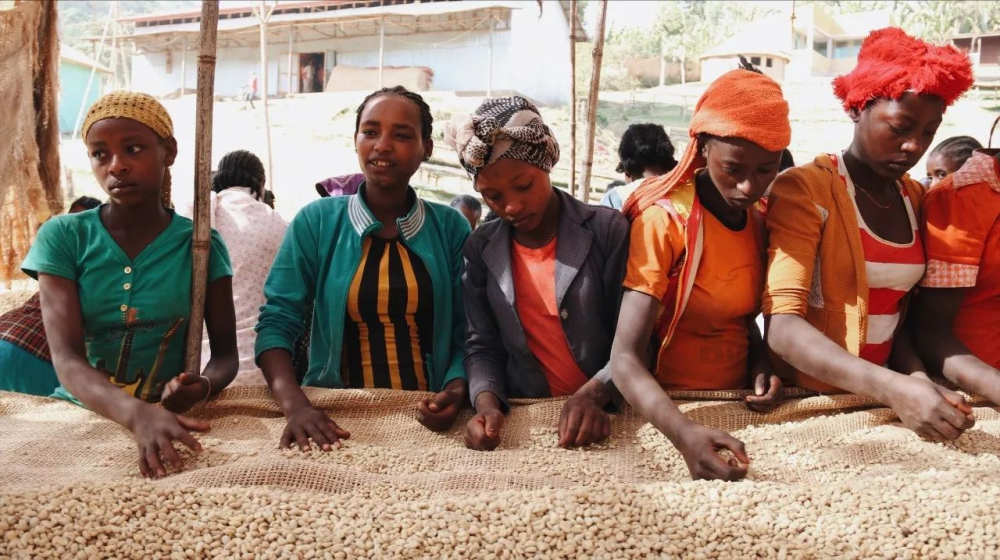
What flavor characteristics does natural Yirgacheffe have?
Ethiopia has high altitude, little rainfall, and long sunshine hours, making it very suitable for sun-drying green coffee beans. The so-called "natural method" is to harvest ripe coffee cherries and dry them directly in the sun. During the drying process, the sugars and aromas in the fruit pulp are fully retained and gradually penetrate into the green coffee beans. At the same time, the longer the sun-drying period, the more complete the fermentation. Because the natural method allows the coffee fruit to dry naturally, the coffee beans mature naturally inside the fruit without interference from the external environment. Therefore, naturally processed coffee beans amplify their own flavors, presenting obvious tropical fruit flavors, full fermentation, and sweetness. Front Street's Sunflower Warm Sun espresso blend includes 30% naturally processed Yirgacheffe Red Cherry coffee beans, carrying a berry-like sweet-and-tart charm.
Red Cherry Konga coffee originates from setting different harvest volumes for different microclimate plots during the harvest season, picking only 100% ripe red coffee cherries. Suitable ripeness combined with more refined processing techniques allows the coffee flavor to achieve a qualitative leap, and farmers also receive more generous compensation, creating a win-win situation for producers and consumers.
The Flavor and Mouthfeel of Yirgacheffe
Front Street believes that the greatest characteristic of Ethiopian coffee lies in its fruit acidity and floral aroma, praised by many coffee people as a "fruit bomb." Since such explosive fragrance is to be highlighted, the roast level naturally should not be too dark, so Front Street uses medium-light roasting to showcase the coffee's fruit notes.
Cup flavor:
The dry aroma of the washed Gotiti Cooperative coffee gives off fresh passion fruit, citrus, and berry acidity. The wet aroma is citrus and berries. On the palate, there is citrus acidity, berry sweetness, accompanied by almond and tea notes, with a honeyed sweetness in the finish. The body is low, the acidity is bright, and it is clean and refreshing.
The dry aroma of the natural Red Cherry coffee shows full berry sweet-and-tart notes. When slurped at different temperatures, one can perceive soft berry sweetness and acidity, the fermented note of ripe fruit, obvious honey sweetness, and a black tea finish, with a smooth mouthfeel.
If you want to taste the authentic Yirgacheffe flavor, pour-over extraction is especially suitable. But before brewing, make sure the coffee beans are fresh; a roast date within 4 to 45 days is best, and after that the aroma will weaken significantly. Front Street Yirgacheffe coffees are all freshly roasted within 5 days and support shipping within 24 hours, ensuring they are still in their flavorful state when they reach you.
Sharing Yirgacheffe Pour-Over Parameters
Dripper: V60 Water temperature: 92-93°C Dose: 15g Coffee-to-water ratio: 1:15 Grind size: fine granulated sugar size (sifting to 78% with a No. 20 sieve)
Three-stage pouring: first wet the coffee bed with twice the amount of water as the coffee grounds, and after a dome forms, let it bloom for 30 seconds. Then, using a thin stream, pour in circles from the inside out until 125g, then pause. When the coffee bed drops to halfway down the dripper, continue pouring the third stage with the same thin stream until 225g, until all the coffee liquid has been filtered through. Remove the dripper; the total time is about 2 minutes.
After Front Street washed Yirgacheffe coffee is ground, you can smell the fresh scent of honey and jasmine; after hot water is poured in, it begins to release traces of berry flavor. On the palate, the coffee is bright lemon, citrus, and green tea. As the temperature changes, it reveals a finish of berries, cream, and sugarcane, with obvious sweetness returning, and a clean, sweet mouthfeel.
The above content is compiled by CoffeeHunters, a coffee news website.


