







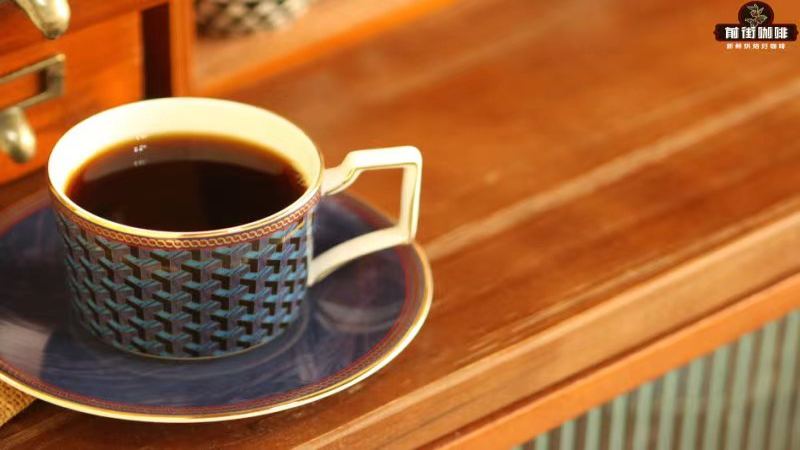
How Should Mandheling Be Brewed as a Dark Roast?
Mandheling is a dark-roasted Sumatra coffee, and pour-over should highlight its full body with herbal, chocolate, and caramel notes. Brew it with a slightly lower water temperature, a coarser grind, and staged pouring to avoid harsh bitterness. The name is not a place, port, or variety but a mistransliteration of the Mandailing people of Sumatra.
Indonesia's output is roughly ninety percent Robusta, with Arabica near ten percent, yet Mandheling and Golden Mandheling carry Indonesian coffee's reputation. Golden Mandheling and Lintong Mandheling differ in flavor, so adjust the coffee-to-water ratio, dripper, and extraction stages to keep sweetness long and layers clear.
Mandheling is a staple on the bean list of specialty coffee shops, and Front Street Coffee is no exception, offering a rich selection from everyday beans to Golden Mandheling, Tiger Mandheling, and even aged and natural versions. But many people are not satisfied with the flavor presentation of pour-over Mandheling—how should this dark-roasted bean be brewed to highlight its distinctive full body, herbal, chocolate, and caramel notes? Drawing on Front Street Coffee's actual production experience, this article first clarifies the origin of the name Mandheling and the classification of Sumatra producing regions, then compares the flavor differences between Golden Mandheling and Lintong Mandheling, and finally provides dripper choices, coffee-to-water ratio, water temperature, grind size, and staged extraction techniques suitable for dark-roasted beans, helping you consistently brew a cup of Mandheling with layered complexity and long-lasting sweetness at home.
Walking into any specialty coffee shop, you can almost always find Mandheling on the bean list, and Front Street Coffee is certainly no exception. Front Street currently offers several Mandheling options, including everyday-bean Mandheling, Golden Mandheling, and Tiger Mandheling, and has also previously carried Aged Mandheling and Natural Mandheling.
Indonesia's coffee industry is overwhelmingly dominated by Robusta, which accounts for about ninety percent of national production, while elegant-flavored Arabica makes up only about ten percent. Yet names such as Mandheling, Golden Mandheling, Lake Tawar, Mount Gayo, Aceh, Sulawesi, Aged Mandheling, and Old Brown Java have earned Indonesian coffee decades of renown in the specialty world, without being dragged down by inferior Robusta.
In word-of-mouth传播, Mandheling has almost become synonymous with Indonesian specialty coffee. But strictly speaking, it is neither a place name, a producing region name, a port name, nor a variety name, but rather a mistransliteration of the name of the Mandailing people who originally lived in Sumatra. Sumatra does have a Mandailing ethnic group, and research suggests they are a direct branch of the Batak people, who were skilled at growing coffee. Several centuries ago, the Mandailing gradually migrated southeast, moving away from Sumatra and becoming distant from the Batak. Interestingly, "Mandailing" is a dialect compound word meaning "lost mother," which seems to imply a remembrance of Batak bloodline. The actual situation is that those growing coffee in the mountains of north-central Sumatra today are the Batak, not the Mandailing. Tracing it to its roots, it might be more accurate to call Mandheling coffee Batak coffee, but by convention there is nothing objectionable about the established name.
The Mandheling coffee beans referred to by Front Street Coffee are produced on the island of Sumatra in Indonesia, Asia. Sumatra is the main producing region for Indonesian specialty coffee, and its coffee system is quite complex; Front Street simplifies it here into four types:
(1) The commonly known Mandheling, referring to semi-washed or natural beans from the Lintong mountain area at 900–1200 meters elevation around Lake Toba in north-central Sumatra and on the southwest coast, where the Batak are the main coffee farmers.
(2) Golden Mandheling, which undergoes four rounds of hand sorting and is graded higher than ordinary Mandheling.
(3) Lake Tawar coffee, referring to washed, semi-washed, or少量 natural beans near Lake Tawar in the Aceh region at the northernmost tip of Sumatra, in the Mount Gayo area at 800–1600 meters elevation. This region has invested considerably; the well-known Costa Rican La Minita estate once traveled far to teach semi-washed techniques here, and Dutch coffee groups have also promoted Gayo Mountain washed beans here.
(4) Aged Mandheling and Old Brown Java.
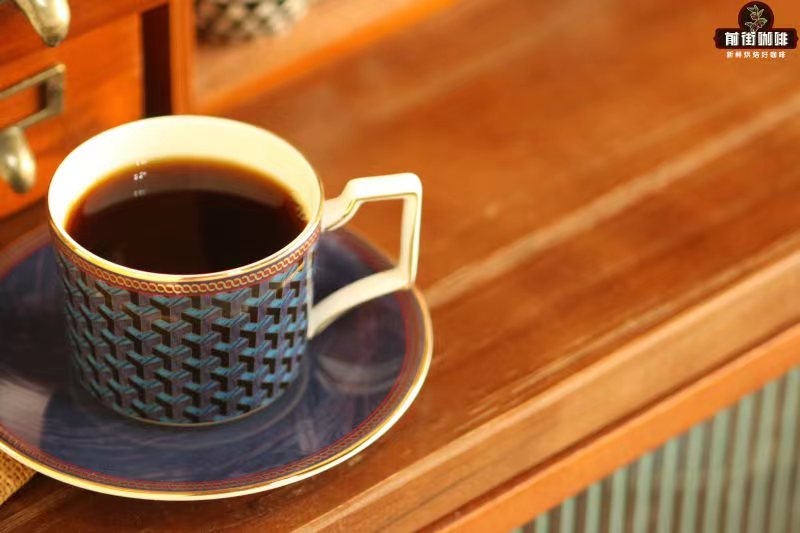
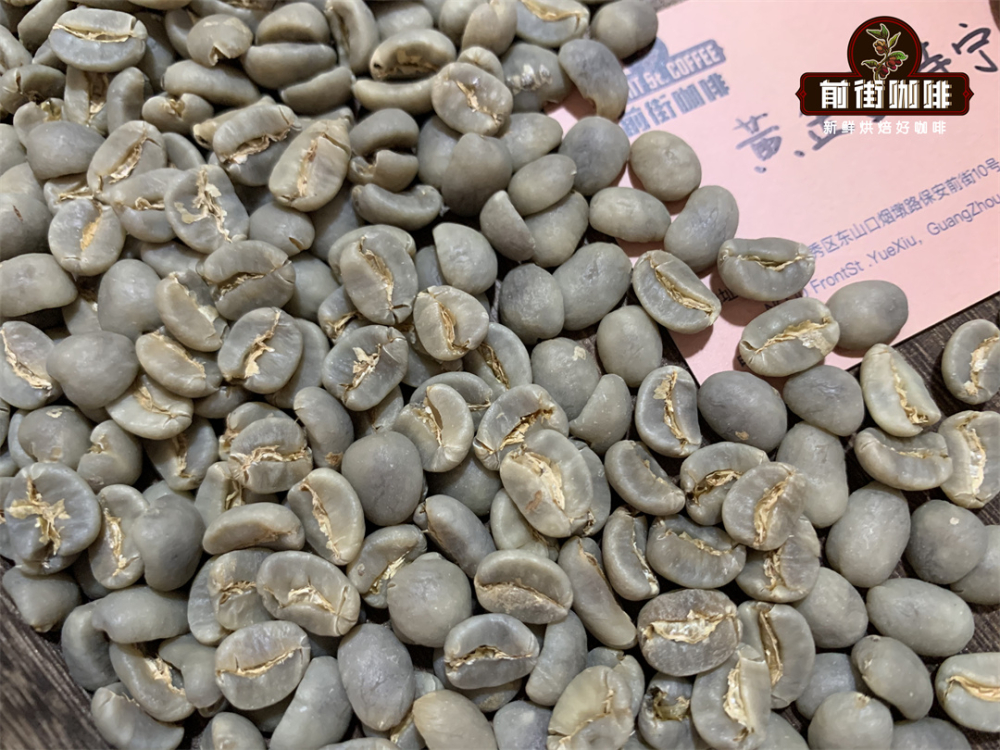
Having introduced Sumatra's Mandheling system, Front Street now compares the flavor differences between Golden Mandheling and ordinary entry-level everyday-bean Mandheling. Front Street Coffee's beans are all freshly roasted in-house, but coffee beans are not better the fresher they are; beans just after roasting taste noticeably harsh. To highlight Mandheling's best flavor, Front Street Coffee uses rested beans for pour-over production.
It should be noted that Mandheling is a dark-roasted coffee, so for pour-over Front Street uses a Kono dripper suitable for dark roasts and adopts Front Street's standard brewing parameters for medium-dark roasted coffee beans: coffee-to-water ratio 1:15, dose 15 grams, water temperature 88°C, and grind size based on a 70–75% passing rate through a No. 20 standard sieve.
Front Street uses staged extraction: first bloom with 30 grams of water for 30 seconds, then pour in a small stream in circles to 125 grams for one stage, and when the water level drops and is about to expose the coffee bed, continue pouring to 225 grams and stop; when the water level again drops and is about to expose the coffee bed, remove the dripper. Timing from the start of blooming, the V60 dripper extraction takes about 2 minutes 00 seconds, while the Kono dripper is slightly longer, about 2 minutes 10 seconds.
Golden Mandheling Region: Gayo Mountain, Aceh, Sumatra Altitude: 1100-1600 meters Variety: Ateng Grade: G1, 3 times hand-sorted Processing method: wet-hulled Flavor: spice, herbal, caramel, pine, nut, chocolate
After brewing, Golden Mandheling has layered and varied flavors, full-bodied and clean, highly balanced, with rich nut and caramel aroma, a chocolate note, and a long finish.
Lintong Mandheling Region: Lintong producing region, Sumatra Altitude: 1100-1600 meters Variety: Tim Tim, Ateng Processing method: wet-hulled Flavor: baked toast, nut, caramel, pine, herbal
After brewing, Lintong Mandheling enters the mouth with herbal and medicinal plant notes, dark chocolate, caramel, and a sweet aftertaste.
For professional coffee knowledge exchange and more coffee bean information, please follow Coffee Workshop (WeChat public account cafe_style)
For more specialty coffee beans, please add the private WeChat of Front Street Coffee, WeChat ID: qjcoffeex
The above content is compiled by CoffeeHunters, a coffee news website.


