







How Do Beginners Choose a Green Coffee Bean Worth Buying?
Choosing beans starts with the roast date, because green coffee bean quality peaks within a window after roasting rather than lasting a year like instant coffee. Freshly roasted beans taste harsh, with sharp acidity, rounded sweetness still missing, and an astringent bite. Waiting through the rest period lets carbon dioxide escape and the flavor settle before brewing begins.
Roasting is both a chemical and a physical change. Each kilogram of beans releases roughly 6 to 10 liters of carbon dioxide, about 1 to 1.2 percent of total weight, and around 35 percent of that leaves within the first three days. After that, origin information matters most, since African, Latin American, and Asian beans each carry distinct flavor traits for new drinkers.
Friends new to coffee often ask: how can I choose coffee beans that suit my taste? This article begins with the storage and flavor window of specialty coffee, helping beginners understand the optimal drinking window after roasting, then further explains which origin information to look for when buying, and finally uses the seven major regional staple beans launched by Front Street as examples to introduce the flavor characteristics of Africa, Latin America, and Asia, so that beginners can quickly identify the coffee flavor that suits them.
Coffee, along with cocoa and tea, is one of the world's three major beverages, and it continues to attract wave after wave of new consumers into the world of coffee culture. Many coffee enthusiasts who are just starting out come to ask Front Street how exactly to choose coffee beans that match their own taste, and which coffees are more suitable for beginners to try. So Front Street wrote this article specifically to talk about how new coffee fans should choose coffee.
Before understanding the selection and brewing of specialty coffee beans, many beginners may have only drunk instant coffee. The shelf life of instant coffee is mostly around one year, so some coffee fans came to ask Front Street: can specialty coffee beans also be stored for that long?
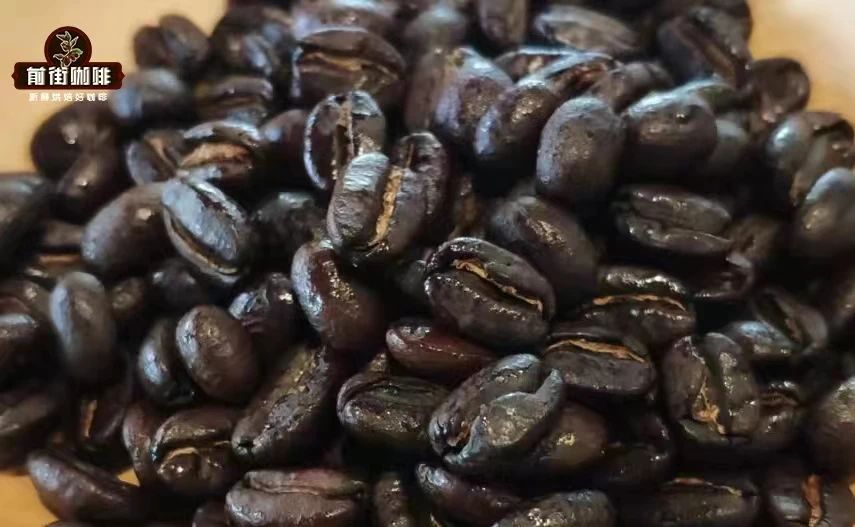
The answer is no. Green coffee beans must be roasted before they can be used for brewing, and freshly roasted coffee beans from Front Street have a "harsh" quality, specifically manifesting as acidity that is rather sharp and not round enough, while sweetness has also not reached an ideal state. If brewed at this point, it tends to taste astringent on the palate, and the flavor performance is not good. So roasting itself involves both chemical reactions and physical changes.
According to Front Street's roasting experience, each kilogram of coffee beans releases about 6 to 10 liters of carbon dioxide in a non-saturated environment, equivalent to 1% to 1.2% of the beans' total weight. About 35% of this is released within the first three days after roasting, so freshly roasted beans are not suitable for immediate brewing. In addition, although coffee beans are isolated from outside air after being bagged, the air inside the bag still continues to participate in chemical reactions, and the aroma and mouthfeel also change over time. For example, Front Street's Flower Butterfly has floral notes, and Yirgacheffe has berry notes, and aroma is precisely the charm of single-origin coffee. Unfortunately, beautiful things are often short-lived, and single-origin coffee is no exception. Usually after a month, the aroma gradually dissipates. Therefore, Front Street recommends that coffee fans be sure to finish the beans within one month after buying them, because the best flavor window for fresh coffee is 2 to 3 weeks, and about one week after roasting is the peak of flavor. If coffee fans purchased from Front Street's official Taobao store, the week they receive the beans is generally within the best flavor window. At Front Street's shop, the freshest beans are used every day to serve all coffee fans.
In summary, the flavor window of coffee beans is 15 to 30 days from the completion of roasting, and some beans can be extended to about 45 days with proper storage. Therefore, what we call "expired" is usually based on a 30-day boundary. At this point, the degassing of the coffee beans has basically ended, and medium-dark to dark roasted beans will slightly "release oil." But if improper storage causes severe oil release, or if it smells only of wood, then this batch of beans is no longer suitable for continued drinking.
Front Street also wants to emphasize one point: once coffee beans pass their flavor window, they are equivalent to stale beans, because they not only lose good flavors but also develop bad ones. In addition, although today's specialty coffee has no explicit regulation, it has generally set the roast level between medium-light and medium-dark, with more than 80% being medium-light or medium roast, and Japanese-style roasting does not even appear. The reason is that the heavier the roast (the longer the time and the higher the temperature), the shorter the flavor window; and the floral, fruity acidity, nutty, chocolate, and creamy flavors presented by medium-light or medium roast also decrease in aroma over time.
Pay attention to origin information when buying coffee
When choosing coffee beans, Front Street reminds coffee fans to be sure to pay attention to origin information, from the country and region down to the estate name. This is because some shops may pass off coffee from non-origin sources, or only indicate the country without mentioning the estate, which usually means beans from a large producing region and makes quality hard to guarantee. Origin coffee itself is also divided into commercial grade and specialty grade, so simply writing "Ethiopia" does not necessarily mean it is specialty coffee. It is best if the beans can be specific to the producing region and traceable to their origin; such beans are usually not too bad, and this is exactly how Front Street's coffee beans are handled. After all, good coffee is not afraid of being understood; what it fears is that coffee fans will not try to understand it.
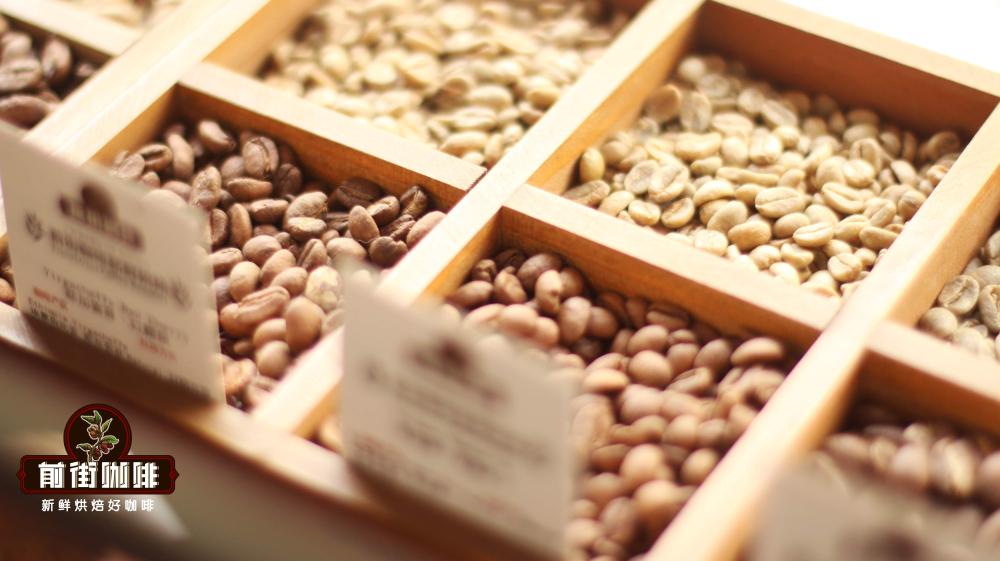
Another point is to pay attention to whether the packaging date is recent. The shelf life of green coffee beans is generally one to two years, and the freshness period of roasted beans is within two months, so you should choose freshly roasted coffee beans and use them within the freshness period, so that you can enjoy coffee's most captivating aroma and rich mouthfeel. Freshly roasted coffee beans contain a large amount of gas in the bean body and have vigorous respiration, so during extraction the gas is released, and we can see full and beautiful bubbles; while some light-roasted beans have less obvious bubbles.
Coffee staple beans—understanding regional flavors
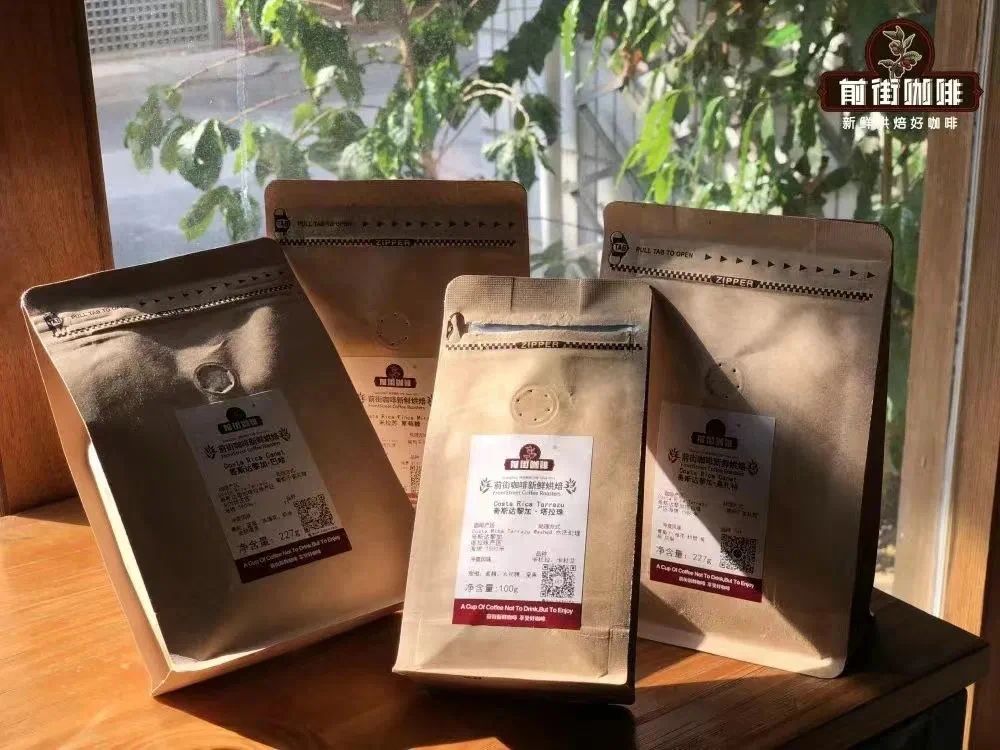
Because many beginner coffee fans do not know how to choose coffee beans, Front Street has specially launched coffee beans from seven producing regions as staple beans for everyone to try. These staple beans come from three continents: Asia, Latin America, and Africa, each with its own flavor. African producing regions are known for fragrant and intense fruitiness, Asian producing regions focus on rich flavors, and Latin America combines richness with berry notes. Front Street specifically selected the producing regions that best represent the flavor characteristics of these three continents, and they will be introduced one by one below.
First, introducing specialty coffee beans from Latin America, including Brazil Red Fruit, Colombia Huila, Costa Rica Tarrazu, and Guatemala Huehuetenango.
Front Street Brazil Cerrado Red Bourbon Coffee Beans
Country: Brazil
Region: South Minas
Altitude: 1000 meters
Variety: Red Bourbon
Processing Method: Semi-washed
Flavor: Nuts, chocolate, cream, peanut, caramel
Front Street Colombia Huila Coffee Beans
Country: Colombia
Region: Huila
Altitude: 1500-1800 meters
Variety: Caturra
Processing Method: Washed
Flavor: Nuts, dark chocolate, caramel, soft fruity acidity
Front Street Costa Rica Tarrazu Coffee Beans
Country: Costa Rica
Region: Tarrazu
Altitude: 1500 meters
Variety: Caturra, Catuai
Processing Method: Washed
Flavor: Sweet orange, honey, toffee, nuts
Front Street Ethiopia Yirgacheffe Coffee Beans
Country: Ethiopia
Region: Yirgacheffe
Altitude: 1800-2000 meters
Variety: Local heirloom varieties
Processing Method: Washed
Flavor: Jasmine, berries, lemon, citrus
Front Street Indonesia Lintong Mandheling Coffee Beans
Country: Indonesia
Region: Sumatra Lintong
Altitude: 1100-1600 meters
Variety: Typica, Caturra
Processing Method: Wet-hulled
Flavor: Toasted bread, nuts, caramel, pine, herbs
Front Street Yunnan Small-Bean Coffee Beans
Country: China
Region: Yunnan Baoshan
Altitude: 1200 meters
Variety: Catimor
Processing Method: Washed
Flavor: Melon and fruit aroma, sweet melon, brown sugar, plum acidity, black tea sensation
The above content is compiled by CoffeeHunters, a coffee news website.


