







What Is Cold Brew Coffee and How Should You Brew It?
Cold drip coffee is made by letting ice water fall through a bed of coffee grounds one drop at a time. Because the water stays cold, astringent compounds dissolve slowly, so the cup tastes rich and mellow without bitterness. The long extraction explains why cold drip costs more than ordinary iced coffee in cafes.
Cold drip, cold brew and Dutch coffee are often confused: Dutch coffee is the umbrella term, and both cold drip and cold brew belong to it. Key parameters include the coffee-to-water ratio and the drip flow rate, and medium-light roasted beans such as Natural Huakui, Butterfly, Strawberry Candy and Fruit Ding Ding are suited to cold drip brewing.
On a scorching summer day, a glass of cold drip coffee always brings a refreshing, invigorating coolness. Yet why is cold drip coffee so expensive? How does it differ from cold brew coffee and Dutch coffee? This article will break down in detail the origins, principles, and optimal tasting period of cold drip coffee, with a focus on key brewing parameters such as the coffee-to-water ratio and drip flow rate. At the same time, Front Street Coffee will recommend medium-light roasted coffee beans suitable for cold drip based on daily brewing experience, including Natural Huakui, Butterfly, Strawberry Candy, and Fruit Ding Ding, helping you make a rich and sweet cup of cold drip coffee at home.
For more specialty coffee knowledge, please follow our WeChat official account: Front Street Coffee
In the height of summer, iced coffee becomes many people's top choice for cooling off. But when you walk into a café to order, you'll find that cold drip coffee is often priced considerably higher than regular iced coffee. This isn't just because the name sounds more upscale—the lengthy extraction process behind cold drip coffee, along with its outstandingly sweet and mellow flavor, is the real reason it commands a higher price.
What exactly is cold drip coffee?
Simply put, cold drip coffee is an extraction method in which ice water drips through a bed of coffee grounds one drop at a time. Different water temperatures draw out entirely different flavors from the coffee. In a low-temperature environment, the astringent compounds in coffee are not easily dissolved, so the finished cup is rich yet not astringent, mellow without bitterness, round and smooth—making it an excellent choice for making iced coffee.
The historical origins and working principles of cold drip coffee
Before delving deeper, it's necessary to first clarify three easily confused terms:
Cold drip coffee;
Cold brew coffee;
Dutch Coffee.
In summary, Dutch Coffee is an umbrella term; both cold drip coffee and cold brew coffee fall under the category of Dutch Coffee, and their methods likewise originate from the Dutch Coffee system. The definition of Dutch Coffee is simply: brewing coffee grounds with cold water.
"In the seventeenth century, Dutch sailors transported coffee beans back to Europe from the then-colony of Indonesia. With no hot water aboard, they couldn't make hot coffee, so they came up with the idea of extracting with ice water. Cold-water-extracted coffee tasted mild and smooth, full of aroma, and was loved not only by the sailors but also by ordinary people."
This widely circulated origin story of cold drip coffee was actually fabricated by Japanese coffee practitioners to promote cold drip coffee pots—it's a marketing tactic.
In reality, in Western countries including the Netherlands, the mainstream method is not the Japanese-style drip method (ice water falling drop by drop), but rather the so-called "Cold-Brew" method—a cold extraction in which coffee grounds are soaked in cold water for an extended period. Moreover, the West originally had no such term as "Dutch Coffee"; it was only later that coffee industry players, upon hearing the Japanese-style origin story of cold drip coffee, applied it to marketing.
The basic structure and principles of a cold drip coffee pot
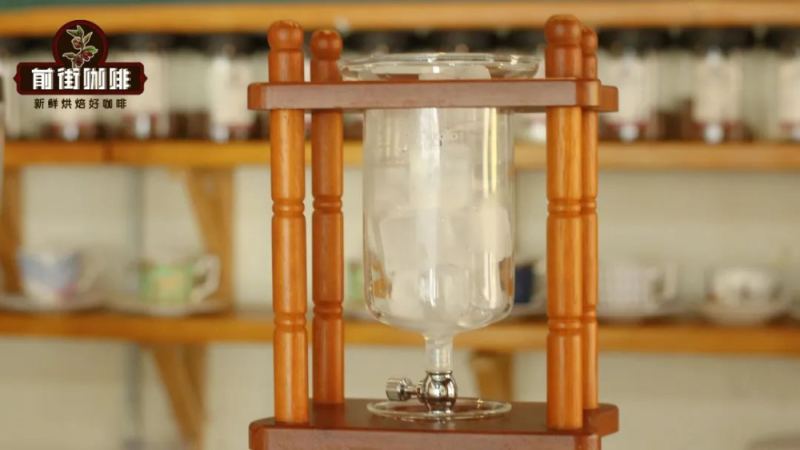
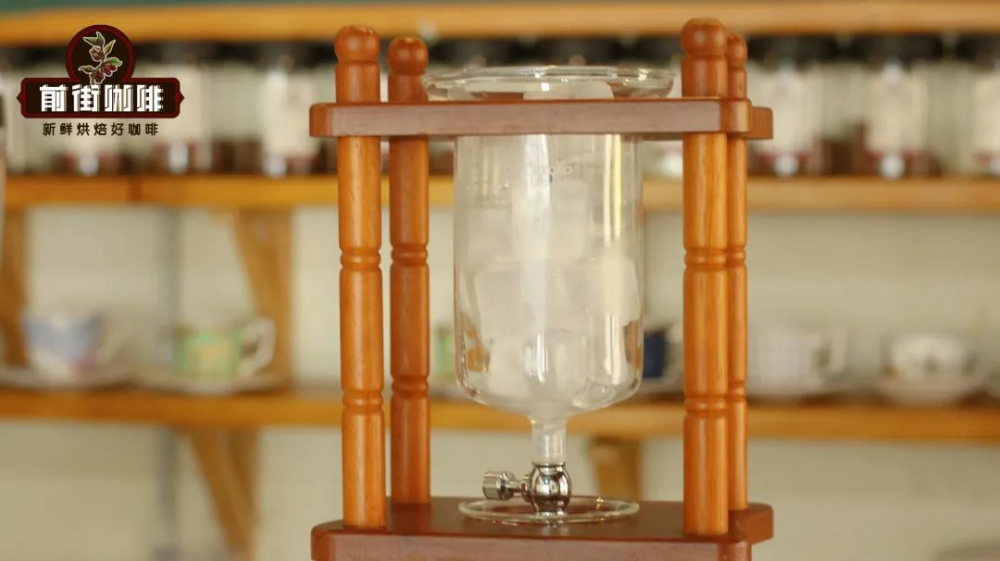
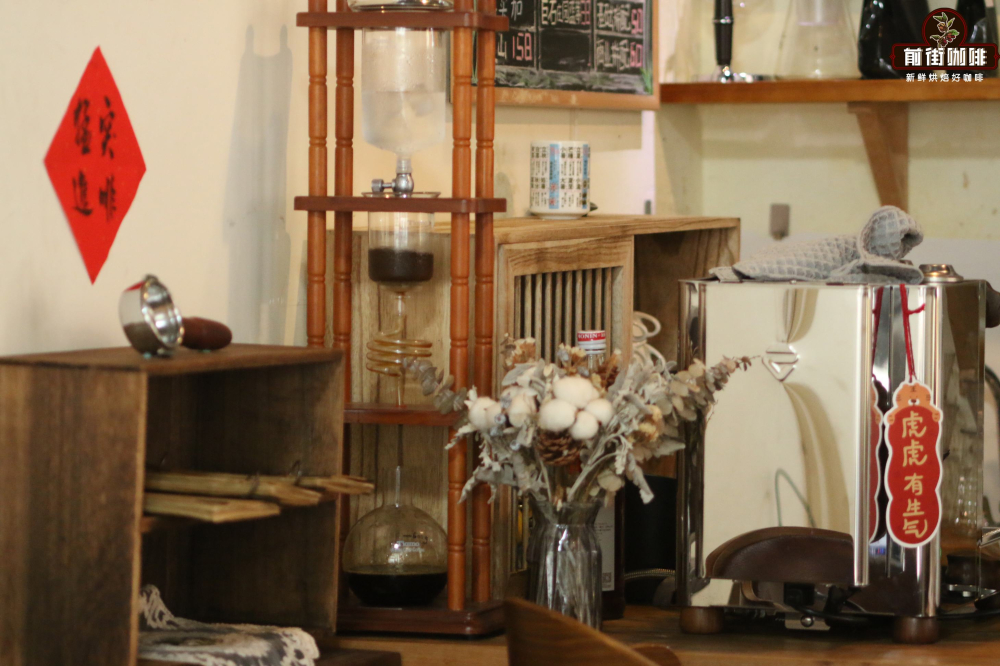
Cold drip coffee needs to be refrigerated and aged before drinking, which is why it's also hailed as "the fine wine of coffee." The pot is divided into three tiers—top, middle, and bottom—holding, in order, water at zero-degree ice temperature, coffee grounds, and the dripped coffee liquid, making it a continuous multi-pass extraction method.
Even under completely identical extraction conditions, cold drip coffee tastes vastly different depending on the aging period. During aging, the molecules of coffee compounds gradually grow larger, making the mouthfeel smoother than when freshly extracted. Cold drip coffee extracted under the same conditions, left to sit for one day, one week, or ten days, will each have different flavors and aromas, and everyone has their own preferred aging time.
The optimal tasting period for cold drip coffee
Based on Front Street Coffee's daily experience making and selling cold drip coffee, the best stage for cold drip coffee flavor is within 24 to 72 hours after production and refrigeration. Usually, after more than 72 hours, although the coffee's mouthfeel may improve and become fuller, the aroma will grow progressively weaker. Therefore, it's recommended to finish drinking within 72 hours after extraction is complete.
Recommended coffee beans for making cold drip
Cold drip is a low-temperature extraction, and low temperatures inhibit the release of heavy-molecular substances. Some dark-roasted coffee beans that are rich and sweet when extracted by hand pour at high temperatures become thin and flavorless when made into cold drip. Therefore, medium-light to medium roast coffee beans are more suitable for making cold drip coffee.
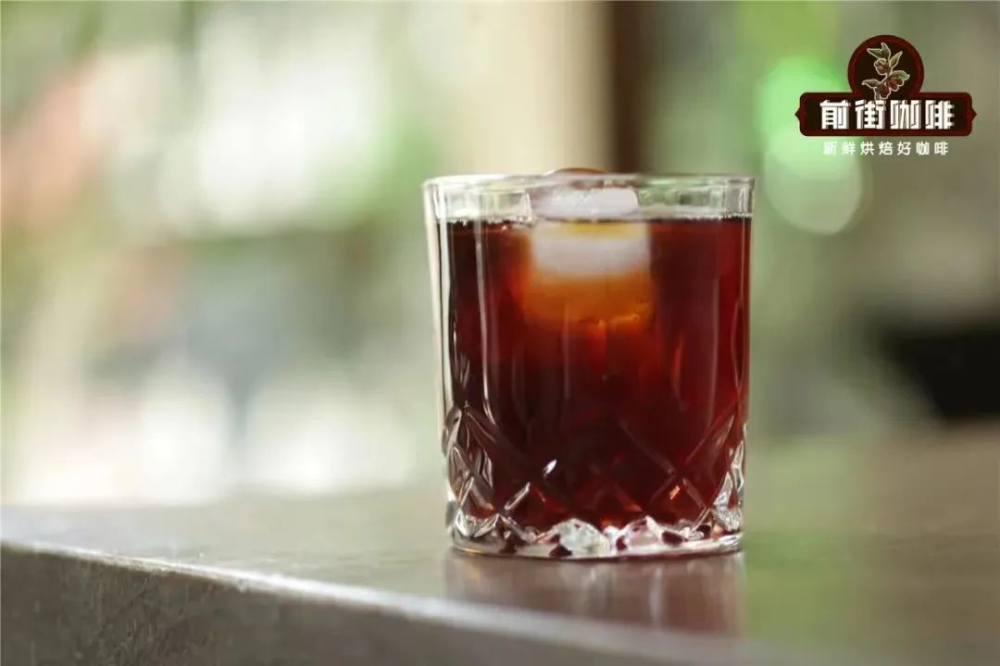
Coffee at these roast levels generally retains more small- and medium-molecular sweet-and-sour compounds, and prolonged low-temperature extraction allows these compounds to be released more fully, resulting in coffee that is fresh and clean in taste while also full and richly flavored in mouthfeel.
When making cold drip coffee at Front Street Coffee's stores, we usually use our own freshly roasted coffee beans. Only freshly roasted beans can deliver richer flavor and aroma. All coffee beans sold by Front Street Coffee are shipped within five days of roasting.
For making cold drip coffee, we recommend using the medium-light roasted "Front Street Natural Huakui Coffee Beans," which presents a full-bodied mixed berry juice character, pleasant sweetness and acidity, a slight fruit-wine-like fermented note, and a black-tea-like sweet aftertaste.
Alternatively, you can use the medium-roasted "Front Street Butterfly Coffee Beans," which present the delicate fragrance of white flowers, the clean acidity of citrus fruits, and the caramel sweetness of roasted sweet potato along with a green-tea-like sweet aftertaste.
Many people believe that medium-roasted coffee beans are best for cold brew because they have balanced aroma and flavor. If you like a balanced-tasting cold brew, you can buy Front Street Strawberry Candy; it naturally carries rich floral and fruity aromas, and in cold brew it will show good sweetness, acidity, and a sweet aftertaste, with grape and blueberry flavors very prominent.
Front Street generally uses light-roasted coffee to make cold drip coffee. Light-roasted coffee has relatively strong acidity, which is also why Front Street recommends using this kind of coffee for cold brew. Our first choice is Front Street Fruit Ding Ding, because it carries distinct jasmine fragrance and sweet orange flavors; the resulting iced coffee has a crystal-clear mouthfeel with a green-tea-like character in its lingering charm. Chilling it for more than 16 hours will reduce the acidity, letting you drink a smooth and full-flavored coffee.
Steps for making cold drip coffee at home
1) Place the coffee grounds into the middle pot
Since cold drip coffee cannot extract a large amount of aromatic substances from coffee grounds using high temperatures—especially the large-molecular aromatic compounds that medium-dark roasts rely on, which are difficult to dissolve in ice water—coffee beans that are light-to-medium roasted with rich floral and fruity aromas, pronounced sweetness and acidity, or a wine-like fragrance are usually chosen.
Therefore, the coffee grounds should be ground to a medium-fine consistency (75% passing through a Chinese No. 20 standard sieve, roughly the size of fine granulated sugar). After adding the coffee grounds, remember to place a circular filter paper on the surface to help distribute the water flow.
2) Place ice cubes in the top pot.
Use an ice-water mixture below 5 degrees Celsius for dripping. A special reminder: before starting the drip, the coffee grounds must be pre-wetted completely to avoid channeling, which would prevent water droplets from passing evenly through all the coffee grounds.
3) Control the drip flow rate
Controlling the drip flow rate is a crucial part of making cold drip coffee. If the water drips too fast, extraction will be insufficient and the coffee will be very weak with no aroma. Conversely, if the flow is too slow, the coffee will over-ferment, producing sourness or an alcoholic taste. Based on experimental results, Front Street Coffee recommends adjusting the cold drip coffee pot's flow rate controller to the optimal flow rate: 7 drops every 10 seconds.
4) The extraction ratio for cold drip coffee
The water-to-coffee ratio for cold drip coffee is roughly between 1:8 and 1:10. If using 100 grams of coffee grounds, then the mixture of ice cubes and water placed in the top pot should weigh approximately 800 to 1000 grams (a 1:1 ice-to-water ratio is recommended).
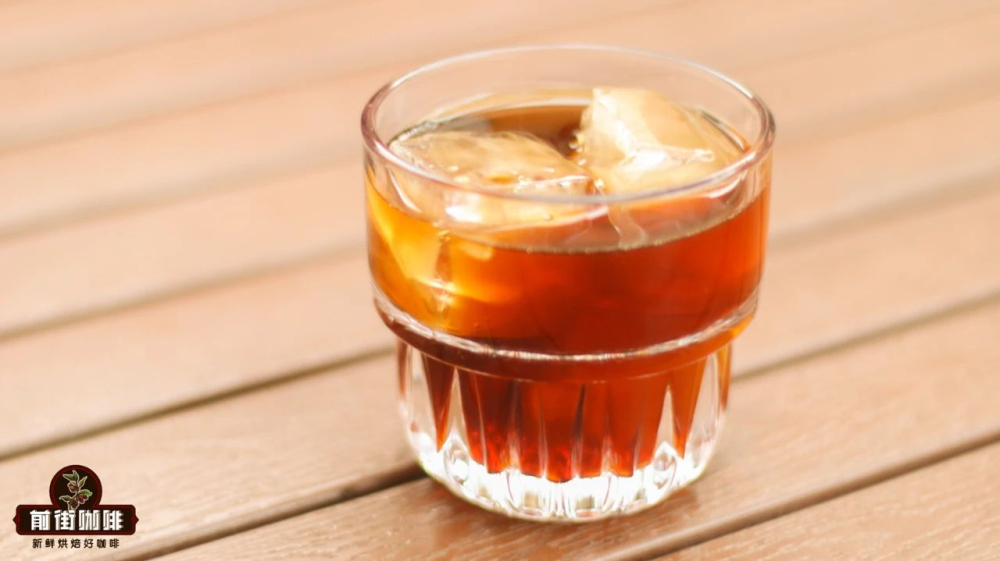
5) Wait for extraction
The most distinctive feature of cold drip coffee is the long wait; depending on the amount of coffee grounds and ice, it basically takes 3.5 to 12 hours.
6) Refrigerate for storage
After the cold drip process is complete, the coffee liquid is usually poured into a clean, sealed glass jar, tightly covered, and placed in the refrigerator to chill for a period of time; this enhances the coffee's aroma, sweet lingering charm, and fermented note.
The above content is compiled by CoffeeHunters, a coffee news website.


