







What coffee-to-water ratio and grind does an American coffee maker need?
An Americano made at home with a drip coffee maker follows a simple path: hot water passes through a bed of ground coffee, and the strength is set mainly by the coffee-to-water ratio and the grind size. Coffee shops build the drink differently, pulling espresso and then diluting it with water, which is why the two versions taste so unlike each other.
For the espresso route, one reference point is 20 grams of coffee ground to yield 40 grams of espresso liquid, diluted with 200 milliliters of water, a coffee-to-water ratio of about 1:5. Household drip machines instead extract directly, so a slightly coarser grind and a measured scoop of grounds keep the cup balanced instead of thin or bitter.
Americano is extremely common in everyday drinking, and it mainly comes in two forms: espresso diluted with water as made in coffee shops, and direct extraction using a household American-style drip machine. In this article, Front Street Coffee breaks down the principles and operational differences between these two methods in detail, and offers practical suggestions on powder-to-water ratio, grind size, and coffee bean selection for using an American-style coffee machine. If you are currently using an American-style drip machine, or want to understand the difference between coffee shop Americanos and home-brewed Americanos, this article provides a complete reference from equipment principles to specific parameters, along with flavor recommendations for several Front Street coffee beans, helping you make a cup of Americano to your taste at home.
Americano can be said to be one of the most frequently seen coffee drinks in daily life. It usually has two brewing paths: one produced by coffee shops, and the other made with an American-style drip machine. This time, Front Street will talk about the characteristics and differences of each of these two methods.
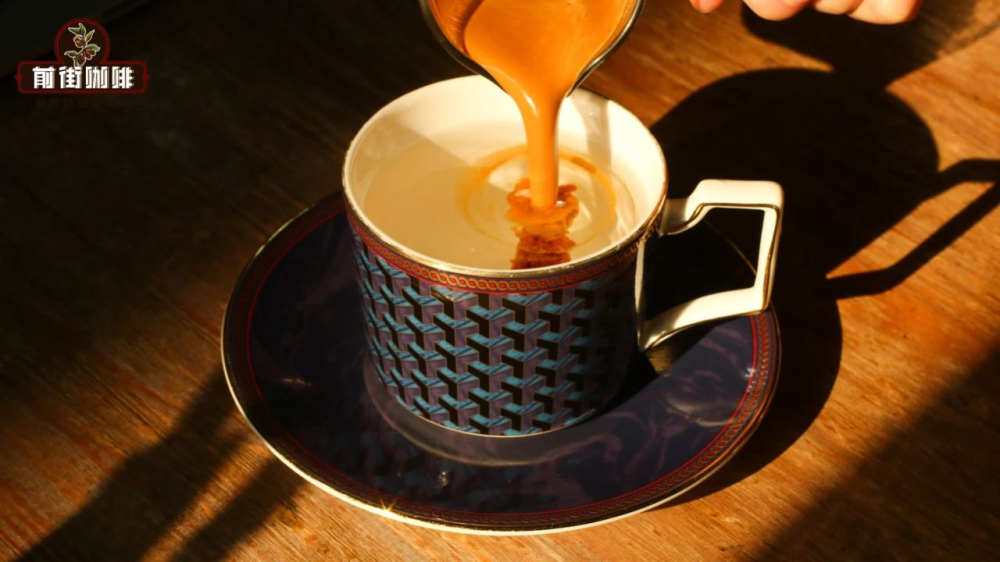
The Americano in coffee shops essentially belongs to the category of espresso coffee. It is said that this method originated from a piece of history: Americans were used to drinking the light coffee produced by drip brewing, while Italians preferred espresso. After World War II, Italian immigrants arrived in the United States, and in order to cater to local taste preferences, they diluted espresso with water to lower its strength, turning it into a flavor more easily accepted by Americans. Over time, this method of dilution with water became the mainstream way of making Americanos in coffee shops.
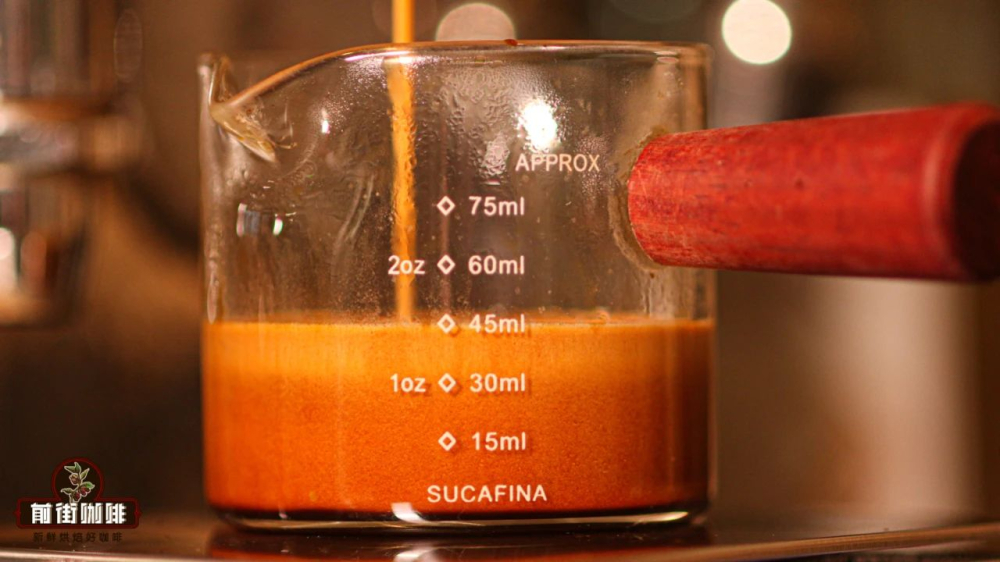
Making this kind of Americano requires an espresso machine. Coffee shops usually have one, but ordinary households rarely own one, mainly because the price is relatively high. However, its advantages are also obvious—the output speed is extremely fast, and a cup can be completed in a short time. Taking the output of Front Street Coffee (FrontStreet Coffee) as an example: Front Street uses 20 grams of coffee powder to extract 40 grams of espresso liquid, then adds 200 milliliters of water to dilute it, for a ratio of coffee liquid to water of 1:5. The Americano adjusted this way retains both flavor and mouthfeel, and will not make people feel uncomfortable due to excessive strength.
When Front Street makes this Americano, it uses Front Street Classic Espresso Blend coffee beans, with flavor notes of creamy chocolate, nuts, and maple syrup, rich crema, and a smooth entry.
If using an American-style coffee machine, Front Street recommends giving priority to medium-roast coffee beans, which can avoid the output being too bitter or too sour. If you are unsure how to choose, you can refer to the bean selection directions given by Front Street below:
1. For those who prefer tropical fruit and fermented wine aroma types, you can look at Front Street Strawberry Candy coffee beans, where you can sense the layered aromas of roses, raisins, strawberry gummies, and ripe blueberries during brewing; you can also try Front Street Colombia Finca La Divisoria Sidra coffee beans, with rich variations of passion fruit, grapes, apricot, citrus, and chocolate.
2. If you like low-acidity and balanced types, Front Street Bird of Paradise coffee beans are recommended, produced in Papua New Guinea, presenting flavors of nuts, dark cocoa, caramel, and almonds, with an overall balanced taste and soft citrus acidity;
3. If you prefer a rich or full-bodied mouthfeel, it is suggested to choose Front Street Brazil Queen's Estate coffee beans, which when extracted with a fully automatic coffee machine have flavors of roasted peanuts, dark chocolate, cream, and sucrose, with a standout sweet aftertaste.
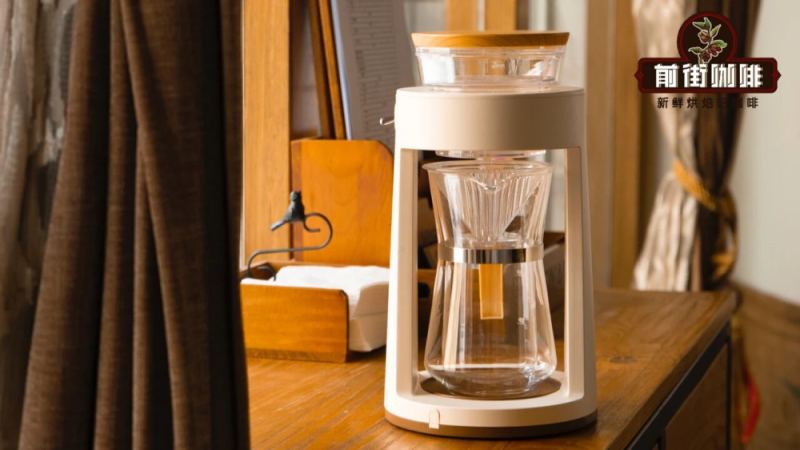
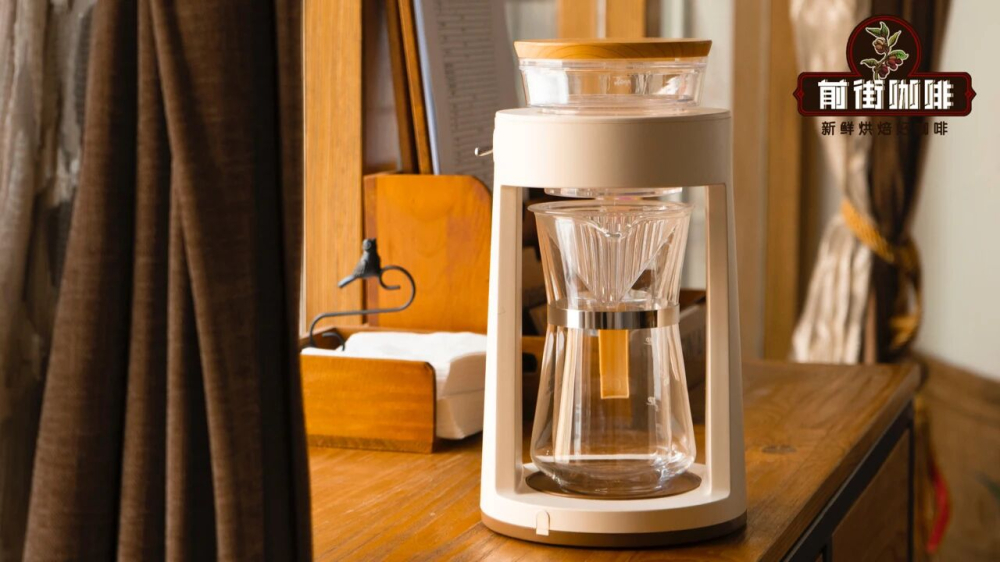
The working method of an American-style drip machine is somewhat similar to pour-over coffee, and it also belongs to drip extraction. The difference is that the American-style drip machine relies on programs preset by the manufacturer to operate, and there is not much room for adjustment. For people who are not good at brewing coffee, it is a worry-free device; but for people who like to adjust brewing parameters themselves, the American-style machine seems somewhat inflexible.
Common application scenarios for American-style coffee machines include offices, homes, and some Western breakfast shops. The operation process of an American-style drip pot is very simple. For ease of horizontal comparison, Sunflower Warm Sun Blend coffee beans are also used here. The grind size is consistent with pour-over, based on an 80% pass rate through a No. 20 standard sieve. The container that holds the powder in an American-style drip machine is generally a metal filter; if you want to improve cleanliness, you can add a trapezoidal paper filter.
As for the amount of powder, according to the standard of common American-style machines, every 5 grams of coffee powder corresponds to 100 milliliters of water. This time, 20 grams of coffee powder is used, so 400 milliliters of water needs to be added. Put the bottom pot back into the coffee machine, close the top cover of the machine, pour in 20 grams of coffee powder, then add 400 milliliters of hot water to the water tank. After covering the lid, press the start button, and the American-style drip machine begins extraction.
Water flows down from the water tank, enters the U-shaped heating tube, and after being heated to 100°C, with the action of water pressure and temperature pressure, the hot water at the very front is pushed into the water outlet pipe, then sprayed out from the water outlet; the hot water drips onto the coffee powder in the filter, and after full soaking and extraction, flows into the bottom pot. After about 5 to 8 minutes, a pot of American-style drip coffee is ready.
The coffee made by an American-style drip pot tastes relatively light, and in mouthfeel it is very close to the light, slightly coffee-flavored feeling Americans prefer. It is suitable for pairing with breakfast, and also suitable for waking up in the afternoon.
The advantage of an American-style drip coffee machine lies in its low operating threshold; you do not need to master much coffee knowledge to make a decent cup of coffee. At the same time, it can also adapt to different types of coffee beans, and after changing beans, the output flavor will change accordingly.
The above content is compiled by CoffeeHunters, a coffee news website.


