







What Varieties Grow in Yunnan Coffee Regions?
Yunnan is China's most representative Arabica-producing region, and Catimor now dominates local plantings. Catimor, a cross of Timor and Caturra, resists disease and yields well, but its cup profile still draws debate. Early Yunnan plantings used Typica, and the shift to Catimor explains much about how the region's coffee tastes today.
Yunnan small-bean coffee refers to Catimor lots, a name originally tied to pure Arabica from Ethiopia or the Arabian Peninsula. Yunnan coffee has improved year by year and more specialty shops now prioritize it, though the region has not fully met every specialty standard. Huaguoshan Typica and small-bean lots show the range, and arabica coffee remains the only viable species in these limited growing zones.
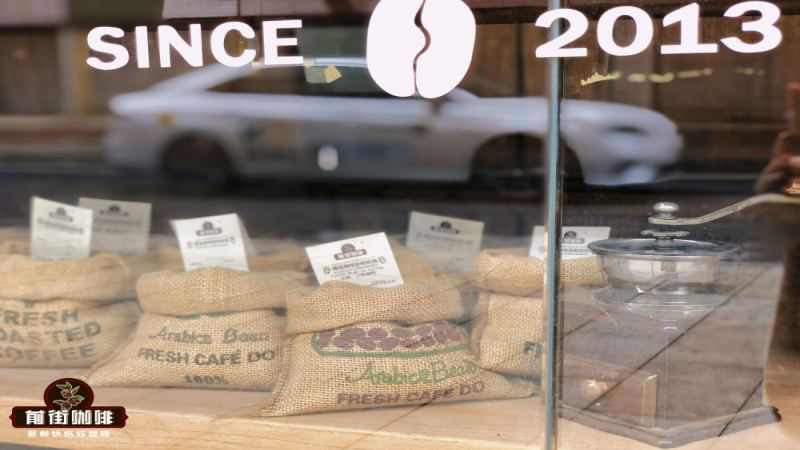
Yunnan, as China's most representative Arabica-producing region, has made remarkable progress on the specialty coffee path in recent years. Front Street Coffee has been rooted in Lincang, Yunnan since 2013, personally participating in cultivation and promotion. This article will review the variety evolution of Yunnan coffee—from the early Typica to the Catimor now planted on a large scale, analyzing its disease-resistant and high-yield characteristics along with the controversies over its flavor, and, combined with Front Street's cupping and brewing experiments, describe in detail the taste performance of Yunnan small-bean coffee and Huaguoshan Typica. It will also introduce product information, brewing parameters, and bean-resting suggestions for Front Street's Yunnan Natural Typica, helping coffee enthusiasts gain a comprehensive understanding of the current state and potential of Yunnan beans.
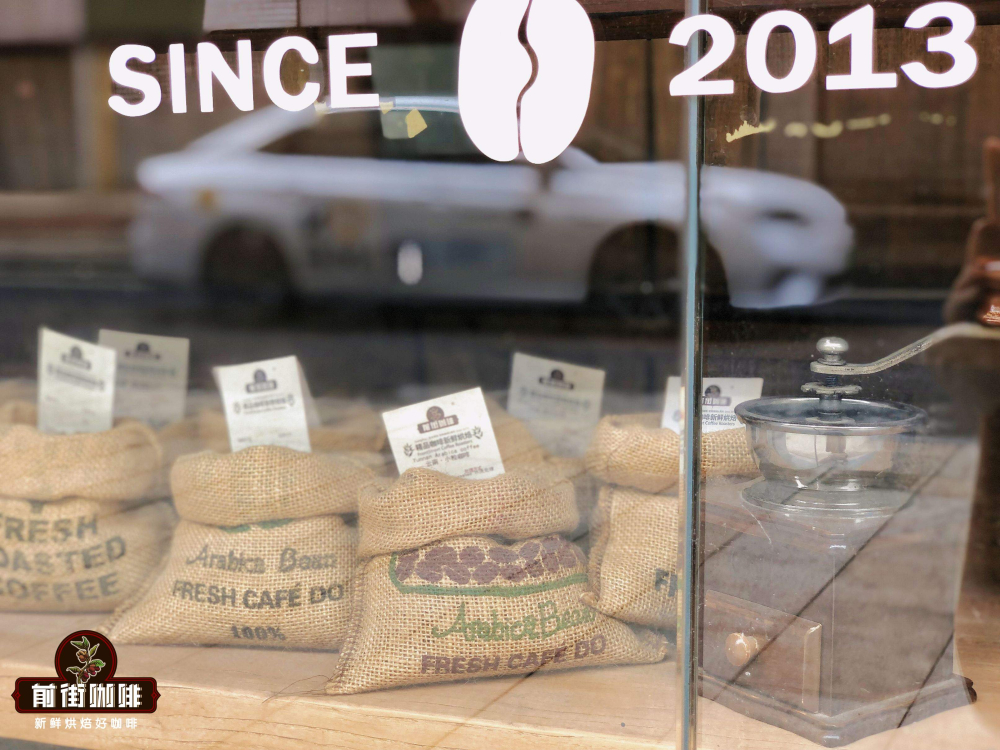
In recent years, Yunnan coffee has continued to rise in attention. The areas in China where Arabica coffee can be grown are already limited, and regions famous for coffee are even fewer, with Yunnan arguably being the most representative one. Some friends may not know that Front Street Coffee (FrontStreet Coffee) devoted itself to Yunnan coffee cultivation as early as 2013. As time has passed, the quality of Yunnan beans has improved year by year, and more and more specialty coffee shops are willing to give priority to coffee from Yunnan, which is undoubtedly a positive sign. However, as a long-time observer tracking the Yunnan region, Front Street has also personally experienced the local coffee's shortcomings. Overall, Yunnan coffee is moving toward specialization, but it has not yet fully met all the standards of specialty coffee, so everyone in the industry still needs to work together.
At present, the coffee variety mainly grown in Yunnan is Catimor. Catimor was developed by crossing Timor and Caturra and has the advantages of strong disease resistance and high yield, also holding a place among Central American coffee varieties. Among the Yunnan coffee beans offered by Front Street is one called Yunnan Small-Bean Coffee, whose variety is precisely Catimor. It is worth mentioning that "small-bean coffee" originally referred specifically to pure Arabica species, native to Ethiopia or the Arabian Peninsula. The main growing areas of Yunnan small-bean coffee are distributed in Lincang, Baoshan, Simao, Xishuangbanna, Dehong, and other places.
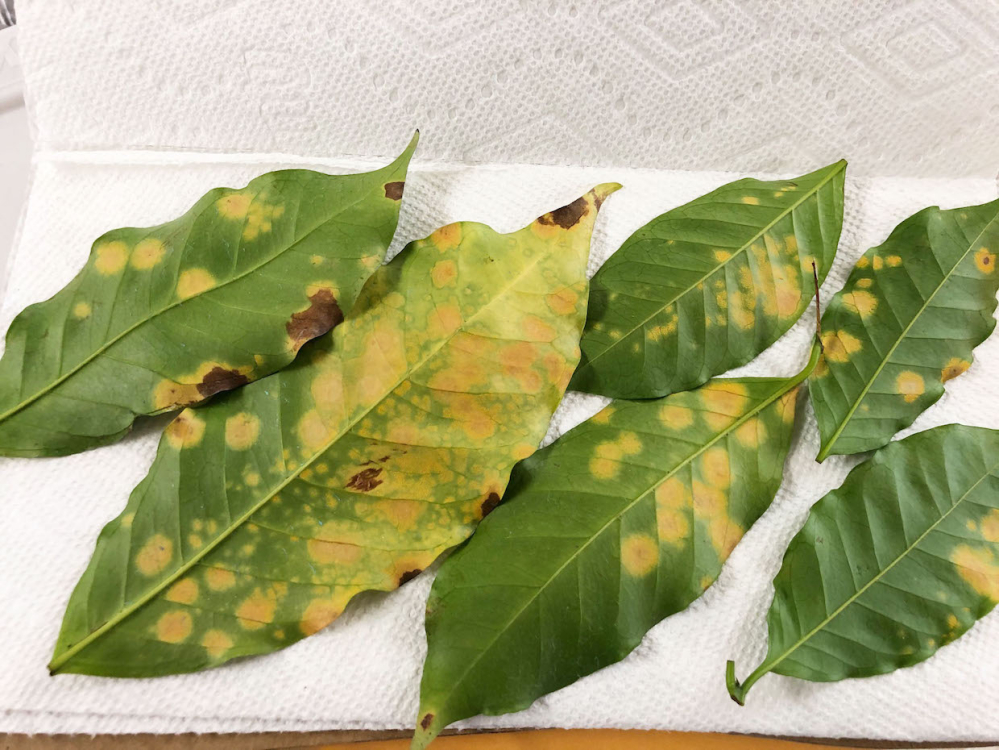
Catimor grows vigorously in Yunnan, with stable secondary traits, bright green terminal buds and young leaves on the canopy, overall dark green leaf color, a columnar plant shape, short internodes, many branches, wide adaptability, relatively strong drought resistance, and a certain degree of cold resistance. Compared with Typica, Catimor has a much higher yield in Yunnan. But according to Front Street's understanding, the first variety planted on a large scale in Yunnan was not Catimor, but Typica, which has outstanding appearance and excellent sweetness. Later, major international brands entered Yunnan and purchased in large quantities. In order to increase local coffee production as much as possible, they began to promote Catimor. Because Typica has low yield and is susceptible to coffee leaf rust, it is difficult to manage and offers limited economic returns, gradually making coffee farmers unwilling to continue planting it.
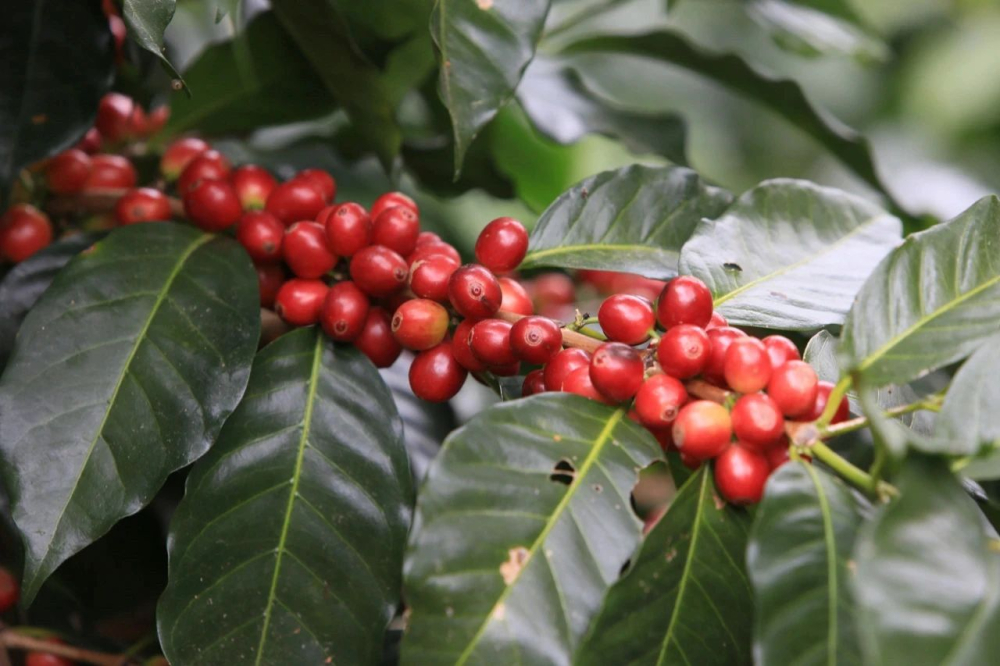
Although Catimor has excellent adaptability in Yunnan, its flavor has always been the focus of discussion, just as Han Huaizong often used "the devil's aftertaste" in his books to describe Catimor. However, Front Street believes that coffee flavor is affected by multiple factors and cannot be generalized. For example, the variety of Indonesian Mandheling is Catimor, and Mandheling's flavor is still widely praised.
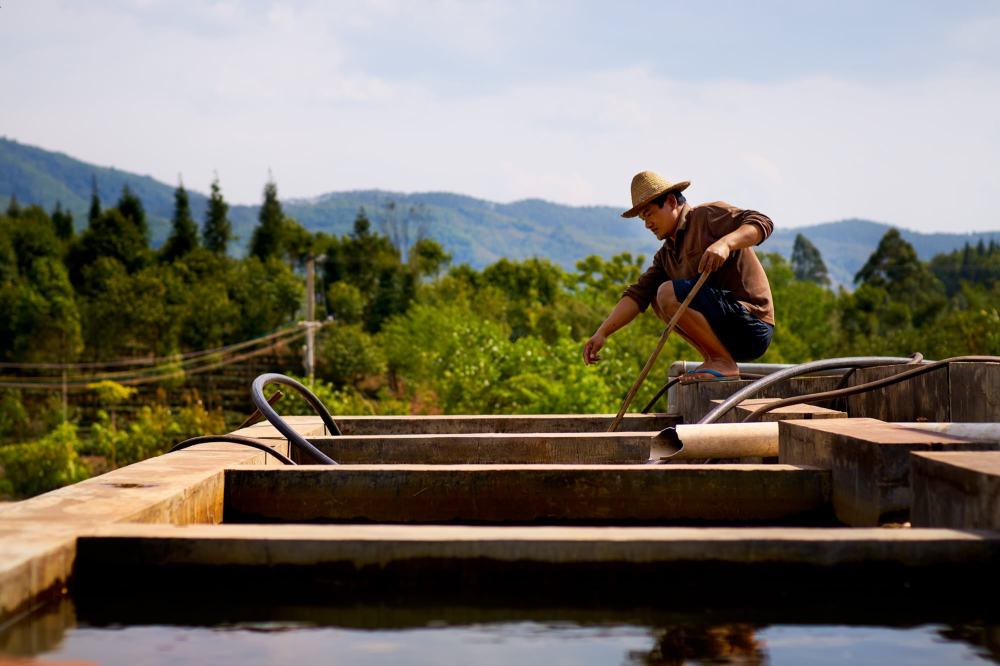
Although the planted area of Typica in Yunnan is not large, its flavor performance is quite excellent. One of Front Street's Yunnan beans—Huaguoshan Coffee—is Typica, and the flavor after brewing is satisfying. Yunnan has high temperatures and abundant rain throughout the year. Local coffee farmers make full use of these natural conditions and adopt the washed processing method: first, the skin and pulp are stripped with a depulper, then the processed coffee beans are introduced into a clean water tank and soaked for about 18 hours, using fermentation to remove residual pectin, after which they are dried.
Front Street conducted cupping and brewing experiments on Yunnan Small-Bean Coffee and Huaguoshan Coffee respectively. The flavor characteristics of Yunnan coffee are generally on the balanced side, with a base tone dominated by nuts and brown sugar. To highlight the varietal flavor, Front Street uses a medium roast for both Yunnan beans.
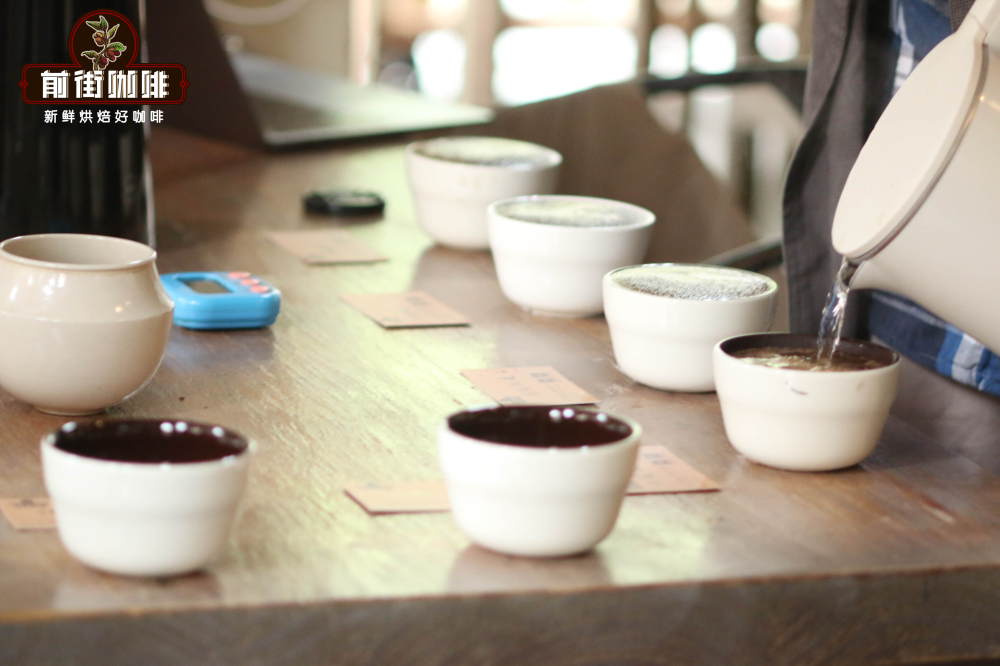
Front Street Coffee (FrontStreet Coffee) conducts cupping within 8 to 24 hours after sample roasting Yunnan coffee. The cupping bowls used are 200 ml ceramic bowls, with 150 ml and 200 ml scale lines marked on the inner wall. According to SCAA standards, the water TDS is controlled at around 150 ppm—too low a TDS easily leads to over-extraction, while too high affects the mouthfeel and easily causes under-extraction; the cupping water temperature is 94 degrees. The grind size follows SCAA cupping standards, controlled so that a No. 20 standard sieve (0.85 mm) has a passing rate of 70%-75%. The coffee-to-water ratio is 11 grams of coffee grounds to 200 milliliters of hot water, that is, 1:18.18, so that the extraction concentration falls exactly within the golden cup range of 1.15%-1.35%, with a steeping time of 4 minutes.
Through tasting, Front Street reached the following conclusions about the flavor characteristics of these two Yunnan coffee beans:
Cupping results for Front Street 2013 Typica coffee beans: rich melon and fruit aromas and herbal notes on the entry, smooth mouthfeel, nutty and chocolate flavors in the middle, lively and bright plum acidity at the end, with black tea and brown sugar notes in the finish.
Cupping results for Yunnan Small-Bean coffee beans: bright yet soft acidity, good body and balance, rich layers, obvious notes of dark chocolate, honey, and sucrose in the aftertaste, and a brown sugar flavor when fully cooled.
From Front Street's cupping results, it is not difficult to see that Yunnan coffee is not a region whose main theme is acidity; its flavor is overall balanced, with a base tone dominated by nuts and brown sugar. If you want to more clearly experience Yunnan's basic terroir, you can start with the daily-drinker bean series. The formation of this flavor in Yunnan coffee is inseparable from its special geographical location—Yunnan's natural conditions are very similar to Colombia's, as both are in low latitudes and at high altitudes, with large day-night temperature differences.
From the cupping results, Yunnan coffee tastes quite good. Taking Front Street Coffee (FrontStreet Coffee)'s Yunnan Small-Bean Coffee as an example, it is somewhat similar to Colombian coffee, but not exactly the same. This bean has nutty notes in its dry aroma, and after entry it presents more chocolate, nut, and creamy flavors, but it lacks Colombian coffee's caramel sweetness, replaced instead by brown sugar sweetness, with a relatively balanced overall taste.
Thanks to Yunnan's superior climate, coffee trees usually take four years from planting to bearing fruit. Front Street has learned that coffee flowers have a short lifespan, only two or three days. The full flowering period of Yunnan small-bean coffee is generally from March to May, greatly affected by rainfall and temperature. Planting altitude is a fundamental factor in coffee cultivation, and much of Yunnan's mountainous land is above 1,000 meters: Kunming 1,895 meters, Baoshan 1,653.5 meters, Dali 1,976 meters, Chuxiong 1,773 meters, Dehong 800 to 1,500 meters on average, and Diqing 3,380 meters on average.
Beyond altitude, temperature must also be considered. The golden coffee belt is usually located between the Tropic of Cancer and the Tropic of Capricorn, because beyond those lines the probability of frost is extremely high, and once frost occurs coffee trees will die. In Yunnan, because the Gaoligong Mountains lie north of Baoshan, they can block the Siberian cold current from sweeping straight down in winter, and together with the many mountains, this forms a microclimate that protects coffee growth.
In its early days, in order to comprehensively understand and share coffee knowledge, Front Street Coffee (FrontStreet Coffee) established a coffee estate in Lincang, Yunnan. That was in 2013, when the most original Arabica variety—Typica—was planted in the Front Street Coffee (FrontStreet Coffee) estate. Lincang's average temperature is about 21 degrees, with a maximum temperature reaching over 40 degrees, making it an ideal place to grow Yunnan small-bean coffee; the coffee produced there is strong but not bitter, full-bodied and aromatic.
As 2022 arrived, the Yunnan coffee harvest came to a temporary close, and the latest batch of coffee beans from Front Street Coffee (FrontStreet Coffee)'s estate has also been listed.
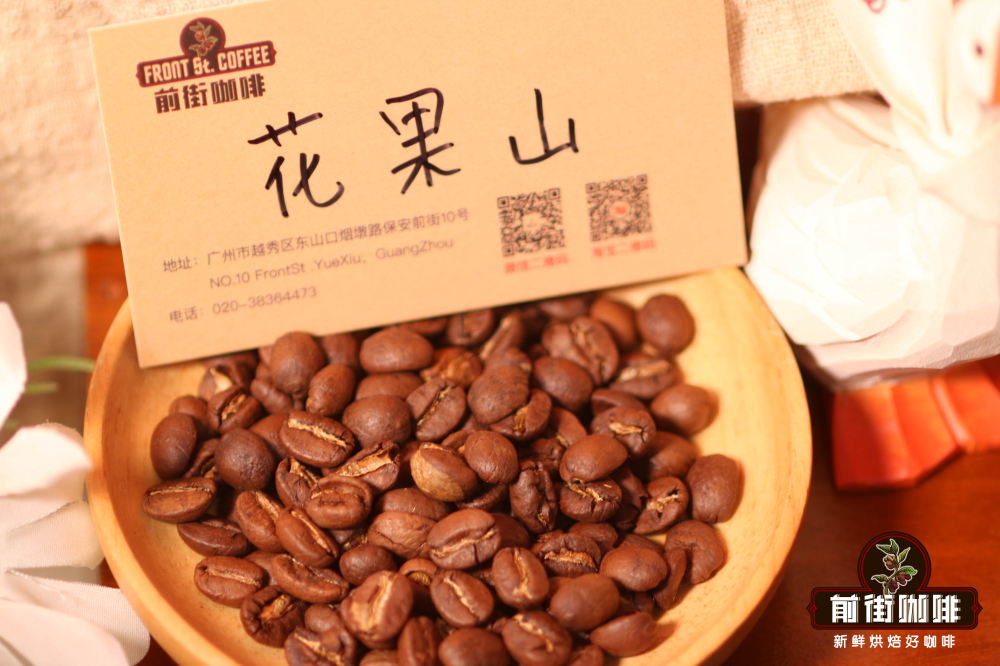
Front Street Coffee (FrontStreet Coffee): Front Street Yunnan Natural Typica
Region: Lincang, Yunnan
Estate: Yunnan Front Street Coffee (FrontStreet Coffee) Estate
Altitude: 1,300 meters
Variety: Typica
Processing method: Natural Typica
The Typica produced by Front Street Coffee (FrontStreet Coffee)'s estate uses the most original and traditional post-harvest green bean processing method—natural. Through natural processing, Typica has a fuller mouthfeel and more prominent sweet-and-sour notes, with citrus and berry tones, a hint of fermented wine aroma, caramel sweetness, and a creamy finish.
Finally, Front Street shares the parameters for brewing Yunnan Natural Typica:
Dripper: Hario V60
Water temperature: 90 degrees Celsius
Dose: 15 grams
Coffee-to-water ratio: 1:15
Grind size: 80% passing rate on China standard No. 20 sieve
First pour 30 grams of hot water and bloom for 30 seconds, then pour from the center with a fine stream and slowly circle to 125 grams for the first stage; when the water level in the dripper drops to just about to expose the coffee bed, continue circling and pouring to 225 grams, with a total extraction time of about 2 minutes.
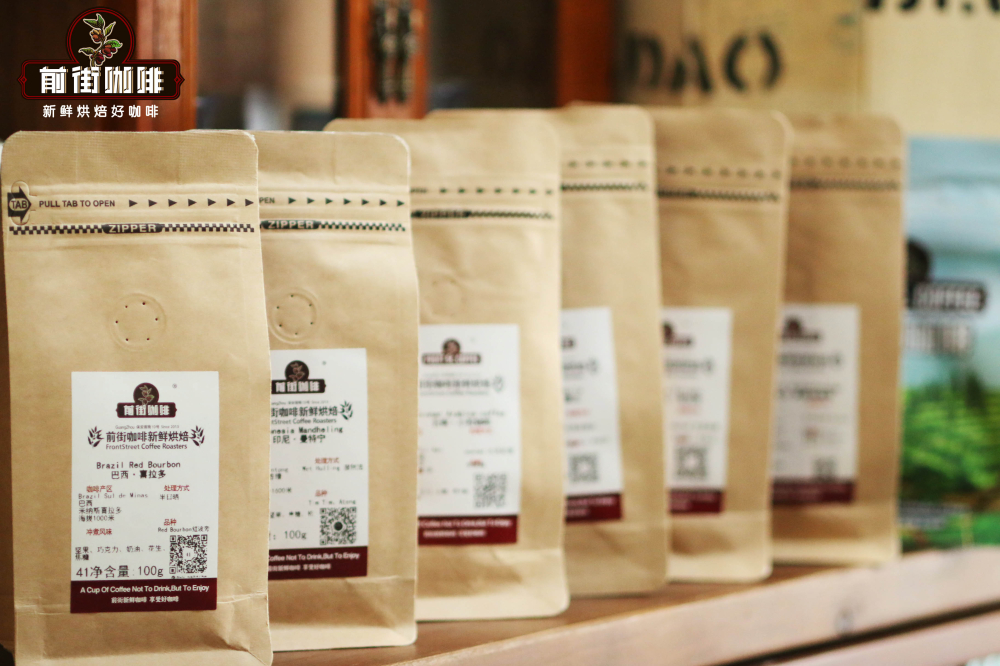
When Front Street ships, the coffee beans that reach everyone's hands are all freshly roasted within 5 days. By the time you receive them, they have already gone through a 4- to 7-day resting period, and the flavor is at its best. Front Street has also noticed that some friends choose to have Front Street grind the beans for them because their home grinding equipment produces a high proportion of fines. It should be reminded that once coffee is ground into powder, the volatile flavor substances dissipate more quickly.
Therefore, Front Street recommends buying whole beans and grinding right before brewing to experience the best flavor. When you first receive Front Street coffee beans, you can see a beautiful blooming "hamburger" during brewing. The purpose of blooming is to let the coffee grounds release internal carbon dioxide, thereby making the later stages of extraction more stable.
For professional coffee knowledge exchange and more coffee bean information, please follow Coffee Workshop (WeChat public account: cafe_style) For more specialty coffee beans, please add the private WeChat of Front Street Coffee (FrontStreet Coffee), WeChat ID: kaixinguoguo0925
The above content is compiled by CoffeeHunters, a coffee news website.


