







How Does the Roasting Process Shape Blend Coffee for Espresso?
Espresso is far less forgiving than pour-over, because high-pressure extraction amplifies whatever is in the bean. Light roasts pull with sharp acidity and thin crema, so a latte or cappuccino built on them tastes sour and watery. That is why medium-dark roasted blend coffee is the common choice: two or more origins balance each other, keeping the cup stable rather than one-dimensionally sour or bitter.
Blends once carried a poor reputation, largely because unstable green coffee or cheap beans were dark-roasted to hide defects. That reasoning no longer holds, since most green coffee now meets the SCA specialty standard. The roasting process still matters most for espresso: a medium-dark profile tames acidity, builds crema, and lets the bean hold its structure once milk is added.
To make a delicious espresso at home with an espresso machine, choosing the right coffee beans is a key step. Espresso is particularly sensitive to the roast level; light-roasted beans have prominent acidity and thin crema, and when milk is added, the flavor often becomes weak and sour. Therefore, most coffee shops on the market generally use medium-dark roasted blend beans. A blend does not mean poor quality; today, specialty-grade blends can also present a stable and harmonious flavor. This article focuses on the bean-selection logic for espresso, introduces four medium-dark roasted blends launched by Front Street Coffee, covering different styles such as winey, nutty, full-bodied, and slightly acidic, and includes suggested initial extraction parameters and practical methods for judging whether extraction is successful, helping coffee lovers find the one that suits their taste.
To learn more about specialty coffee, you can follow the WeChat public account: Front Street Coffee (FrontStreet Coffee).
In principle, an espresso steam coffee machine is not picky about beans; almost all coffee beans can be used for extraction. But espresso is especially particular about the roast level, and it is different from pour-over—pour-over can be adjusted through variables such as water temperature and coffee-to-water ratio to present the unique flavor of a certain region, while espresso does not have such a large margin for adjustment.
The steam coffee machine uses high pressure to extract the essence of coffee, and this process multiplies the taste of the coffee beans themselves. Different beans have different flavor directions, some more acidic and some more bitter, so if only a single variety of beans is used to make espresso, it is easy to end up with a result that is too strongly sour or too strongly bitter.
For this reason, Front Street Coffee (FrontStreet Coffee) does not recommend using light-roasted beans to make espresso. After extraction, light-roasted beans have more acidity and less crema, and when milk is added to make a latte or cappuccino, the main tone of the whole cup is basically sour, and the mouthfeel also seems thin.
Now most coffee shops use dark-roasted blend beans when making espresso. A blend does not mean the beans are of poor quality. In the past, people had a poor impression of blend beans, mainly because the coffee bean quality at that time was unstable, or some merchants mixed inferior beans and then dark-roasted them to cover up defects.
But today's coffee beans generally can meet the SCA specialty coffee standard. As long as the beans are of excellent quality, the maker has professional knowledge, and customer service is also in place, then whether blends or single-origin beans are used to make espresso, it can be included in the category of specialty coffee.
Blend beans appeared because single-origin coffee (single-origin coffee) is affected by terroir and climate every year, making it difficult to remain stable over the long term. Therefore, professional roasters and baristas study the characteristics of beans from various regions in depth, mix different varieties in different proportions before roasting, or roast them separately and then mix them, in order to make the extracted espresso achieve a certain balanced and harmonious taste, while also ensuring that the flavor of every cup of espresso can be presented stably.
Front Street Coffee (FrontStreet Coffee) has also launched four blends specially used for medium-dark roasted espresso based on the taste preferences of mass consumers. You can choose different flavors according to personal preference, and orders can be placed at the Front Street Taobao store and the Front Street Tmall flagship store. For all online orders of coffee beans, Front Street Coffee (FrontStreet Coffee) will ship within five days after roasting is completed, so that everyone can experience the best aroma of freshly roasted coffee as much as possible.
"Front Street Coffee (FrontStreet Coffee) - Warm Sun Blend Coffee Beans," with a winey aroma as its main feature. The recipe is Ethiopia natural Red Cherry coffee beans (30%) plus Honduras Sherry wine barrel coffee beans (70%), presenting a rich winey aroma, vanilla cream, berry sweetness and acidity, and roasted nut flavors.
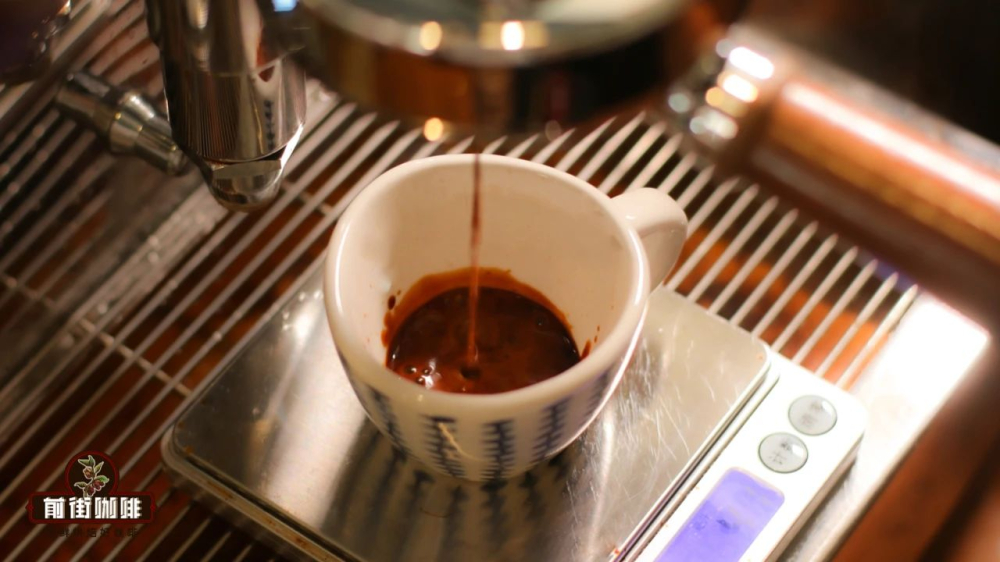
"Front Street Coffee (FrontStreet Coffee) - Specialty Blend Coffee Beans": an espresso bean mainly featuring nutty aroma. The recipe is Colombia washed coffee beans (30%) plus Brazil semi-washed coffee beans (70%), with flavors of nuts, dark chocolate, and caramel.
"Front Street Coffee (FrontStreet Coffee) - Commercial Blend Coffee Beans," an espresso bean known for its body. The recipe is Robusta washed coffee beans (10%), Colombia washed coffee beans (30%) plus Brazil semi-washed coffee (60%), presenting flavors of nuts, cocoa, and caramel, with a relatively high body.
"Front Street Coffee (FrontStreet Coffee) - Espresso Moka Pot Coffee Beans Recommended by Many Baristas - Front Street Black Cocoa Blend Coffee Beans," an espresso bean that is slightly acidic yet full-bodied. The recipe is Yunnan washed small-bean coffee beans (30%) plus Brazil semi-washed coffee beans (70%), with flavors of soft fruit acidity, caramel, and nuts.
The performance of every coffee machine and grinder is different, and there will be differences in both pressure and grind setting, so there is no absolutely accurate grind setting or coarseness parameter.
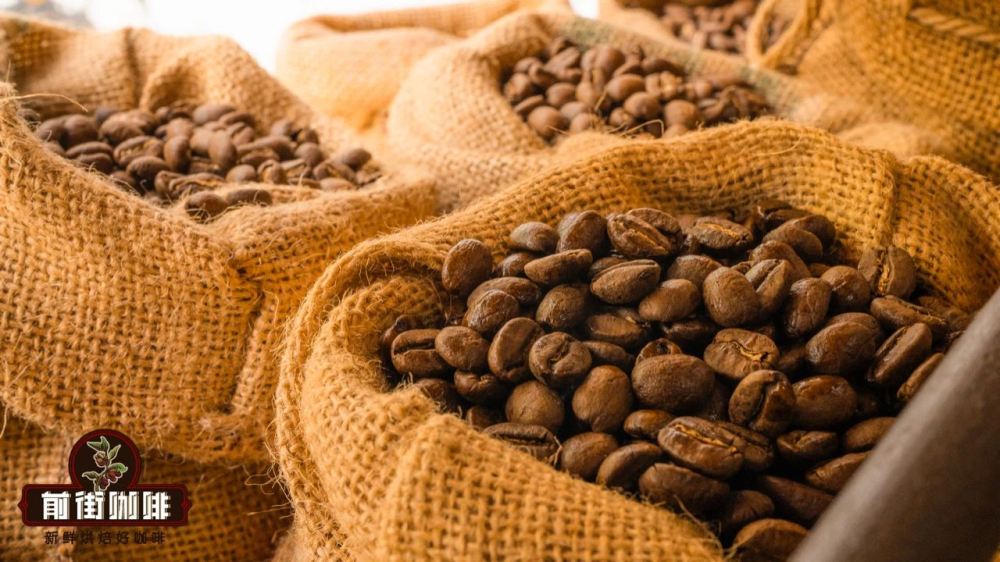
When just starting out, Front Street Coffee (FrontStreet Coffee) recommends using a set of middle-of-the-range extraction parameters and then adjusting according to the actual taste: 20g of grounds, extracted at a 1:2 ratio and 9 bar pressure to get 40g of coffee liquid, taking 25 to 30 seconds. Afterward, make corresponding fine adjustments based on the flavor performance after extraction is completed.
How do you judge whether the extracted espresso is successful? Front Street Coffee (FrontStreet Coffee) shares a little trick: by observing the appearance and color of the espresso crema, you can get a clue.
Crema refers to the layer of fine light reddish-brown foam on the surface of espresso. During the roasting process, coffee beans generate a large amount of carbon dioxide on the surface; most of it escapes during cooling, and a small amount remains inside the bean body. During grinding, this gas is released. So if you want to drink espresso with full aroma and rich flavor, it is recommended to grind and extract fresh.
The above content is compiled by CoffeeHunters, a coffee news website.


