







How is the geisha coffee variety graded and brewed?
Geisha is a single coffee variety, written Gesha in Central America, known for abundant sweetness, a clean mouthfeel, and layered aromas that run from berries and citrus to mango, papaya, and peach, often with a bergamot-like finish. It was discovered in Ethiopia's Geisha forest in 1931 and later reached Panama in 1970.
At Panama's Hacienda La Esmeralda, the estate separates Red Label and Green Label grades, and panama geisha coffee gained fame after the 2003 separation and a 2004 BOP championship. Brewing parameters differ by processing method, so washed and natural lots call for adjusted grind, temperature, and ratio to show their best.
Geisha coffee, as a standout among coffee varieties, is renowned worldwide for its full sweetness, clean mouthfeel, and rich aroma. From its discovery in the forests of Ethiopia to its championship win at Hacienda La Esmeralda in Panama, Geisha's legendary journey is fascinating. This article will provide an in-depth analysis of the origin of the Geisha coffee variety, the criteria for classifying Red Label and Green Label grades at Panama's Hacienda La Esmeralda, and brewing techniques for Geisha processed by different methods. At the same time, Front Street Coffee will share recommended brewing parameters and flavor descriptions for Geisha coffee to help coffee enthusiasts better understand and appreciate this precious variety. Whether you are new to Geisha or a seasoned enthusiast, this article will provide you with practical reference information.
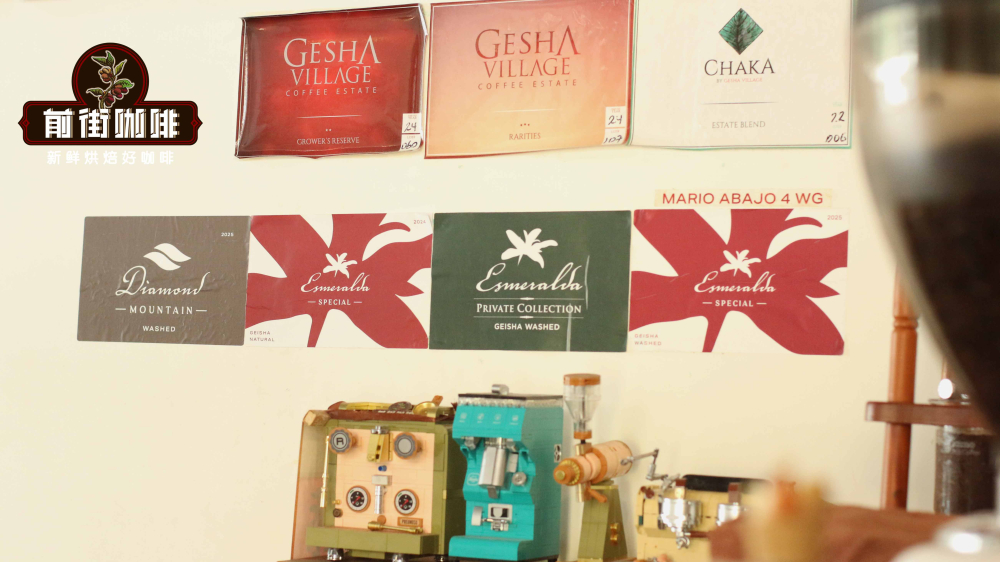
When Geisha coffee is mentioned, do you truly understand what it actually is? Front Street is here to answer for everyone: Geisha coffee is essentially just one variety within the coffee family. Geisha (also written as Gesha in Central America) is an extremely rare coffee variety, with abundant sweetness, an exceptionally clean oral texture, and rich, varied aroma layers extending from berries and citrus all the way to mango, papaya, and peach. In addition, a distinctive finish reminiscent of bergamot is also a signature expression of Geisha in cupping. To this day, Geisha remains firmly seated as the champion among coffee varieties.
When talking about Geisha coffee, one naturally cannot avoid Panama's Hacienda La Esmeralda, as it was here that Geisha rose to fame. The Geisha variety was discovered in 1931 in the Geisha forest of Ethiopia, then sent to the Kenya Coffee Research Institute, introduced to Uganda and Tanzania in 1936, brought to Costa Rica in 1953, and only arrived in Panama in 1970. At first, Geisha did not attract much attention until Panama's Hacienda La Esmeralda (also known as Esmeralda Estate, Panama Geisha Hacienda La Esmeralda) separated it from other varieties in 2003 and then won the BOP competition championship in 2004.
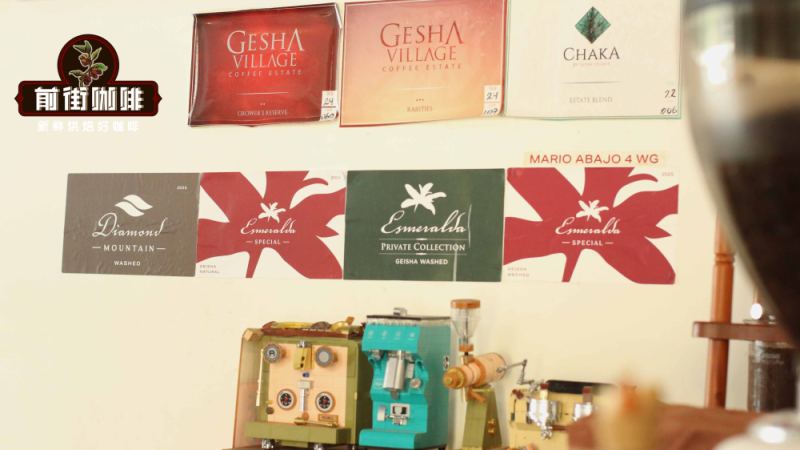
Since Geisha coffee originates from Ethiopia, are the Geisha from Ethiopia's Gesha Village and the Geisha from Hacienda La Esmeralda the same variety? The answer is no. Front Street tells everyone: Ethiopia can be called a genetic treasure trove of coffee, with countless coffee varieties within its borders, many of which have not yet been discovered. What is planted at Ethiopia's Gesha Village is the Gori Geisha variety, while what Hacienda La Esmeralda has is the Geisha variety, so their flavors naturally differ significantly. Overall, the Geisha coffee from Hacienda La Esmeralda is slightly superior in flavor performance to the Geisha coffee from Gesha Village.
Coffee bean grading methods differ from one producing country to another. Some are based on bean size, some on defect rate, and others are divided according to growing altitude... So by what standard are Geisha coffee beans graded?
Panama Growing Environment
Let us first get to know Panama's climate conditions. Geisha coffee did not receive much attention in Ethiopia, nor did it make a name for itself there. Yet as soon as it arrived at Panama's Hacienda La Esmeralda, it shone brilliantly. What kind of climate and environment can nurture such outstanding Geisha coffee?
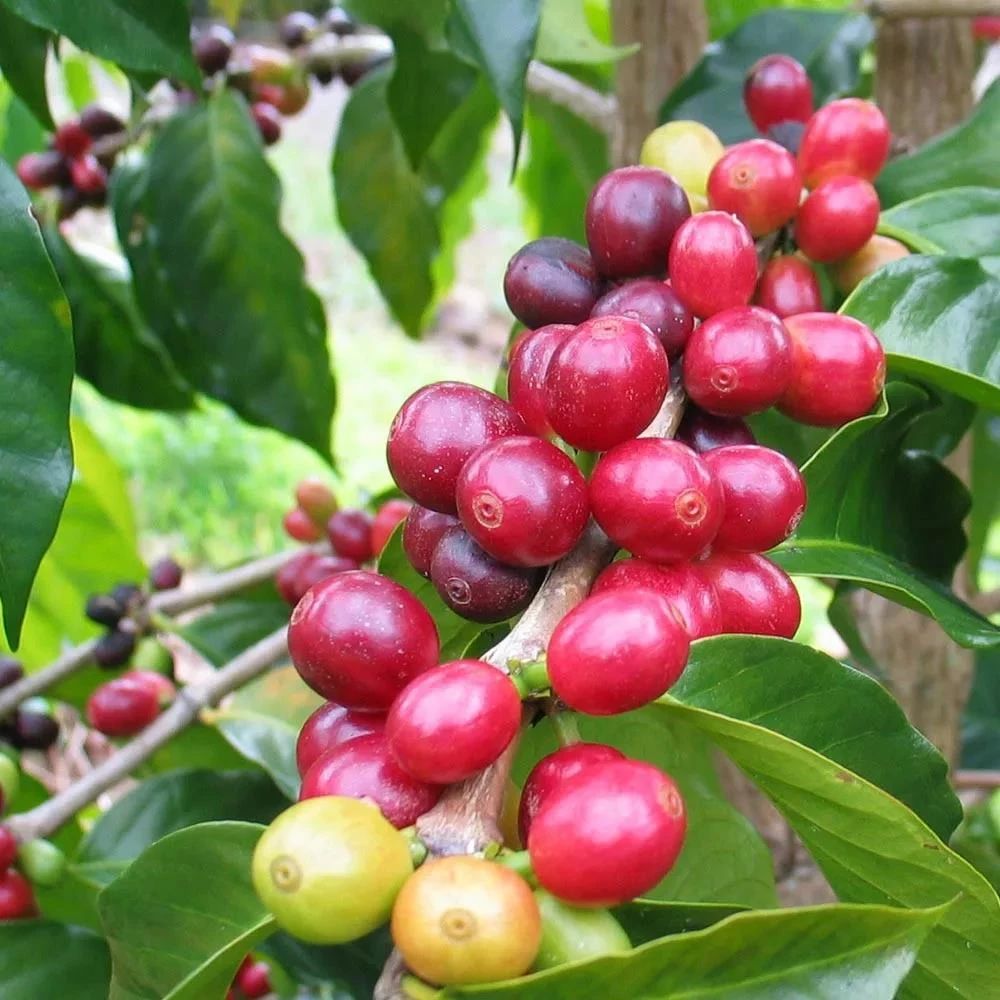
According to Front Street's understanding, Geisha coffee is extremely demanding regarding its growing environment. It requires planting in high-altitude areas, with cloud cover or the shelter of abundant shade trees, and the soil must be fertile. Geisha varieties grown in high-altitude environments produce coffee with distinct floral aromas and refined, elegant fruit acidity, and this captivating flavor is one of the reasons it has swept the world.
Panama borders Costa Rica and Colombia. Its east-to-west topography causes cold air currents to flow through the central mountain range and converge above 1,900 meters, thereby creating a very unique microclimate in the Boquete and Piedra de Candela areas. This place has temperatures and rainfall extremely suitable for plant growth, and this microclimate region is precisely Panama's core coffee-producing area. In addition to climatic conditions, the surrounding land in this region is rich in nutrients, and the fertile soil provides ideal cultivation conditions for coffee growth, resulting in a large number of unique and high-quality coffees.
Hacienda La Esmeralda Estate
Because Geisha coffee trees have low yields, the former estate owner initially used them only as a windbreak. After cupping coffee beans from different areas of the estate, the Peterson father and son discovered its potential and then decided to separate and cultivate the coffee trees in that area. Since participating in Panama's green bean competition BOP in 2004 and winning the championship, Geisha amazed everyone all the way, and only later did expert identification confirm that these coffee beans were indeed the Geisha variety from Ethiopia. After that, the Peterson family devoted most of their energy to infrastructure construction to support excellent lot separation and meticulous processing.
Front Street Coffee has learned that although Hacienda La Esmeralda discovered coffee beans with outstanding flavor early on, in order to achieve precision, they cupped coffee beans from different areas of the estate one by one and determined planting plots according to altitude. Precisely because of this, we have the Geisha grades we know today—Red Label, Green Label, and Blue Label—all graded mainly by altitude and supplemented by cupping results.
[Red Label Geisha Coffee]
The Geisha from Esmeralda Special Selection is what we now call Front Street · Red Label. It uses beans grown at altitudes of 1,600 to 1,800 meters, with a cupping score above 90, and comes from the two producing areas of Jaramillo and Cañas Verdes. Front Street's Red Label Geisha coffee comes from Cañas Verdes and uses the natural process, showing distinct rose aroma and the interwoven sweetness and acidity of berries, with a full juicy sensation filling the entire mouth.
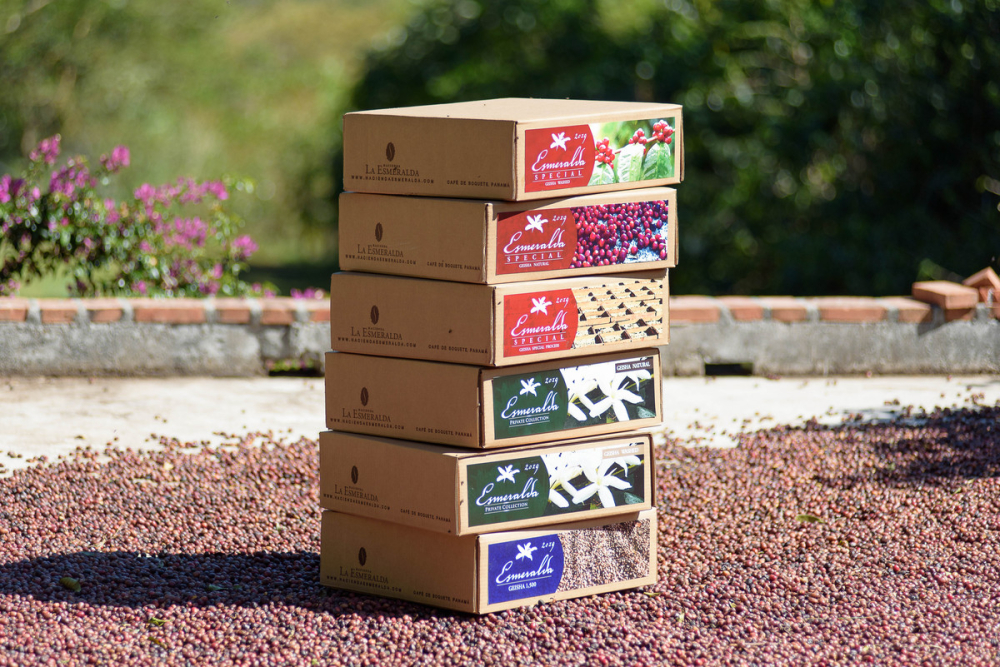
In the independent auction held by Hacienda La Esmeralda itself, only the Geisha lots taken from the divided plots to participate in the auction count as auction Red Label. However, there are also non-auction Red Labels on the market. In fact, these are Geisha selected from the same plots that did not participate in the auction and flowed into the market. The variety and quality are consistent, and the difference is only reflected in the selling price.
Geisha of this grade uses either the natural or washed process, with flavor expressed as special and bright floral and citrus aromas.
[Green Label Geisha Coffee]
The Private Collection series is Front Street · Green Label Geisha. It does not belong to an independent competition lot, but is a Geisha variety that does not participate in bidding yet still has excellent quality. It uses beans grown at altitudes of 1,600 to 1,800 meters, from micro-lots in different plots such as Jaramillo and Cañas Verdes.
Because a mixed-bean model is used and it is not specific to a certain plot, sometimes Green Label and Red Label can be very similar in flavor, but the next release may differ again.
Front Street · Green Label carries the classic flavors of Panama Geisha—floral aroma, fruity aroma, citrus acidity, and a rich, juicy mouthfeel. Front Street believes that if you want to taste Geisha coffee, Green Label is quite a good choice. Front Street's Green Label Geisha coffee is divided into two processing methods, natural and washed: the washed process presents floral aroma, fruity aroma, and citrus acidity, with a fresh and clean mouthfeel; while the natural process, on top of the washed baseline, gives the coffee a rich and juicy mouthfeel.
Front Street Brewing Recommendations:
To drink a delicious cup of coffee, Front Street believes that the freshness of the coffee beans is a crucial part. Only fresh coffee beans can maximize the rich flavors of coffee. The coffee beans shipped by Front Street Coffee are all within 5 days of the roasting date, because Front Street deeply understands the huge impact of coffee bean freshness on flavor. Front Street's roasting philosophy is "freshly roasted good coffee," so that every customer who places an order can receive the freshest coffee when it arrives. The resting period for coffee is about 4 to 7 days, so when customers receive it, it is exactly at the moment of optimal flavor.
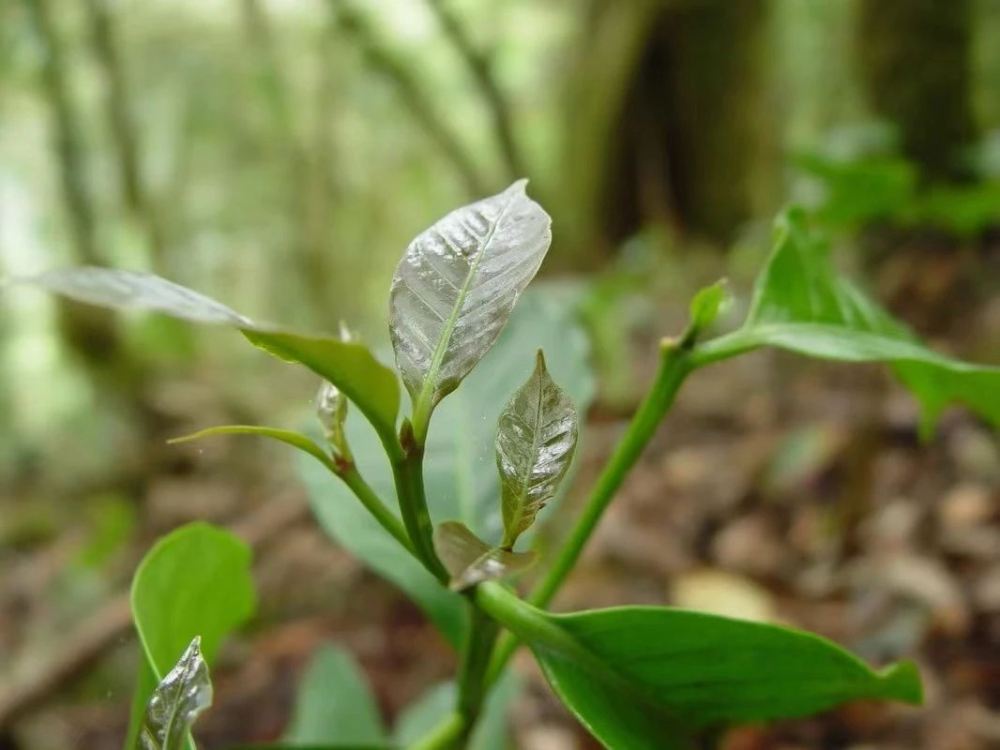
Of course, some customers need Front Street to help grind the coffee, and that is no problem either, but Front Street needs to remind everyone of one point: after coffee beans are ground in advance, there is no need to rest them, because during transportation the pressure generated by carbon dioxide inside the package can also make the coffee flavor rounder, so after receiving the ground coffee, you can immediately brew a cup and enjoy it. However, ground coffee needs to be brewed as soon as possible, because after contact with air, ground coffee oxidizes relatively quickly. In other words, the flavor dissipates relatively quickly, and the coffee's mouthfeel will not be as ideal. Therefore, Front Street recommends buying whole beans and grinding fresh before brewing, so that you can better taste the coffee's flavor.
Front Street's parameters for brewing Geisha coffee:
Because Front Street's Panama Geisha coffee beans are medium-light roasted, when producing Panama Geisha coffee, Front Street usually chooses the Hario V60 dripper, a finer grind size, and a higher water temperature for brewing.
The parameters chosen by Front Street are: V60 dripper, water temperature 90°C, water-to-coffee ratio 1:15, coffee dose 15g, grind size (80% passing rate on China's No. 20 standard sieve).
A staged extraction is used. First, use twice the amount of water relative to the coffee dose for blooming, that is, 30 grams of water for a 30-second bloom. The purpose of blooming is to allow the coffee grounds to release internal carbon dioxide gas, thereby making the later stages of extraction more stable. Pour in a small stream in circles until 125 grams, then pause for a stage; continue pouring until 225 grams and stop. After the water in the dripper has dripped through, remove the dripper. Timing starts from the beginning of pouring, and the extraction time is 2 minutes 00 seconds. Then swirl the entire cup of coffee to mix it evenly, pour it into a cup, and it is ready to taste.
Flavor of Panama Hacienda La Esmeralda Red Label Geisha Coffee: It has bright rose and citrus aromas, as well as flavors such as brown rice, berries, apricot, composite fruits, and honey. The juice-like body is rich, the layers are complex, and the sweetness stands out.
Flavor of Panama Hacienda La Esmeralda Green Label Geisha Coffee: Rich jasmine floral aroma, high sweetness, with flavors such as citrus, berries, juice-like sensation, cream, green tea, orange peel, and cantaloupe. The overall layers are rich, and in the finish the floral aroma and citrus are persistent and long-lasting.
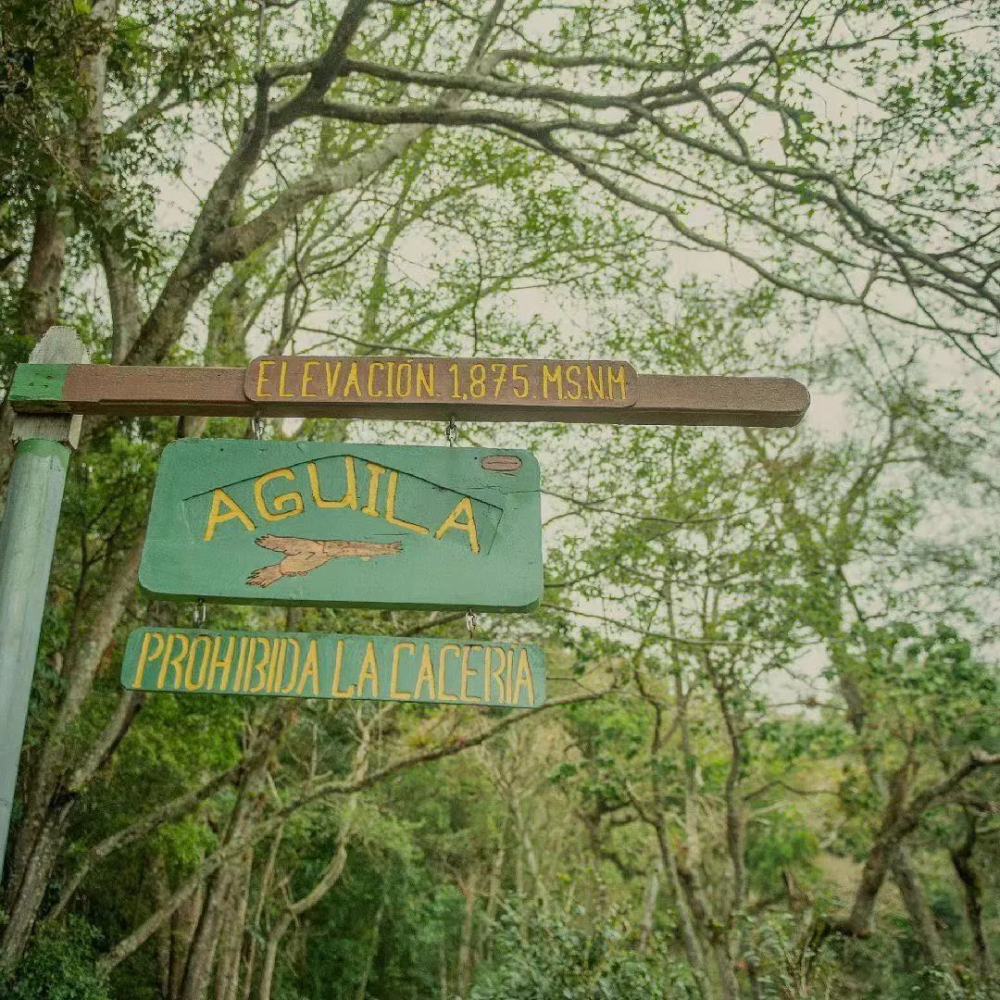
Geisha coffee's flavor is so outstanding that friends accustomed to Geisha flavors may also be eager to try Geisha from other producing regions. Of course, besides Hacienda La Esmeralda's Geisha coffee, Front Street also notes that Panama has other renowned estates, such such as Elida Geisha Estate and Boquete Estate, and there are also Costa Rica's Mirazu Geisha coffee, Colombia's Hanami Geisha coffee, and Panama's Butterfly Geisha coffee. Of course, these are Geisha blends, but if you want to experience the flavor of Geisha coffee without spending too much, this is undoubtedly a very good choice!
The above content is compiled by CoffeeHunters, a coffee news website.


