







Geisha Coffee in a Moka Pot: What to Expect from a Medium-Roast Sidamo Bean
Geisha coffee is known for delicate floral and citrus notes. A medium-roast Geisha from Sidamo, Ethiopia, brings those traits into a cup that is bright and tea-like. The moka pot, however, brews with pressure and high heat, which can mute subtle flavors. It still works, but the result tastes different from a pour-over. Expect a heavier body and less aroma, with the fruit notes pushed to the background.
If you want to try it, use a fine grind, fill the basket level without tamping, and preheat the water before assembling the pot. Keep the flame low and remove the pot from heat as soon as the coffee starts to sputter. This reduces bitterness. Sun-dried Geisha beans may show more berry sweetness than washed ones. For the clearest floral notes, a pour-over remains the better method, but the moka pot offers a pleasant, fuller-bodied alternative.
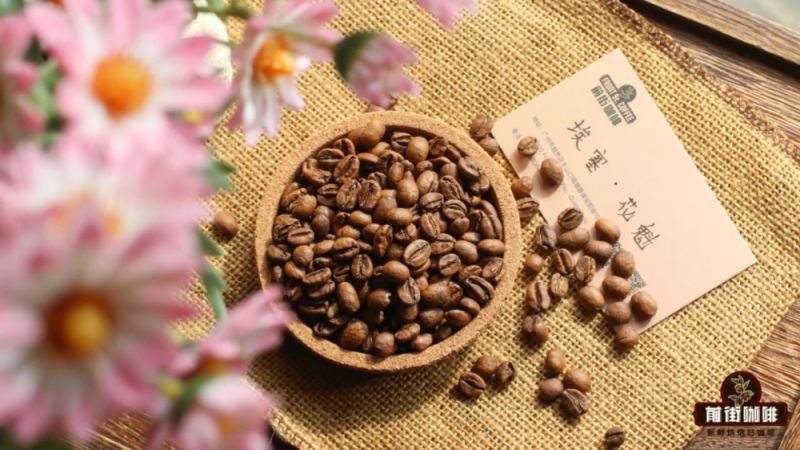
As a highly recognizable single-origin Ethiopian coffee, Huakui is famous for its rich aroma and high sweetness, and it once won the championship in the natural group at the 2017 Ethiopian international cupping day. This article focuses on Huakui coffee's origin background, processing methods, and flavor characteristics, with emphasis on answering whether it is suitable for extraction with a moka pot and providing detailed operating steps. It also recommends two Huakui products from Front Street Coffee—a medium-light roast suitable for pour-over, and a medium roast corresponding to moka pot and espresso machine SOE. Finally, it includes a method for making a moka pot latte to help coffee lovers recreate Huakui's strawberry fruit tea flavor at home.
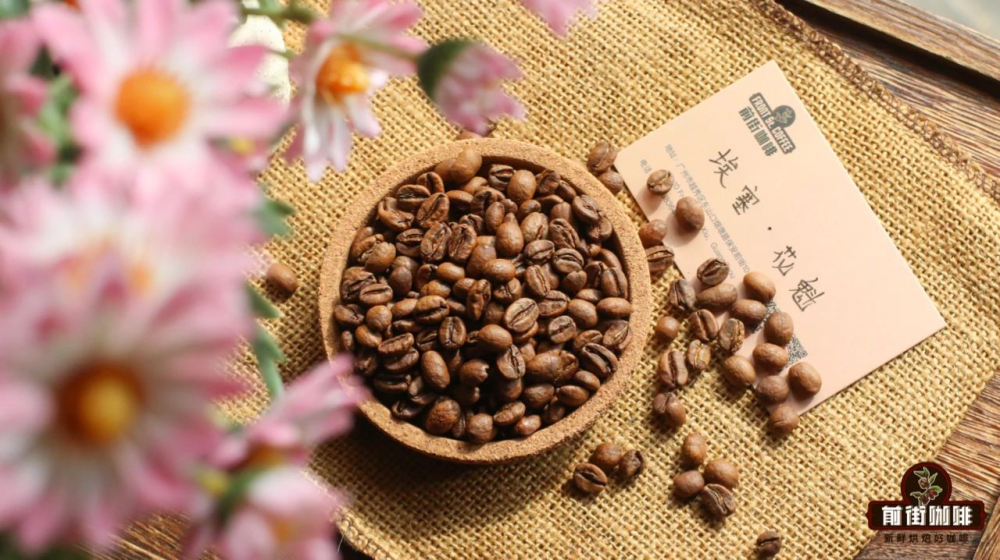
Huakui is a single-origin coffee from Ethiopia and is widely known for its highly impactful aroma and sweetness, with quite outstanding flavor recognition. It once took first place in the natural group at the 2017 Ethiopian international coffee cupping, and because of this championship status, that batch of green beans was given the name "Huakui." During the harvest and processing season from December to January each year, the region's unique growing environment and natural climate together shape Huakui coffee's distinctive flavor performance.
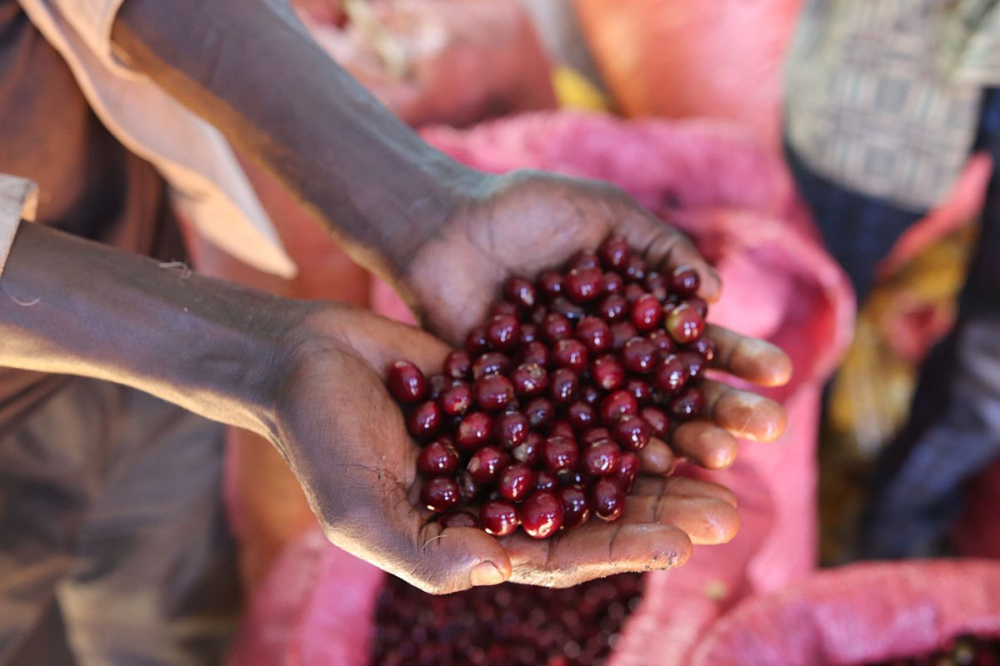
Strictly speaking, Huakui comes from Hambela in the Guji region, so it is also called "Hambela coffee." Huakui is picked only as fully ripe all-red cherries, manually selected throughout, and dried on African raised beds. Natural processing begins only after the sugar content reaches above 21, during which it is turned at regular 24-hour intervals to ensure even sun exposure and ventilation. This is combined with 21 days of low-temperature fermentation (ordinary natural processing usually takes only slightly more than ten days), thereby controlling the degree of fermentation more precisely, and the sweetness is therefore very high. When brewed, the winey aroma and floral notes are very distinct, and the pour-over result is like drinking a cup of strawberry fruit tea.
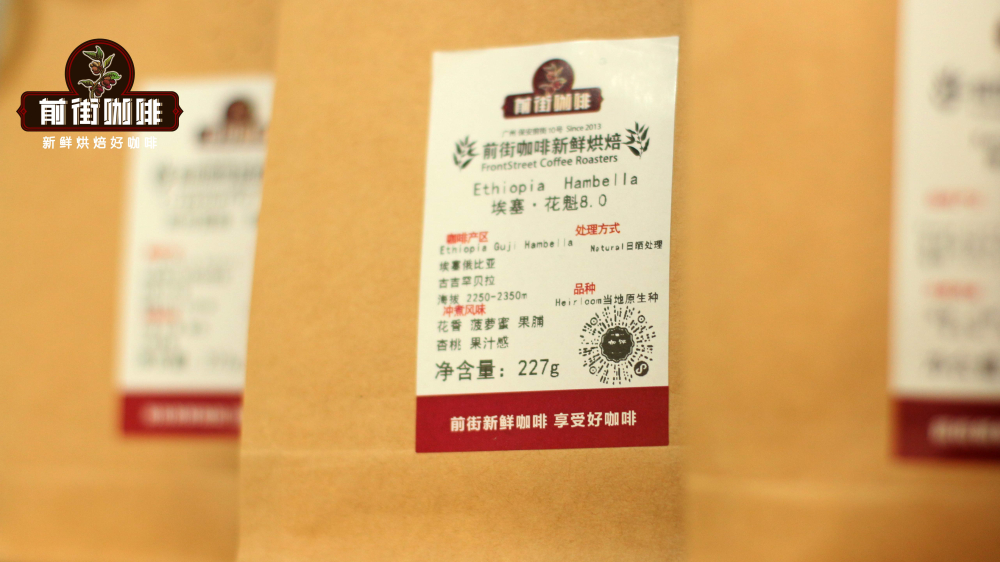
Among the many shops selling Huakui, Front Street Coffee's natural Huakui G1 coffee beans are worth recommending. The price is affordable, the coffee beans are all freshly roasted within 5 days, and 24-hour shipping is supported, allowing consumers to experience coffee at its best in every way.
Front Street · Huakui coffee has two versions in total. One uses a medium-light roast; on entry there is first a refreshing floral aroma, followed by obvious citrus and lemon fruit notes, while the finish is given sweetness by substances such as nuts and sucrose, making the layers very rich. It is suitable as a pour-over single origin or for use in a drip coffee machine. The other is medium-roasted Front Street Huakui, corresponding to moka pot and espresso machine preparation of SOE espresso.
How to make Huakui SOE coffee with a moka pot
First, pour cold water into the lower chamber of the moka pot (hot water will scald your hands), place the filter basket into the lower chamber, wrap your hand around the basket once, and fill the basket with grounds until a small mound rises in the middle. After the grounds around the sides have filled the gaps in the basket, directly press on the upper chamber and tighten it.
Then place it on an electric ceramic stove to heat (a gas stove also works). When you hear a "wuwu" sound, it means the coffee liquid is beginning to surge upward. At this point, turn off the heat directly and wait for the coffee liquid to come up.
The freshly brewed moka pot coffee will have a layer of golden crema on the surface, but most of the crema will dissipate quickly. You can add warm water or milk. Here, use a French press to froth 200 ml of warm fresh milk, then blend the two evenly and pour latte art. A cup of moka pot latte is then complete.
The above content is compiled by CoffeeHunters, a coffee news website.


