







How Do Guatemala's Coffee Regions Shape Flavor?
Guatemala is one of Central America's most established coffee origins. Cultivation began in the 1850s and 1860s in the southwest around Amatitlán and Old Guatemala, output passed 22 million kilograms by 1887 and 24 million by 1891, and the country held a leading place in Central American coffee production for much of the 20th century.
The national association Anacafé divides the country into eight producing regions, each with its own cup profile. Antigua is known for balanced, cocoa-tinged sweetness from its volcanic valley, Huehuetenango for bright fruit and body at high elevation, and New Oriente for softer, spicier notes. Washed processing is the standard method.
Guatemala, the land that gave rise to the Maya civilization, has likewise conquered countless coffee lovers with its rich and elegant flavors. From its beginnings in small 19th-century plantations to holding the top spot in Central American coffee production for much of the 20th century, Guatemala's coffee industry has traveled a winding yet glorious road. This article traces the historical threads and industrial shifts of Guatemalan coffee, introduces how Anacafé has mapped out a flavor landscape through its eight producing regions, and focuses on the terroir characteristics and cup profiles of three representative regions: Antigua, Huehuetenango, and New Oriente. At the same time, we will also look at the widespread application of the washed processing method in Guatemala, as well as the flavor orientations of Front Street offerings such as Guatemala Flor del Bosque, Huehuetenango, and Geisha.
When people mention Guatemala, the first thing that often comes to mind is its long-standing Maya civilization; yet in the memory of coffee lovers, what is most unforgettable about this Central American country is that rich and elegant coffee taste. If you are curious about this American coffee-producing country, why not follow in Front Street's footsteps and step together into the world of Guatemalan coffee.
Guatemala's coffee industry can be traced back to the 19th century. Coffee production occupies a pivotal position in the country's economy. Around the 1850s to 1860s, coffee began to be cultivated locally, and at first it was even intercropped with cochineal. At that time, small plantations were scattered across the southwestern areas of Amatitlán and Old Guatemala, and due to a lack of technology and knowledge, coffee trees grew rather slowly. In the early days, many coffee farmers had to borrow from family members to keep their estates running. Later, as foreign capital entered, these companies successively acquired plantations, and Guatemala's coffee production gradually fell into foreign hands.
Coffee cultivation is a labor-intensive industry, and labor shortages became the main bottleneck limiting the rapid rise of Guatemala's coffee output. In 1887, the country's coffee production surpassed 22,000,000 kilograms (about 48,500,000 pounds). By 1891, production further exceeded 24,000,000 kilograms (about 52,000,000 pounds). Between 1879 and 1883, Guatemala exported a cumulative total of 133,027,289 kilograms of coffee (about 293,274,971 pounds). By 1902, several of the world's most important plantations were located along Guatemala's southwestern coast.
For most of the 20th century and into the early 21st century, Guatemala remained Central America's number one coffee producer, a situation that was not broken until 2011 by Honduras. It is worth noting that official statistics did not include coffee exports flowing illegally to Honduras and Mexico.
In Guatemala, the temperature most suitable for coffee trees to grow and bear fruit is roughly between 16°C and 32°C. Coffee seedlings planted at altitudes of 500–700 meters (1,600–2,300 feet) must receive good shade conditions. Plantations at about 1,500 meters (4,900 feet), meanwhile, need windbreaks to withstand the cold north winds.
Guatemala lies in the tropics and has many volcanoes within its territory. The northern and eastern coastal plains have a tropical rainforest climate, while the southern mountains have a subtropical climate. The year is divided into wet and dry seasons: May to October is the rainy season, and November to April of the following year is the dry season. Annual rainfall in the northeast ranges from 2,000 to 3,000 millimeters, while in the south it is only 500–1,000 millimeters.
Next, let's talk about Guatemala's coffee association. The Guatemalan Coffee Association (Asociación Nacional del Café, abbreviated as Anacafé) was founded in 1960 and represents all coffee producers nationwide. The association was established with the impetus of pioneers of the International Coffee Organization (ICO), continuing the work of La Oficina Central del Café, set up by Guatemala's central government in 1928, in centrally compiling coffee production statistics.
Anacafé created the Guatemalan coffee brand and, under the slogan "A Rainbow of Choices," defined coffees from eight different origins. These eight regions are: Acatenango Valley, Antigua Coffee, Traditional Atitlan, Rainforest Coban, Fraijanes Plateau, Highland Huehue, New Oriente, and Volcanic San Marcos.
Below, Front Street introduces three of the more representative producing regions: Antigua, Huehuetenango, and New Oriente.
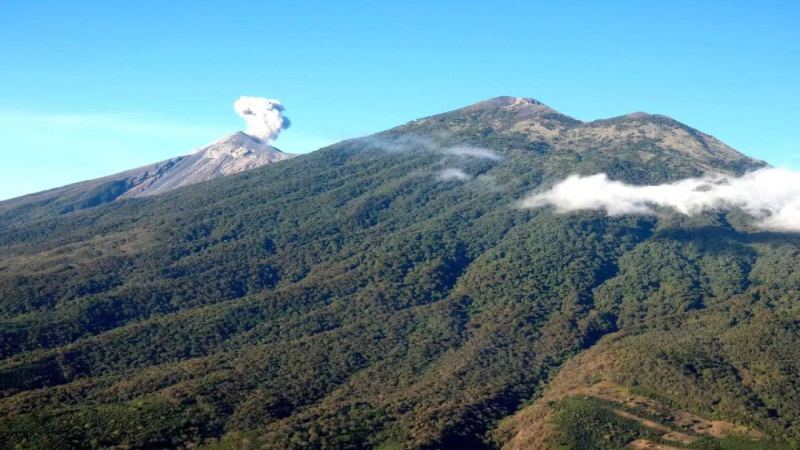
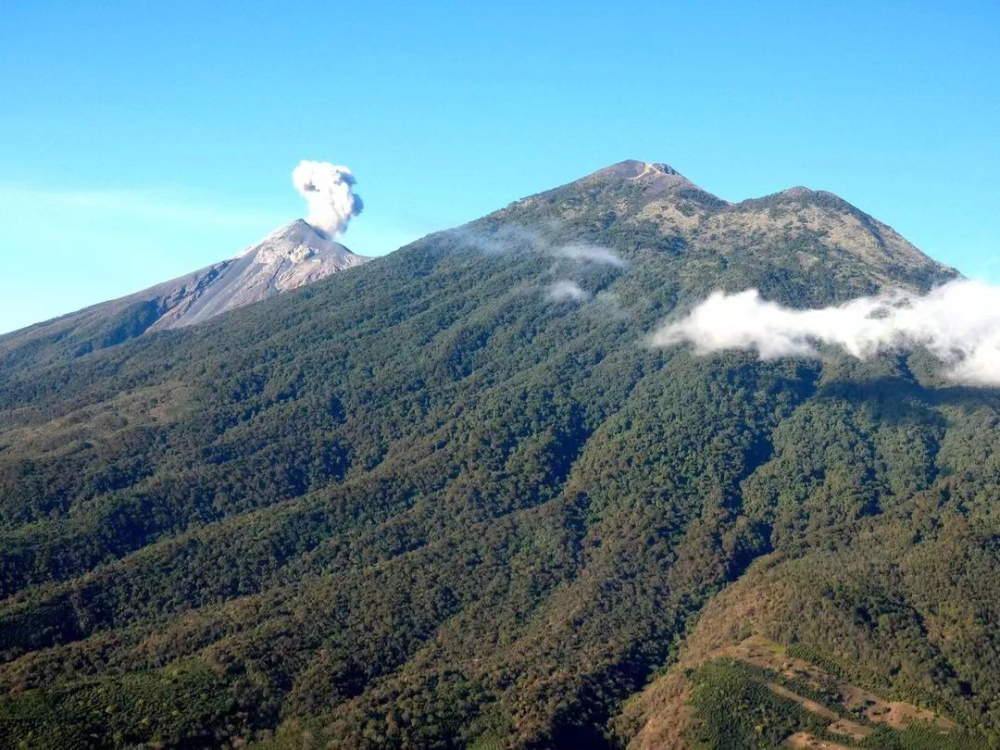
Antigua is one of Guatemala's most renowned sub-regions, with cultivation at altitudes between 1,500 and 1,700 meters. It has fertile volcanic soil, relatively low humidity, abundant sunshine, and cool nights, creating an ideal growing environment for coffee plants. Antigua is surrounded by three volcanoes—Agua, Fuego, and Acatenango. These volcanoes periodically spread a layer of mineral-rich volcanic ash and porous volcanic pumice over the growing areas, which both locks in soil moisture and compensates for the region's relatively low rainfall. Anacafé describes Antigua coffee as elegant and balanced, with rich aroma and a sweet taste. One of the coffees on Front Street's bean list, Front Street Guatemala Flor del Bosque coffee beans, comes from the Alaminita estate in the Antigua region and is washed-processed.
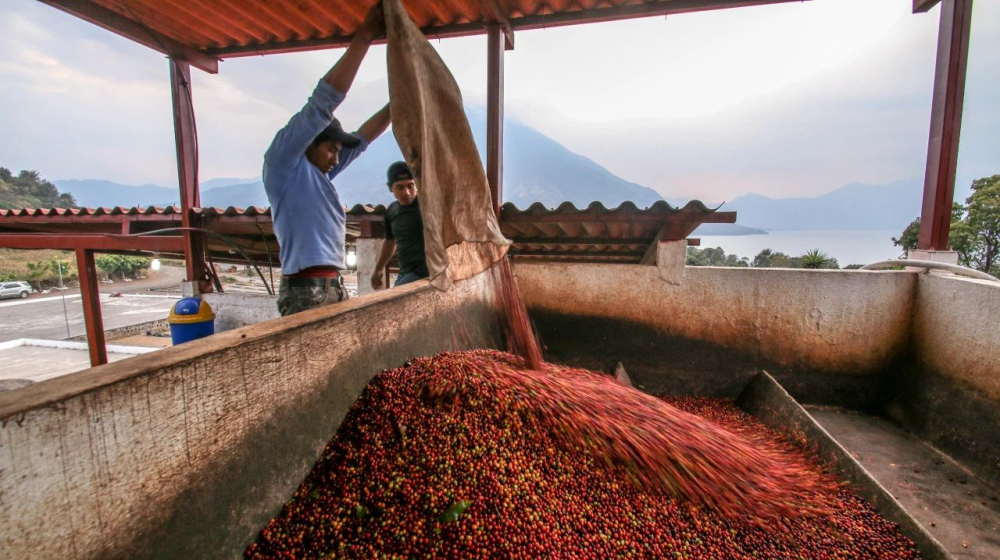
Most coffee-producing countries in the Americas primarily use the washed processing method—Colombia and Costa Rica are both examples—and Guatemala is no exception. After coffee beans are harvested, underdeveloped defective beans are first removed through flotation, then the skin and pulp of the coffee cherries are removed with a pulper, after which the fermentation stage begins. The purpose of fermentation is to separate the pectin from the beans through microbial action. The coffee beans remain in fermentation tanks for 16 to 36 hours, after which they are washed clean with large amounts of running water and finally sent to drying beds. Washed processing not only shortens drying time and reduces the rate of green bean defects, but also gives the coffee a cleaner, brighter acidity.
Highland Huehue, also known as Huehuetenango or Huehuetenango, is the region with the highest average altitude in Guatemala, reaching up to 2,000 meters, and is also one of the country's three non-volcanic producing regions.
The Huehuetenango highlands are located in Guatemala's driest, highest-altitude western non-volcanic zone. Because it lies at the active edge of tectonic plate boundaries, the mountain basins have highly variable terroir year-round, and the coffee flavors are especially rich. At the same time, dry hot winds from the Tehuantepec plain in Mexico blow into the area, making the region high in altitude but not cold, so even coffee trees planted at high elevations can avoid frost damage.
In addition, multiple streams interweave across the Huehue highlands, providing abundant water for the area, which can be used both for irrigation and for washed-processing stations. Coffee here is often described as having lively, intense acidity, a rich body, and refined red-wine notes. In his book Coffeeology, Mr. Han Huaizong even praised it as the best in Guatemala.
FrontStreet Coffee: Guatemala Huehuetenango Coffee Beans
Region: Huehuetenango
Altitude: 1,200–1,600 meters
Varieties: Caturra, Bourbon
Processing Method: Washed
Flavor: Berries, citrus, light floral aroma, soft fruit acidity, chocolate finish
The New Oriente producing region is located in eastern Guatemala, near neighboring Honduras, and is one of the country's poorest and most remote areas, so coffee cultivation started relatively late. Around the 1970s and 1980s, as coffee demand grew, mountain farmers gradually began to value and invest in production.
This area has abundant rainfall and relatively high humidity, so coffee trees do not need extra irrigation. New Oriente also had volcanic geology in the past, but the volcanoes are no longer active, and the volcanic ash soil has gradually evolved into metamorphic rock, so the coffee often carries distinct chocolate and smoky flavors. Anacafé often describes New Oriente coffee as balanced in taste, full in body, and with chocolate sweetness. Under growers' careful management and with the support of honey processing, one coffee on Front Street's bean list, Front Street Guatemala Geisha coffee beans from the New Oriente region, also displays refined flavors of sweet orange, bergamot, and toffee.
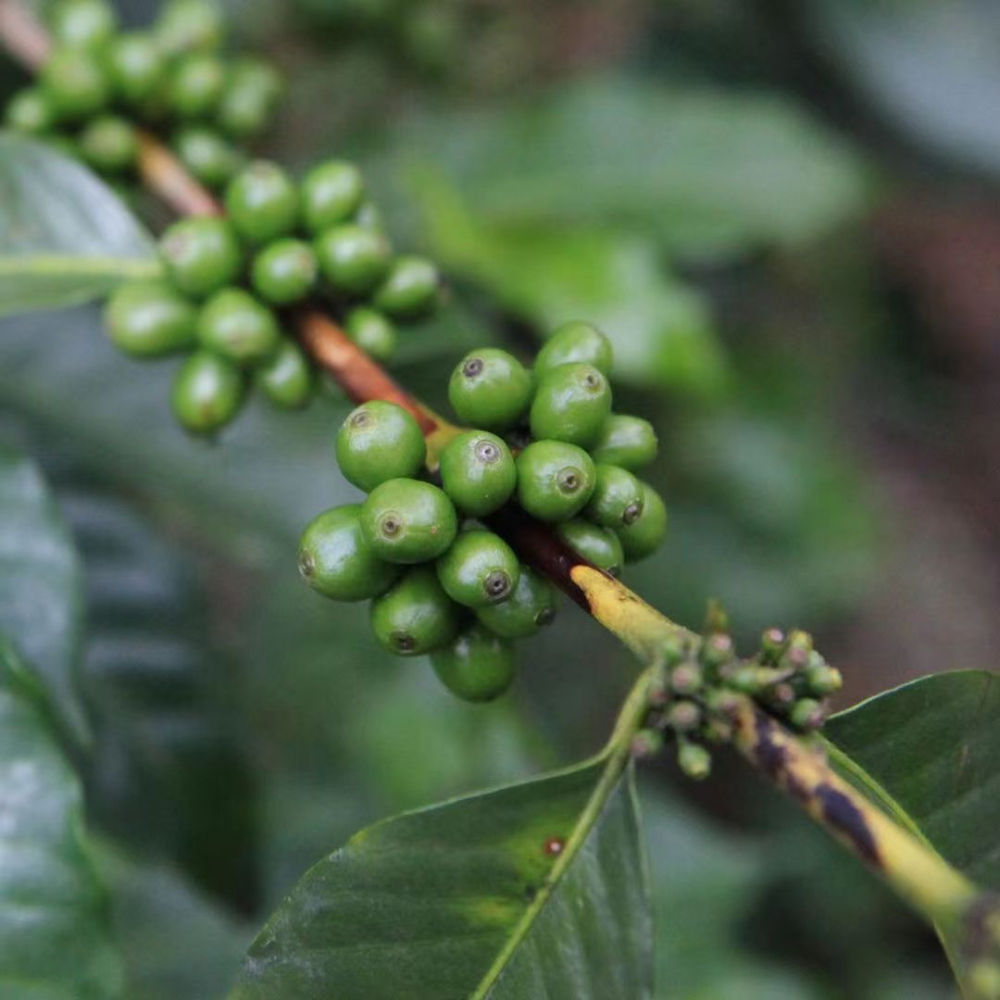
In the past, when people mentioned Guatemalan coffee, there did not seem to be many memorable points. Today, however, Guatemala itself has many unique microclimates, numerous native varieties, and in recent years, with the influence of various processing methods and improvements in growers' management levels, the country's coffee flavors are becoming increasingly diverse.
For professional coffee knowledge exchange and more coffee bean information, please follow Coffee Workshop (WeChat public account cafe_style)
For more specialty coffee beans, please add the private WeChat FrontStreet Coffee, WeChat ID: qjcoffeex
The above content is compiled by CoffeeHunters, a coffee news website.


