







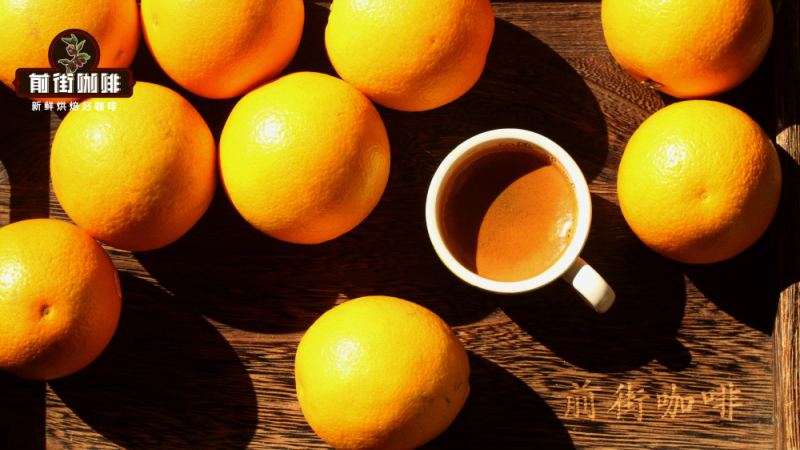
Espresso Aroma and How to Taste It Properly
Espresso aroma comes from a few sources. The green bean variety sets the base, roasting develops the volatile compounds, and the grind releases them. Freshly ground coffee exposes more surface area, so the smell peaks in the first minutes. Water pressure and temperature during extraction then pull those compounds into a concentrated, aromatic cup.
To taste espresso well, slow down. Smell the shot before sipping, then take a small amount and let it coat your tongue. Notice acidity, sweetness, and body in sequence. A short rest after extraction lets harsh carbon dioxide escape. Drinking water between shots resets your palate so each espresso reads more clearly.
Espresso, with its thick surface, golden crema, and intense, mellow sweetness, has become a favorite for countless coffee lovers. But do you know who this small shot of concentrated liquid is really suited for? Where does its enchanting aroma come from? This article will start from Espresso's three-layer structure—crema, body, and heart—to analyze its flavor composition and the principles of aroma release, and explain how to make a balanced, clearly sweet-finishing espresso around key aspects such as fresh roasting, bean resting time, and extraction parameters. At the same time, the article will also introduce Front Street Coffee's serving recommendations and classic blend beans, and provide practical steps for tasting espresso, helping you experience Espresso's aroma, mouthfeel, and aftertaste more professionally.
For more specialty coffee knowledge, please follow: Front Street Coffee (Frontsteet Coffee)
A golden, dense crema layer, a rich and full-bodied mouthfeel, and a strong, lasting sweetness—Espresso always conquers the palate in this highly impactful way. As the carbon dioxide in the crema gradually escapes, those alluring volatile aromatic substances also drift away with it. Ordering an Espresso at the bar is both a display of professional taste and seems like opening a door to a universe of rich coffee aroma. So, how exactly should espresso be tasted?
The composition of espresso
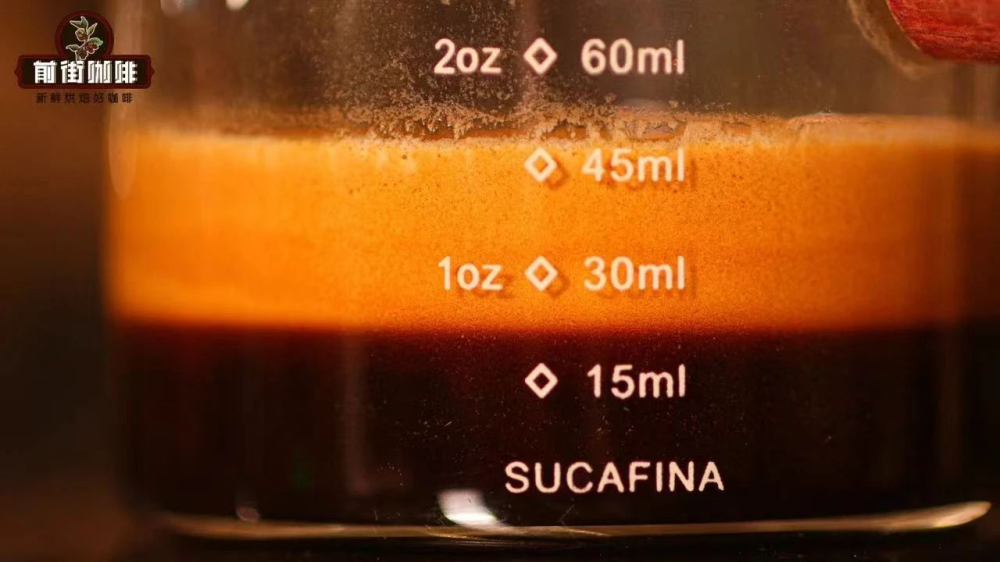
A standard Espresso can be broken down into three layers: crema, body, and heart.
The crema layer on the surface of Espresso is extracted after freshly roasted coffee beans are ground extremely fine and then brewed under pressure as high as 9 bar. When hot water penetrates the coffee puck, the carbon dioxide inside the coffee bed cannot escape normally due to the enormous pressure, and can only dissolve directly into the coffee liquid in a supersaturated state. At the same time, the high pressure also forces the oils originally locked in the coffee beans out of the puck, carrying them out together with the hot water.
Simply put, the essence of crema is the coffee's own oils being squeezed out by water under sealed, pressurized conditions after blending with carbon dioxide, ultimately forming a delicate, smooth oily foam layer.
The body of Espresso carries the fullest and most pleasant flavors and aromatic substances in the concentrated coffee. In this layer, you can capture the softer side of coffee. The so-called "softness" of a shot of espresso is actually the combined manifestation of tactile characteristics such as roundness, smoothness, viscosity, and fluidity that we perceive.
The heart of the espresso is located below the body and is almost deep black in color. This layer is dominated by bitterness, which exactly balances the sweetness and aroma of the two layers above.
How do you make a delicious espresso?
Front Street Coffee's view is that although an ideal Espresso is intensely flavored, it should not have a burnt bitterness. Its crema should be delicate and smooth, the overall mouthfeel rich and clean, and after swallowing, a clear sweetness should emerge.
As mentioned earlier, espresso crema cannot do without the participation of carbon dioxide. Only freshly roasted medium-dark roasted beans can provide sufficient carbon dioxide. As time passes after roasting, the internal structure of the coffee beans continues to change, and the amount of carbon dioxide stored within them also varies.
However, more carbon dioxide is not necessarily better. If there is too much, the crema of the espresso will become coarse, and it will also interfere with the normal release of soluble substances during extraction. Every coffee bean sold by Front Street Coffee is scheduled for shipment within five days after roasting is completed, ensuring 100% fresh roasting.
If what you have purchased is medium-dark roasted espresso beans, then you need one more step: resting the beans. Front Street Coffee's recommendation is: after receiving the espresso coffee beans, keep them sealed in the original packaging without opening it, and let them sit until the seventh day after the roast date before use. During this period, the coffee beans will release carbon dioxide on their own and discharge it through the one-way exhaust valve on the packaging. Moderate carbon dioxide release helps make subsequent extraction more stable.
How espresso is extracted
According to Specialty Coffee Association SCA standards, use 7-9 grams of coffee powder (14-18 grams for a double), extract 25-35 grams of coffee liquid within 20-30 seconds, control extraction pressure at 9-10 bar, and keep water temperature at 90-96°C. Of course, each coffee shop will adjust up or down according to the bean type and equipment used.
When producing drinks at Front Street Coffee stores, "Sunflower Warm Sun Blend Coffee Beans" are used, with 19.8 grams of extremely finely ground coffee powder, pressure-extracted to yield 38 grams of coffee liquid, with an extraction time of about 28-32 seconds. This espresso presents a smooth texture like vanilla cream, accompanied by subtle berry tartness and sweetness, fermented wine aroma, and the sweet, moist aroma of hazelnut caramel.
If you prefer rich, aromatic, and full-bodied coffee, Front Street's classic espresso blend is worth trying. This recipe is composed of beans from three origins: Brazil, Indonesia, and Vietnam. It uses deep roasting to maximize the coffee's rich aromatic foundation and also allows everyone to easily extract a thick, dense crema. Whether made into an Americano diluted with water or a latte paired with milk, it is quite suitable. It can be purchased at Front Street's Taobao store or Front Street's Tmall flagship store.
How to drink espresso
Espresso is not like pour-over, where you can distinguish different flavors at high, medium, and low temperatures—after all, a serving of espresso is only ten to twenty grams, and it is finished before it even cools. Moreover, espresso is a highly concentrated liquid quickly extracted from extremely finely ground coffee powder under high temperature and 9 bar pressure. Its taste is intense, and the stimulation to the taste buds in the mouth is more direct.
With the advancement of the specialty coffee wave, coffee bean quality and coffee serving standards have improved significantly in recent years. Nowadays, when people drink espresso, besides getting caffeine, they also have higher expectations for flavor. That kind of strong and bitter espresso has long been "outdated," and enthusiasts care more about the aroma, mouthfeel, and aftertaste of the cup.
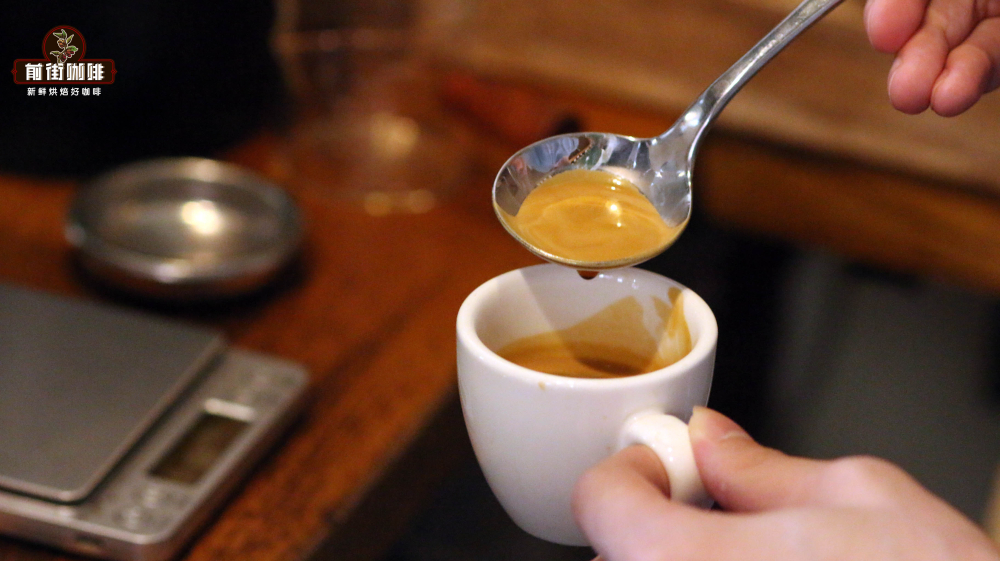
As long as the beans are of excellent quality, freshly roasted, and extracted reasonably, drinking espresso can absolutely be an ultimate enjoyment. Before tasting, first take a sip of ice water to cleanse the palate, while also slightly tightening the muscles on the surface of the tongue. After the barista serves the espresso, gently stir it with a spoon to make it uniform overall, then taste it in three sips: the first sip to capture the flavor, the second to experience the richness, and the third to feel the sweetness and aftertaste.
The above content is compiled by CoffeeHunters, a coffee news website.


