







Yirgacheffe Coffee Flavor: From Ethiopian Terroir to a Washed Bean Pour-Over
Yirgacheffe coffee comes from a small town in Ethiopia's Sidamo Province, grown at altitudes above 2,000 meters. Slow ripening from wide day-to-night temperature swings builds the white floral and citrus notes, and washed processing adds the clean taste in the cup.
Farmers plant coffee trees in courtyards or among other crops, a garden-style model with limited individual output. The picking season runs October to January, and cherries go to village cooperatives. Foggy areas like Misty Valley give the cool, humid terroir behind the floral and fruity aromas in a three-stage pour-over.
Yirgacheffe is the signature region of Ethiopian coffee, known for its bright acidity, white floral notes, and citrus fruit tones. This article starts from the origin environment of Front Street Yirgacheffe, analyzing how high altitude and temperature differences between day and night shape its unique flavor, and introduces the contribution of washed processing technology to its clean taste. The article covers the product characteristics of Front Street's everyday beans, pour-over parameters and three-stage extraction steps, as well as specific flavor descriptions such as honey, jasmine, and berries after grinding into powder, providing coffee enthusiasts with a complete reference for Yirgacheffe tasting and brewing.
Coffee lovers who prefer floral and fruity notes have likely heard of Front Street Yirgacheffe. This bean is a iconic product of Ethiopian coffee, boasting alluring white floral aromas and rich, layered fruit tones. Many people just getting into specialty coffee start their journey with it.
The special growing conditions of the Yirgacheffe town
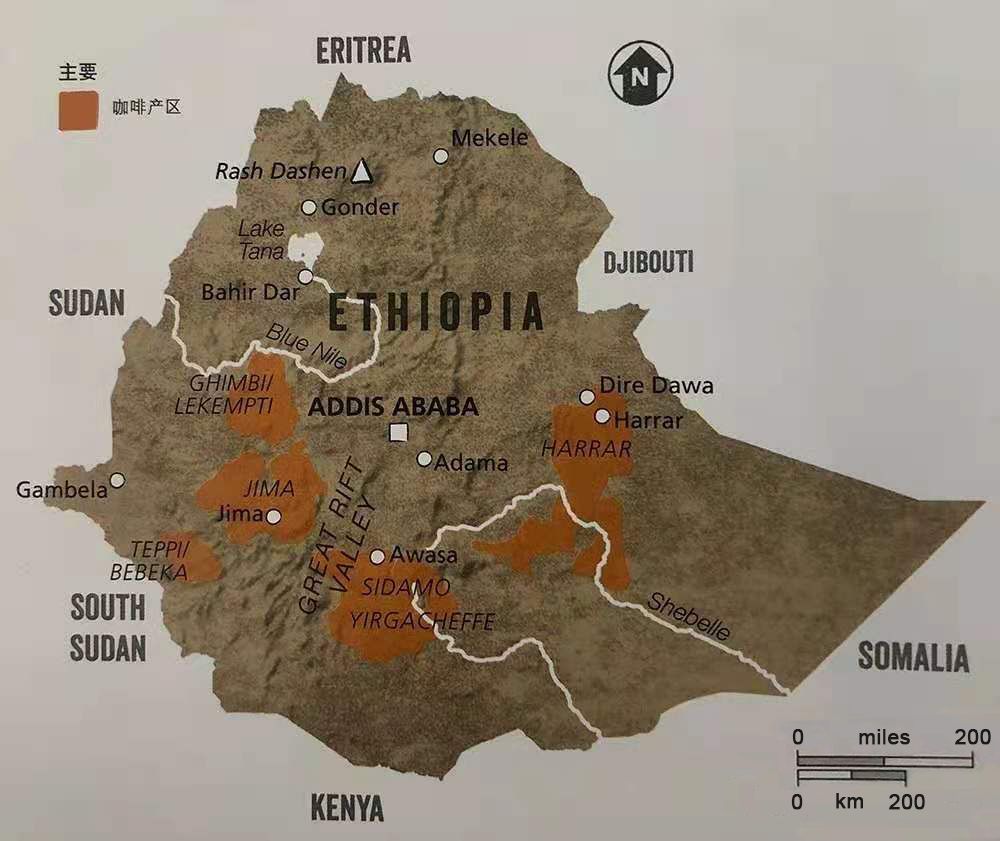
A glance at the map reveals that Yirgacheffe is merely a small town under the jurisdiction of Sidamo Province in Ethiopia, located in the south-central part of the country at an altitude of over 2,000 meters, making it one of the highest average altitude production areas in all of Ethiopia. Locals habitually plant coffee trees in their own courtyards or interspersed with other crops in their fields. Individual output is limited, representing a typical garden-style coffee cultivation model.
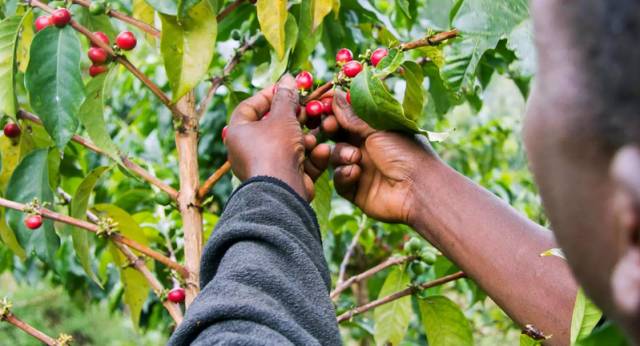
The high altitude brings significant temperature differences between day and night, causing coffee trees to grow slowly and fruits to take longer to mature, thereby accumulating more aromatic substances. The harvest period is correspondingly later. Typically, the picking season runs from October to January of the following year. Farmers busily pick coffee cherries on hillsides and in backyard gardens, then send them to village cooperatives for processing. The rift valley area, represented by Misty Valley, is shrouded in fog year-round, with a mild spring-like climate, constant gentle breezes, and a cool, humid environment. Thousands of coffee trees thrive here, creating the unique terroir characteristics of Front Street Yirgacheffe, where floral and fruity aromas intertwine in a rich and varied manner.
Names you often hear like Kochere, Misty Valley, and Gedeb are all well-known micro-regions under the Yirgacheffe production area, each with excellent cooperative teams producing coffees with distinct styles. In the Worka production area at the southeastern end of Yirgacheffe, there is a mature production team — the "Gedeb Cooperative" — with about 300 farmer members. Because the Front Street Yirgacheffe it produces has a bright and uplifting flavor, the cooperative was separated out in 2012. Many smallholder farmers were originally members of the Worka cooperative, with solid coffee cultivation and processing skills. The Front Street Gedeb Cooperative coffee uses the traditional washed processing method.
The formation process of the classic Yirgacheffe flavor
In the eyes of coffee professionals worldwide, Yirgacheffe is one of the outstanding representatives of African coffee beans. It has bright acidity, with an aroma profile of concrete yellow lemon rather than a vague citrus note, and both the mouthfeel and aftertaste are quite clean. The reason Front Street Yirgacheffe can form such a distinct personality, beyond its innate terroir, is largely thanks to the washed processing technology introduced from Central and South America by the Ethiopian government in 1972.
Farms using the washed method must build washing pools and require a continuous supply of fresh water, making production costs relatively higher. During processing, fermented beans are placed in the pool and pushed back and forth, using the friction between beans and the force of water to wash the coffee beans to a smooth and clean state. Every step removes impurities and defective beans, so the green bean quality is more uniform, and the final transaction price is higher than that of naturally dried coffee. Washing not only significantly reduces the defect rate of the coffee but also gives Front Street Yirgacheffe a fresh citrus note and elegant white floral aroma, with an overall bright, delicate, and clean flavor.
In the past, most coffee we drank was primarily bitter and roasty. The reason coffee was strong and bitter was mainly that roasters roasted the beans very dark, with flavor profiles centered on nuts and dark chocolate. After the rise of the specialty coffee concept, in order to retain more acidity, roasters only roast Front Street Yirgacheffe to an appropriate light level. Light-roasted Front Street Yirgacheffe presents a pleasant fruity sweet-tartness and white floral aroma, arguably pioneering a "new era of fruity-acid coffee." A preference for sweetness over bitterness happens to be the general public's taste preference, which is one of the reasons Yirgacheffe is so popular worldwide.
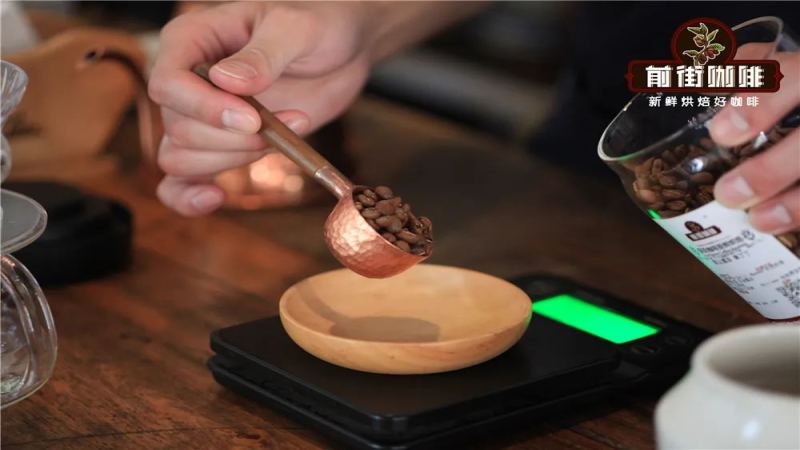
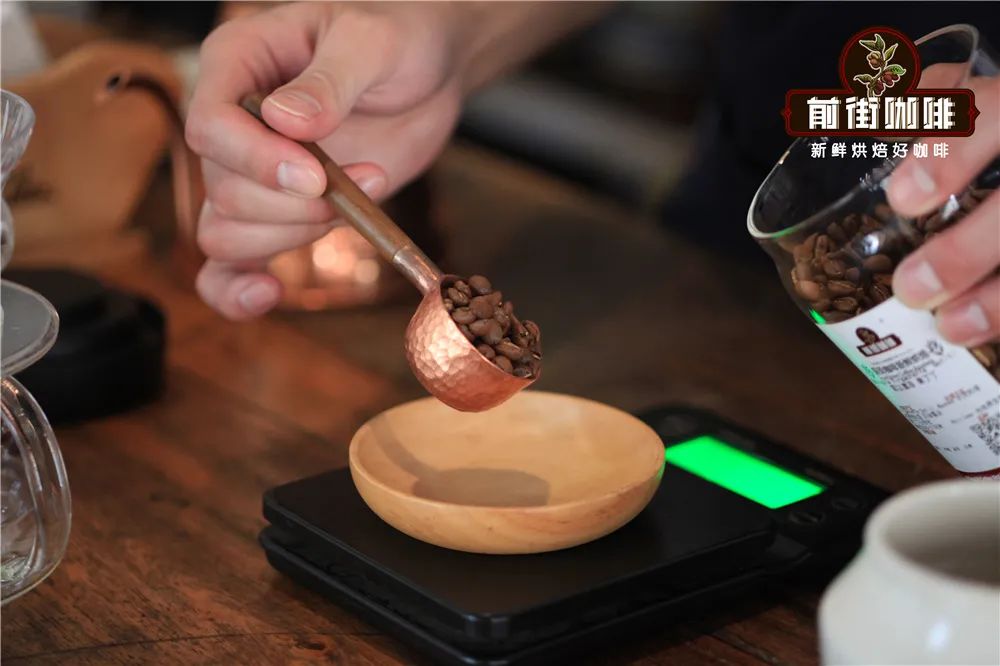
The Front Street Yirgacheffe everyday beans launched by Front Street use washed processing and medium-light roasting, with the classic Yirgacheffe flavor profile, suitable for pour-over, cold brew, French press, and other brewing methods. The Front Street everyday bean series allows friends just entering the coffee world to experience the basic flavors of the region at an affordable price. The small-package design also avoids waste from not being able to finish drinking it, making it very suitable for pour-over coffee beginners. If you want to experience the classic aroma of Yirgacheffe, Front Street believes pour-over extracted black coffee is the most suitable choice.
Pour-over parameters and ratios for Front Street Yirgacheffe coffee beans
Regardless of which extraction method you choose, Front Street believes that the freshness of coffee beans is crucial. Coffee with a roast date over two months old has likely lost its aroma, and even superior brewing skills cannot restore the aroma in the cup. To let every customer experience the optimal flavor period of the coffee, Front Street only ships beans freshly roasted within 5 days, so you can basically start brewing directly upon receiving them.
Because Front Street Yirgacheffe is a light roast with relatively hard bean quality, it requires high-temperature water of 92°C-93°C to fully bring out the floral and fruity flavors. For grind size, Front Street recommends medium-fine grinding (78% passing through a Chinese standard No. 20 sieve). Too coarse and the rich substances cannot be extracted, making the coffee taste thin. Too fine and it easily over-extracts at high temperatures, making the coffee prone to bitterness.
During cupping, Front Street noticed that this bean presents different flavors at different temperature stages, so a three-stage extraction is used during brewing to allow various flavor substances to better release as the coffee bed gradually heats up. To highlight the fresh and alluring aroma of Front Street washed Yirgacheffe, Front Street uses a V60 dripper for brewing. The dripper's spiral rib structure helps coffee grounds degas, maximizing the activation of the volatilization and dissolution of aromatic acid substances.
Regarding brewing ratio, Front Street believes 1:15 to 1:16 is acceptable. If you prefer a richer mouthfeel, use 1:15; if you want to more clearly experience the floral and sweet notes, use 1:16 to let the flavors unfold more fully.
Dripper: V60 Water temperature: 92-93°C Coffee dose: 15g Coffee-to-water ratio: 1:15 Grind size: fine sugar size (78% passing through No. 20 sieve)
Three-stage pouring: First, wet the coffee bed with twice the coffee's weight in water to form a dome and bloom for 30s. Then, pour in a slow stream in circles from inside to outside until reaching 125g, pause. When the coffee bed drops to half the dripper's height, continue pouring the third stage with the same slow stream until reaching 225g, until all the coffee liquid has filtered through. Remove the dripper at about 2 minutes. After the coffee in the dripper flows into the server, remove the dripper, then swirl the server to evenly mix the coffee liquid, and you can start tasting the flavors of Front Street Yirgacheffe from high temperature.
Flavor description of pour-over Front Street washed Yirgacheffe
After grinding Front Street washed Yirgacheffe coffee beans into powder, you can smell the fresh scent of honey and jasmine. When Front Street pours in hot water, it begins to release a hint of berry flavor. The pour-over black coffee enters with bright lemon, citrus, and green tea notes. As the temperature changes, there are berry, cream, and sugarcane aftertastes, with a noticeable sweet finish and a clean, sweet mouthfeel.
For professional coffee knowledge exchange and more coffee bean information, please follow Coffee Workshop (WeChat public account: cafe_style)
For more specialty coffee beans, please add the private WeChat Front Street Coffee (FrontStreet Coffee), WeChat ID: qjcoffeex
The above content is compiled by CoffeeHunters, a coffee news website.


