





Search Results for: 磨豆机

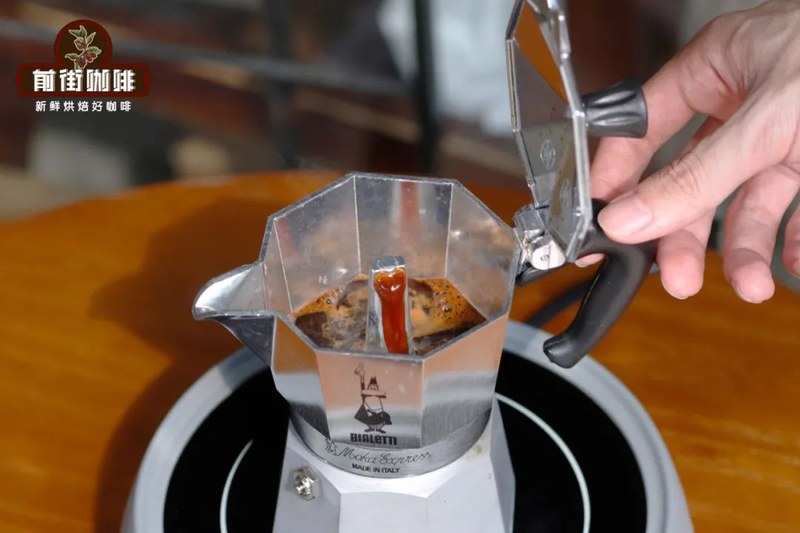
研磨度不对,手冲摩卡壶咖啡都发淡
两杯咖啡并排放着,左边那杯颜色浅得像红茶,右边这杯却是透亮的琥珀色。喝一口左边,水感重,风味散得像雾;右边那口一进去,焦糖、坚果全砸在舌头上。差别在哪?我换了台磨豆机,刻度还没摸准,研磨粗了整整2档。 [more…]
小白手冲咖啡淡,香气弱在三处细节
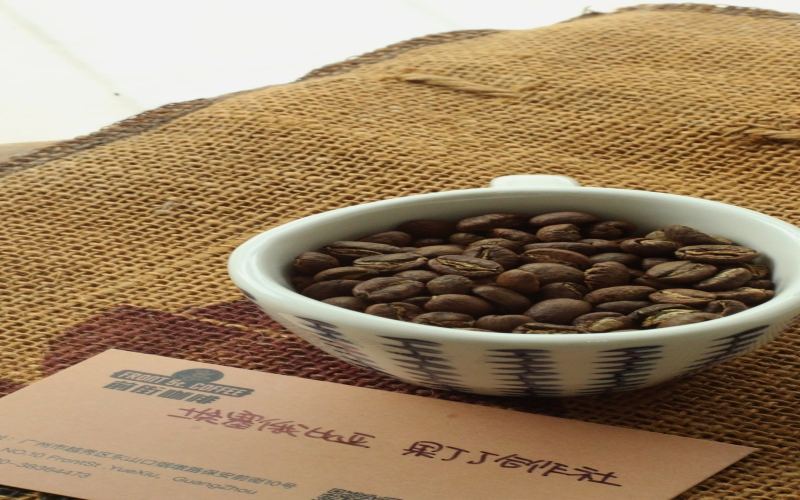
滤杯里的液体泛着浅琥珀色,闻起来只有一股闷闷的稻草气。我对着水槽发了会儿呆,明明步骤都对了,怎么就是一杯带颜色的水。后来才摸清,家里那台烧水壶降温太快,磨豆机刻度又偏粗,水哗啦哗啦漏下去,粉还没醒透就 [more…]
耶加雪菲:新手咖啡入门的清爽花香之选
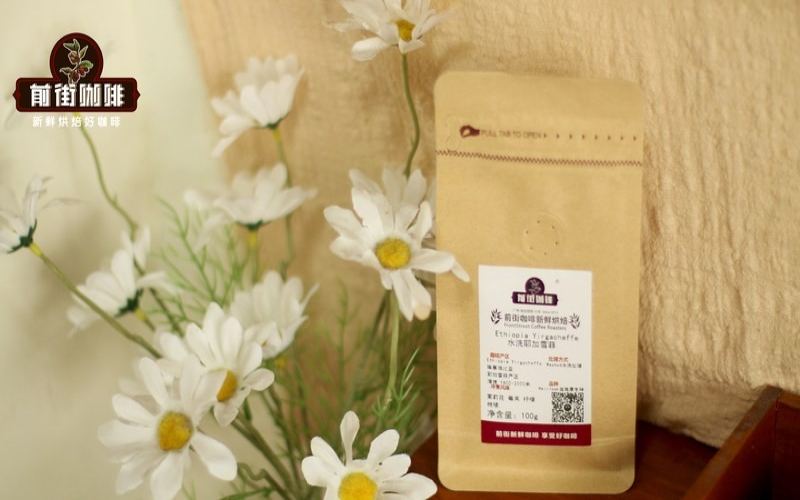
磨豆机嗡嗡响完,花香突然涌出来,站在旁边的朋友愣住,问我咖啡怎么会像刚剪过的草坪那样带着清甜。我递过杯子说,这就是耶加雪菲,埃塞俄比亚高地上长出来的豆子,很多老玩家回头想想,自己当初爱上黑咖啡,大概都 [more…]

Pour-Over Coffee Beginner's Guide: Master the Coffee-to-Water Ratio, Water Temperature, Grind Size, and Extraction Time to Say Goodbye to Bad Pour-Over
Pour-over coffee seems simple, but in fact hidden complexities abound. Many enthusiasts stand at the bar and admire the barista's fluid pouring motion, yet when they try it themselves, they can never brew a good cup. Actually, the problem may not lie in your hands, but in whether you truly understand the interconnected relationships among brewing parameters. This article starts from the basic principles of drip brewing, first helps you quickly choose Front Street single-origin beans suited to your taste, then breaks down one by one how the four major variables—coffee-to-water ratio, grind size, water temperature, and extraction time—affect flavor, and explains how pouring technique changes the extraction rhythm. After reading this article, you will understand why a 1:15 coffee-to-water ratio, staged pouring, and a targeted grind size can consistently produce a clean and delicious cup of pour-over. [more…]