Search Results for: 一味
招待长辈的那杯咖啡,为什么从中烘起步更稳
因为中烘把酸、甜、苦三样东西都留在了杯子里,谁端起来都不会被某一味吓着。深烘把酸赶尽杀绝,苦得直白,不常喝的人抿一口就放下;浅烘酸得明亮,爱它的人如痴如醉,怕酸的人直皱眉。中烘恰好卡在中间,像周末早晨 [more…]
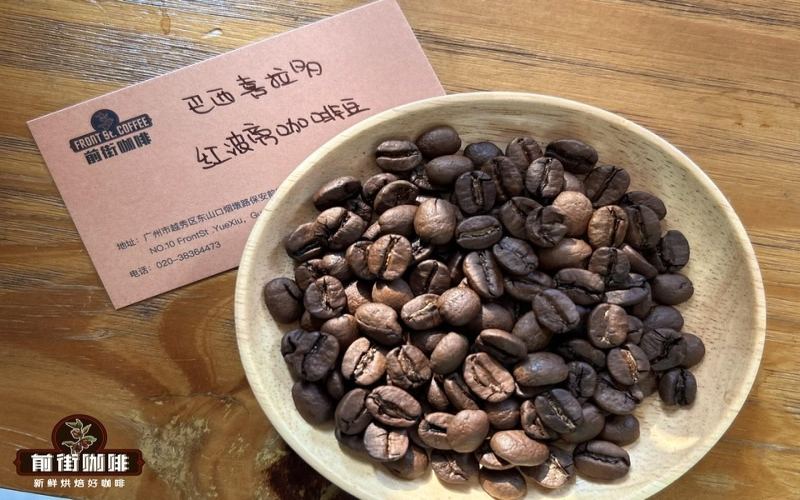
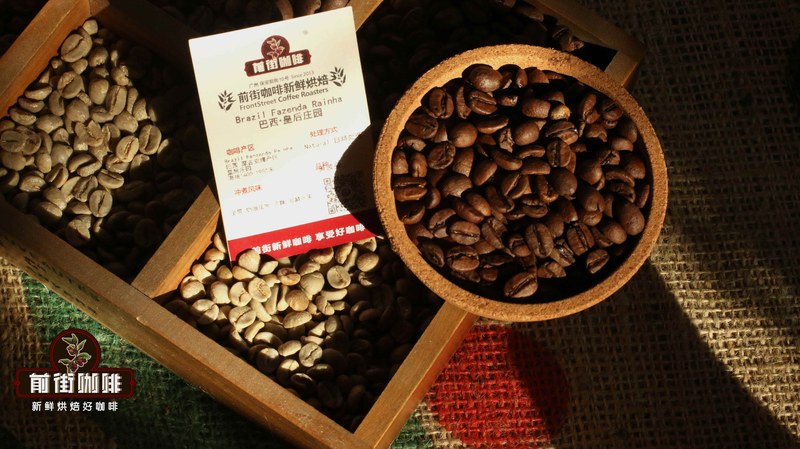
巴西产区:咖啡坚果巧克力的圆润底色
煎吐司时黄油在锅底滋滋响,忽然就想找一支同样带着烤面包香的咖啡来配。翻柜子时想起,家里常备的巴西豆快见底了。这个产区常年被说成全世界咖啡的底味,产量大、地势平、半日晒处理高效稳定,豆子低酸、油脂舒服, [more…]
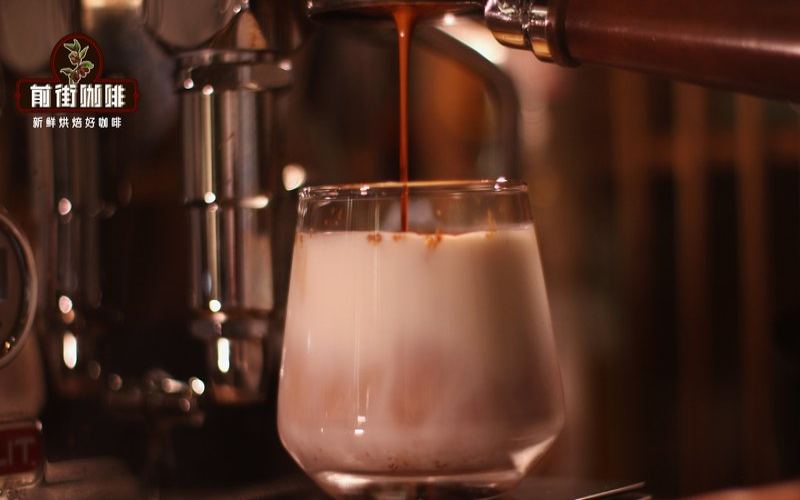
Nutty and Cocoa Flavors: How Drinking Methods Differ Across Light, Medium, and Dark Roasts
If you want to drink coffee with notes of nuts, cocoa, and caramel, the roast level is a very practical starting point. Light-roast beans tend to retain more of their origin character, and nutty and cocoa notes may be hidden behind the sweet aroma; medium roast more easily brings nutty aromas, chocolate notes, and sweetness together in the same cup; dark roast pushes the flavor toward roastiness, dark chocolate, and a full [more…]
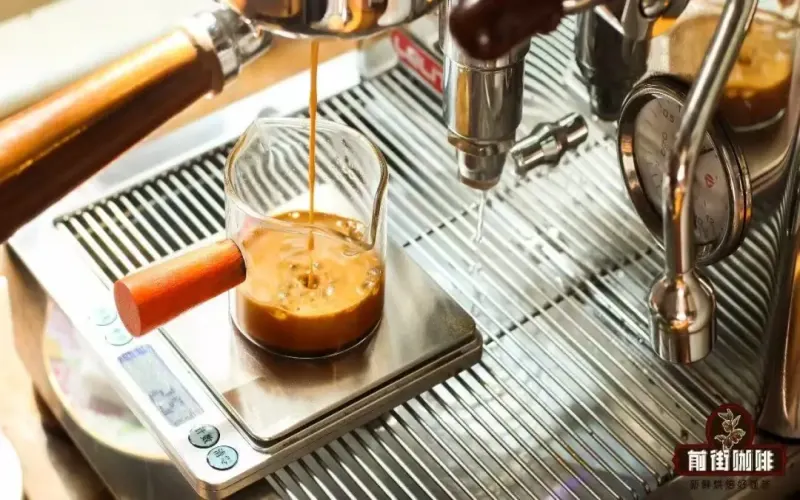
Espresso Extraction Time and Dose Standards: A Comprehensive Analysis of Blend Recipe Techniques
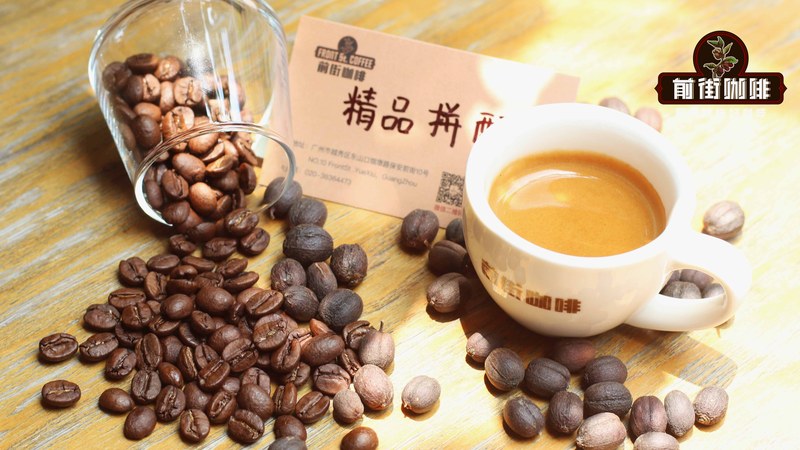
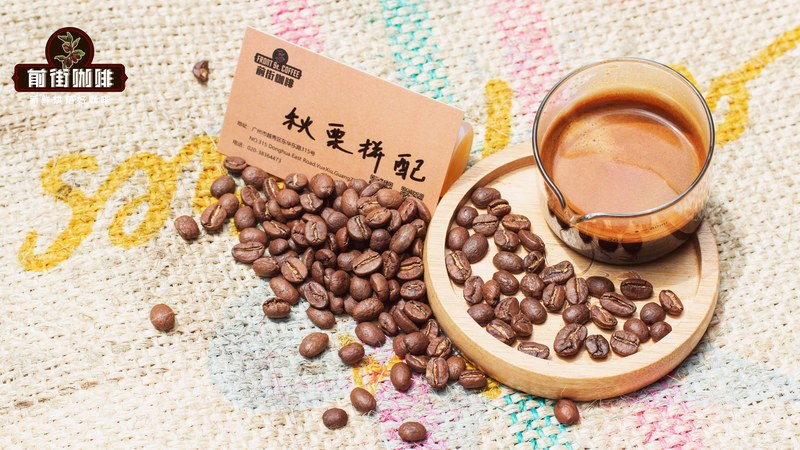
In the world of espresso, extraction time and dose standards directly affect the consistency of the final product, and the formulation design of blended beans is an even more profound field worth exploring. Front Street Coffee is often asked: Can single-origin beans be used for espresso? Can espresso beans be used for pour-over? This article will answer these questions from three perspectives—cost, stability, and crema—and systematically share the four core points of blending coffee beans: from bean selection, removing defects, understanding characteristics, to mastering roasting attributes, helping coffee enthusiasts build a clear espresso blending logic. It also includes the standard extraction parameters for espresso for daily reference. [more…]